Now THAT’S Italian!

An Italian renaissance has been underway in Vegas for well over a year.

What began with Esther’s Kitchen (the restaurant that doesn’t sound Italian, but is), has blossomed into a into a full blown tidal wave of authenticity — where competitors joust for prominence to allow the cream of this peninsula to rise from a sea of mediocrity. (For the uninitiated, “Being John Curtas” means being able to mix metaphors faster than shooting monkeys in a barrel.)

Seriously, though, take stock of all the fabulous Italians who have opened their doors since the beginning of 2018:

Esther’s Kitchen

Pizzeria Monzú

Eataly

Vetri

Masso Osteria closing at end of May. I have bananas that lasted longer than this place.
La Strega

Cipriani

Manzo (inside Eataly)

The Factory Kitchen

All of them pitched not to some lowest common American-Italian denominator, but seeking to replicate the clean, precise, ingredient-driven flavors of the homeland.

What is so fascinating for an old, Italo-phile like me is how true each of them is to their roots. Manzo echoes Tuscany with prime meat being grilled over an open flame; Cipriani carefully mimics the flavors of Venice, and La Strega is serving sardines fer chrissakes…way out in a neighborhood! Monzú may be the most crowd pleasing of the bunch, but its menu is a far cry from your basic chicken parm/pizza/pasta joint.

Vetri may be first among equals with its gorgeous setting and evocative, northern Italian pastas, but right behind it, at both a lower altitude and price point, is The Factory Kitchen — the restaurant with the best food and worst feng shui in town.

Before we get to all the great food, let’s get the feng shui issue out of the way.

To begin with, there is the name. Let’s be blunt: it is not a good name. It tells you nothing about the place, and sounds like the exact opposite of a finely-tuned restaurant.
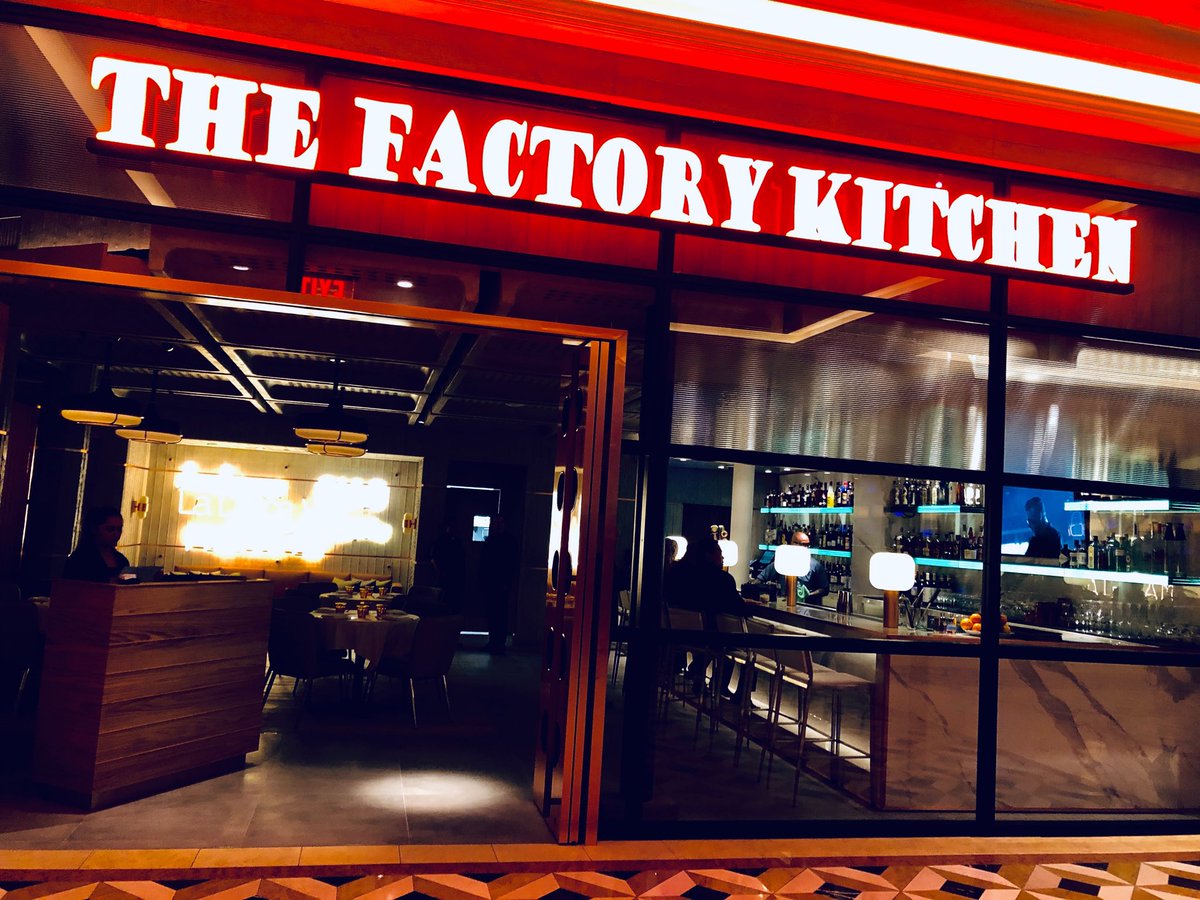
The words “The Factory Kitchen” are so aggressively anti-appetizing, one thinks at first that they must be some sort of ironic joke. They may have made sense in Los Angeles — as the original address — but what resonates among SoCal gastronauts holds no currency in Vegas. Here, meals need to be telegraphed to customers from a hundred yards away.

Let’s be frank: Vegas tourists are not the sorts to parse out vagaries of nomenclature when choosing a place to eat. If it doesn’t spell things out, they get scared and confused.

If the name isn’t bad enough, there is the decor. From the outside, you see a long, industrial-like wall separating diners from passers-by. If you approach from the Palazzo end of the hallway, you can’t even tell if it’s a restaurant. (From the opposite end, the open entrance, hostess stand and bar signal that food and drink are nigh.)

These are not minor quibbles. If the place doesn’t look like a restaurant and the name doesn’t sound like a restaurant, what message are you sending to people walking by? I get that they’re going for an informal/comfortable vibe, which breaks the chains of fine dining (or whatever nonsense restaurant consultants are selling these days), but I didn’t know “late 20th Century cafeteria” had become a design aesthetic.

The room you first see (part of the bar area) has only a few tables, but they’re the best in the house. Turn left, and you’ll see the main dining room (below) stretching all the way to an open kitchen on the opposite wall. This room has comfortable chairs, well-appointed (and spaced) tables, decent acoustics, and all the charm of a mess hall.

Image result for The Factory Kitchen Las Vegas

Fortunately, once the food appears, all these feng shui problems go poof!

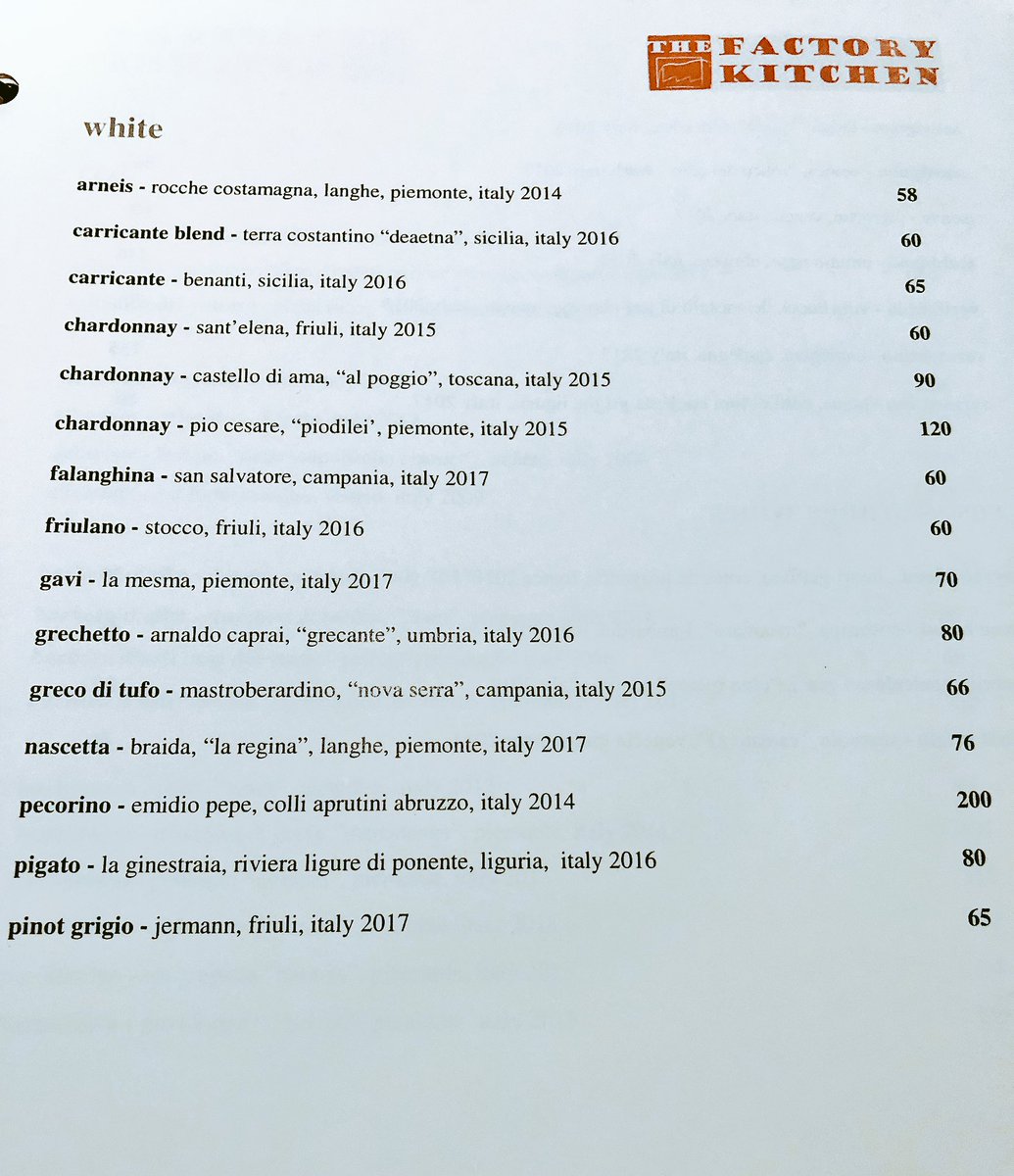
Your first sign of how serious TFK is about its food will come from the wine list — it being of manageable size and almost entirely Italian content. In an easy-to-read format, you will find well-chosen bottles priced to drink, not dazzle the rubes and soak the high rollers. Most are listed by grape varietals, with plenty of interesting bottles in the $50-$100 range. You won’t find any bargains, but neither will you need a proctologist after ordering from it.
The next thing you’ll notice is the olive oil. This is not the run-of-the-mill half-rancid  stuff put out by Italian restaurants everywhere. This is the real deal from Liguria — with herbaceousness to burn, and a soothing, back-of-the-throat peppery finish that lasts until next Tuesday. The soft white bread that comes with it is rather bland (just like in Italy), the better to serve as a carrier for all of those creamy-herbal notes coming from the oil.

While you’re lapping up all that awesome olive oil, you’ll then confront the menu — and a more pleasant confrontation you cannot imagine. Things you’ve never heard of (ortolana, peperú, sorentina, mandilli di seta) sit beside those you have (carpaccio, frittura, pappardelle, branzino) — all of them eye-popping in appearance and fork-dropping in taste.

Don’t despair if your Italian isn’t up to snuff. Everything is listed with complete descriptions in English. My guess is the affectation of giving each dish its native name is to inform diners up-front that they’re not Chicken Caesar Land anymore. (For that there are six other Italian options (whew!) in the Venetian/Palazzo.)

Over a dozen starters are offered, and they cover the Italian map from prosciutto to Sorrento. Pleasant surprises abound — such as the sweet and spicy, soft-cheese-stuffed peppers (peperú), or the tangle of bright, fresh field greens with watermelon radish and champagne vinaigrette (ortolana), or beer-battered leeks with chickpea fritters (frittura).

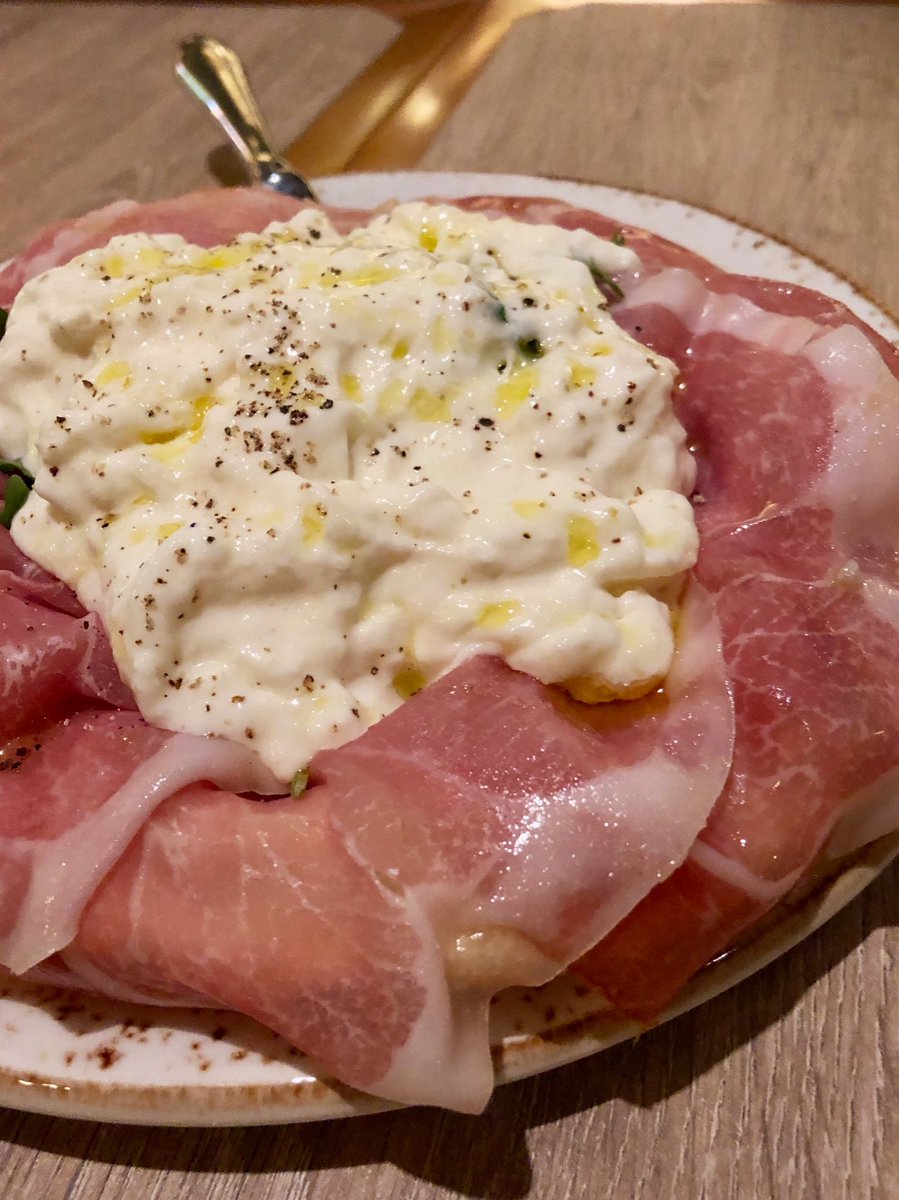
As good as they are, the two starters not to miss are the prosciutto and the “sorentina,” The prosciutto (at the top of the page) finds a flower of thin slices of sweet/salty ham sitting beneath a mound of stringy-creamy stracciatella cheese, speckled with pepper and drizzled with more of that insanely good oil. All of these sit atop crispy fried sage dough, making for a picture perfect amalgam of crunchy, creamy, salty and sweet.  The dish represents the sort of flavor/mouthfeel gymnastics Italian food pulls off effortlessly when the ingredients are right. Here, they are more than right. This is a dish not to be missed. It may be the most expensive antipasti ($25), but it also feeds four as an appetizer.
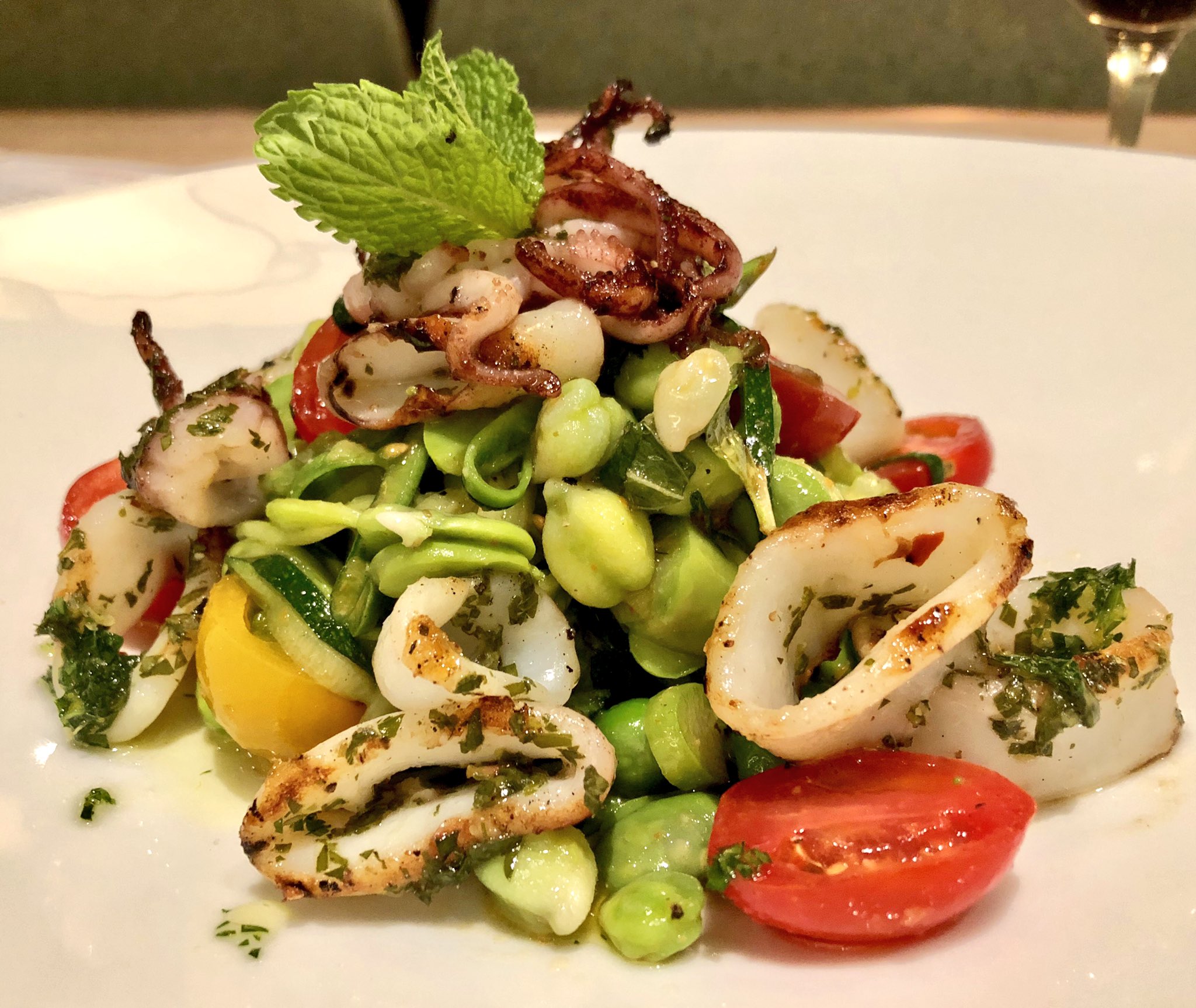
“Sorentina” (above) is chef Angelo Auriana’s homage to the seafood salads of the southern Italy — its grilled calamari, chickpeas and fava beans being enlivened with just the right spark of chili in the lightly-applied dressing. Good luck finding another salad (seafood or otherwise) where each individual element pops as much as these do.

Light and simple might be the way owner describes Matteo Fernandini describes this food, but I think he’s being coy. Most of the dishes sound more complicated than they appear, but there’s nothing particularly simple about plancha roasted octopus with garbanzo puree, roasted carrots and cotechino sausage. The trick is in using good groceries, and knowing how to balance flavors on the plate. Once you get to the pastas, you’ll realize how well Auriana and his on-site lieutenant Eduardo Pérez have mastered this craft.
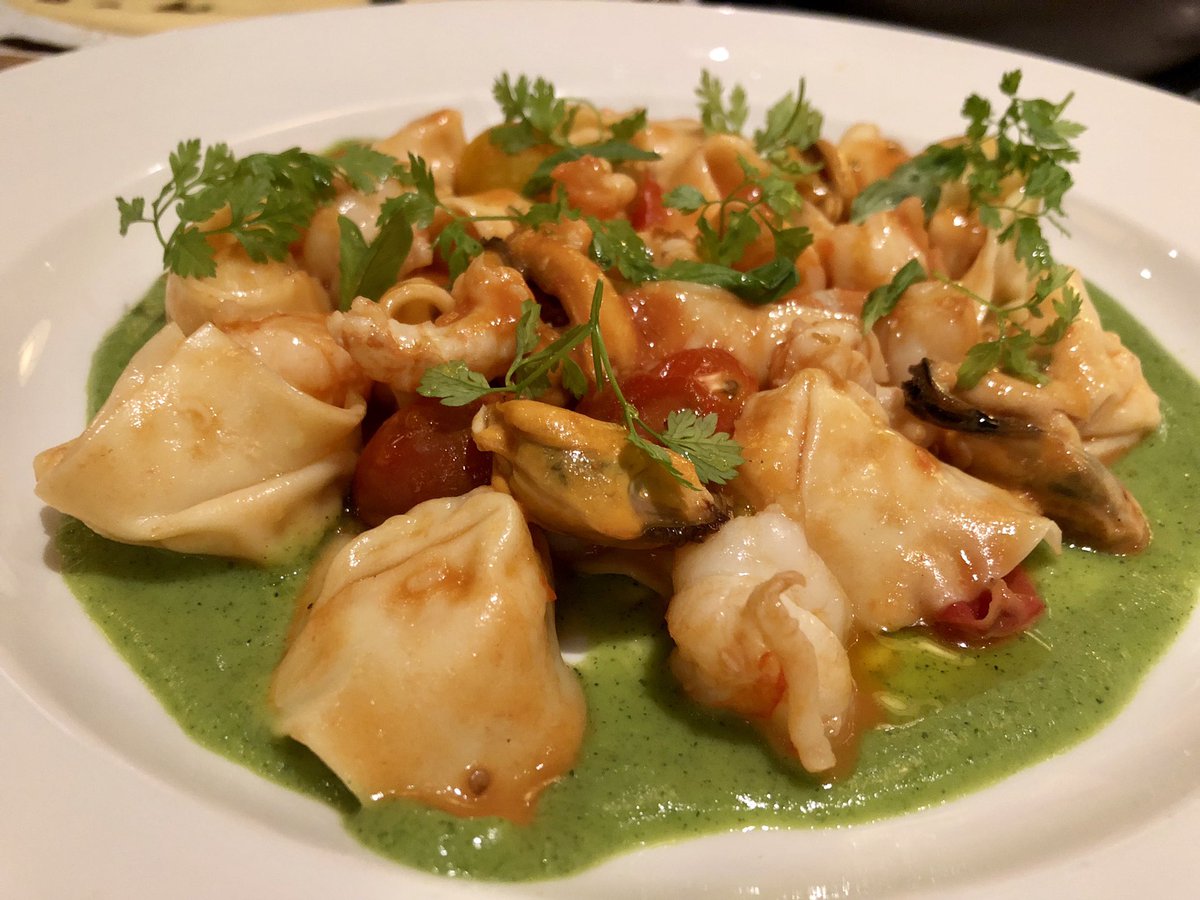
(Ravioli di pesce)

Pérez, is a man who knows his way around a noodle.  He held down the fort at Lupo in Mandalay Bay for years, and here, he hand-rolls (yes, he personally hand-rolls pasta with his staff and you can see him do it), a variety of fresh pasta every day — from black olive-speckled pappardelle to ravioli di pesce, to short rib agnolotti — and the results are so vivid they will make you question your previous pasta preferences.
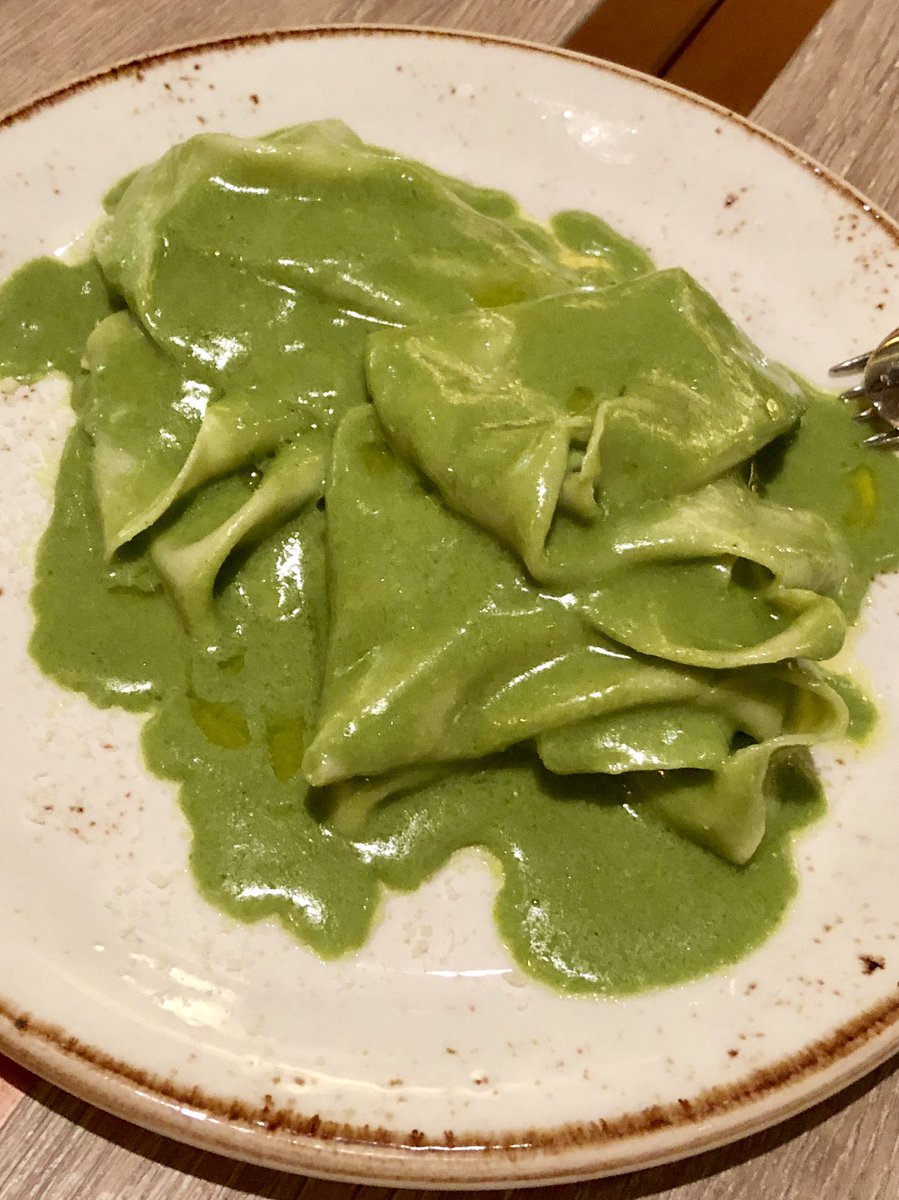
The signature “mandilli di seta” (handkerchief-flat noodles bathed in almond-basil pesto, above), will be a revelation to those who don’t while away their time on the Cinque Terre, and the seafood-filled ravioli are like pillow-y surprises straight from Naples. The point is: get as many of the pastas as you can stuff into your piehole. They are fairly-priced (between $21-$31), meant to be shared, and as fresh as Genovese basil.
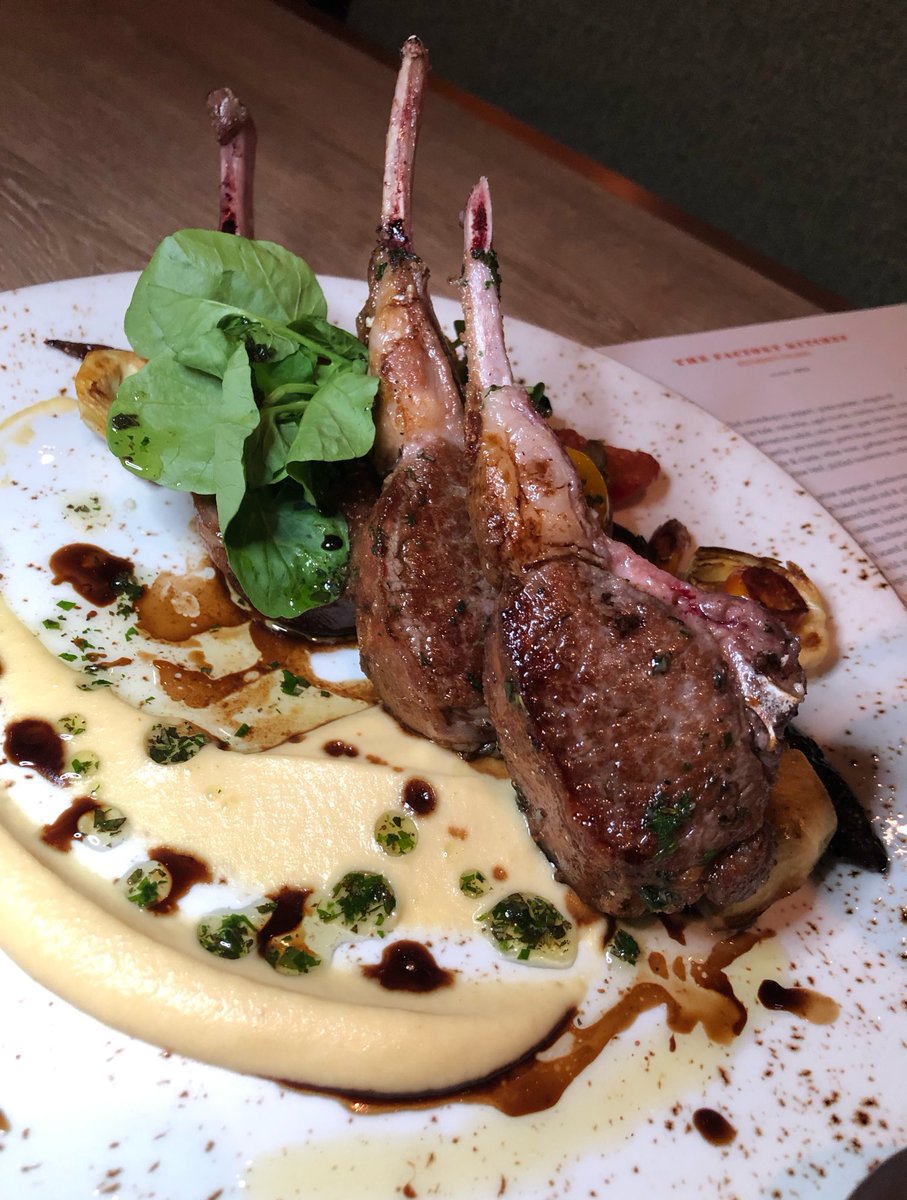
(Lamb chops with root veggie purée)
I wish I could tell you more about the secondi (main courses), but truth be told, we’ve run out of gas on all three visits after waltzing through the top two-thirds of the menu.  The only one we’ve had were the lamb chops, and they were superb. No doubt they treat their branzino right; and the 16 oz. boneless rib eye looked interesting (as did the grilled veal). But if you want the scallops or New Zealand fish, there’s nothing I can do for you.

TFK aims to take you on a culinary tour of Italy, in a streamlined, easily digestible fashion. It has neither the pedigree of Cipriani nor the ambition of Vetri, but what it does it does well, at a friendly price point, with recipes that will open your eyes to the possibilities of real Italian food.

Ignore the name and the decor and dive in.  And get the cannolis for dessert. They’re fantastic.
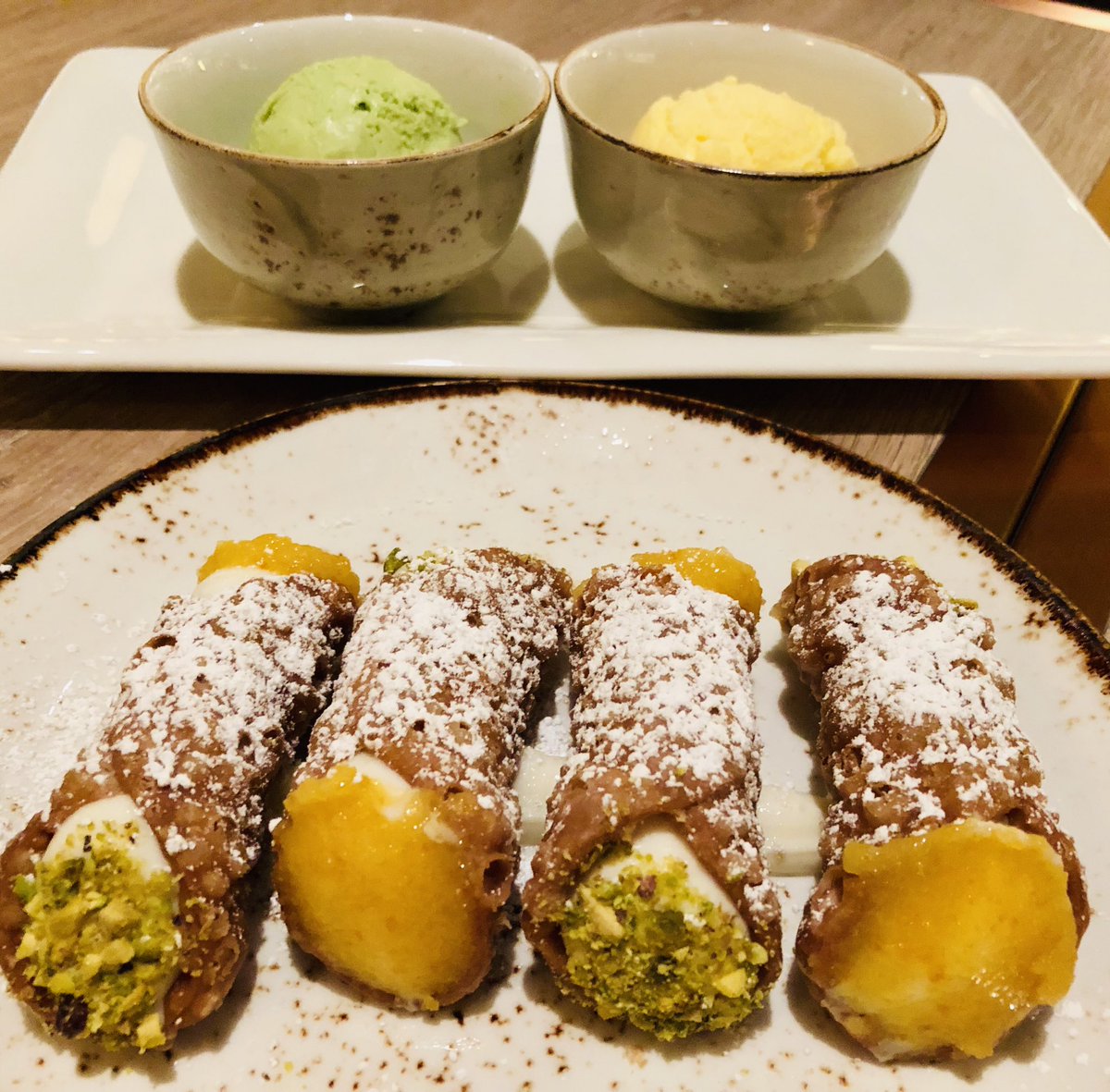
 

(Everything on the menu is meant to be shared, with salads and apps running $10-$25; most pastas in the mid-20s; and big proteins $30-$50.
Dinner for two sharing three courses will run around $100 – much more if you go nuts like we do. One of our three visits here was comped.)

THE FACTORY KITCHEN

Venetian Hotel and Casino

3355 Las Vegas Blvd. South

Las Vegas, NV 89109

702.414.1222
 

A Tale of Two Fishes

The critic’s job is to educate, not pander to the lowest common denominator.

I got into food writing to be a consumer advocate. It wasn’t to brag about my culinary adventures, or create a diary of my gastronomic life with pictures of every meal. I wasn’t interested in imposing my standards or condescending to those who didn’t measure up. As big a snob as I am (have become?), it wasn’t elitism that motivated me.

As a product of the 60s and 70s, I’ve always looked at consumer advocacy as a noble calling. As a serious restaurant-goer, I started thinking 30 years ago about a way to turn my obsession into something worthwhile for my fellow food lovers. (This was a good fifteen years before anyone used the term “foodie.”)

To put it simply, I wanted to use my experience and share my knowledge with others about where to find the “good stuff.” Still do.

In these days of Yelp, Instagram “influencers” and food blogging braggarts, it’s easy to forget the original reason behind restaurant reviewing; the raison d’être being simply to start a conversation about where best to spend your dining-out dollars.

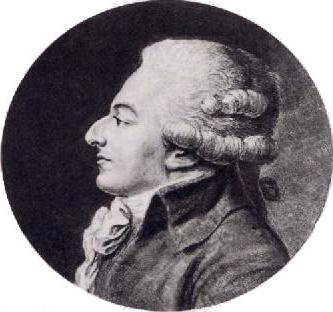
Image result for grimod de la reynière


Without boring you with a history lesson, the first acknowledged “restaurant reviewer” was a fellow named Alexandre Balthazar Laurent Grimod de la Reynière  (pictured above, usually abbreviated to Grimod de la Reynière or simply “Grimod”) — a rather weird chap* who compiled a list of restaurants in Napoleonic Paris, to help its burgeoning middle-class choose a place to dine, at a time when eating out in restaurants was first becoming the popular thing to do.

Grimod was also one of the first to popularize the terms “gourmet” and “gourmand.” He introduced the idea of food criticism as something that “reestablished order, hierarchy, and distinctions in the realm of good taste” through the publication of texts that helped define the French food scene, back when it was the only food scene worth defining.

(Grimod ate here…at Le Grand Véfour, in Paris, in 1803)
Put another way, Grimod pretty much invented the gastronomic guidebook. While hardly a saint, he is nevertheless the spiritual patron saint of restaurant critics — the person who first influenced the tastes and expectations of restaurant consumers, and inserted a third party between the chef and the diner.

I thought about all of this when I had two meals recently: one great and one horrid, at two ends of our restaurant spectrum.

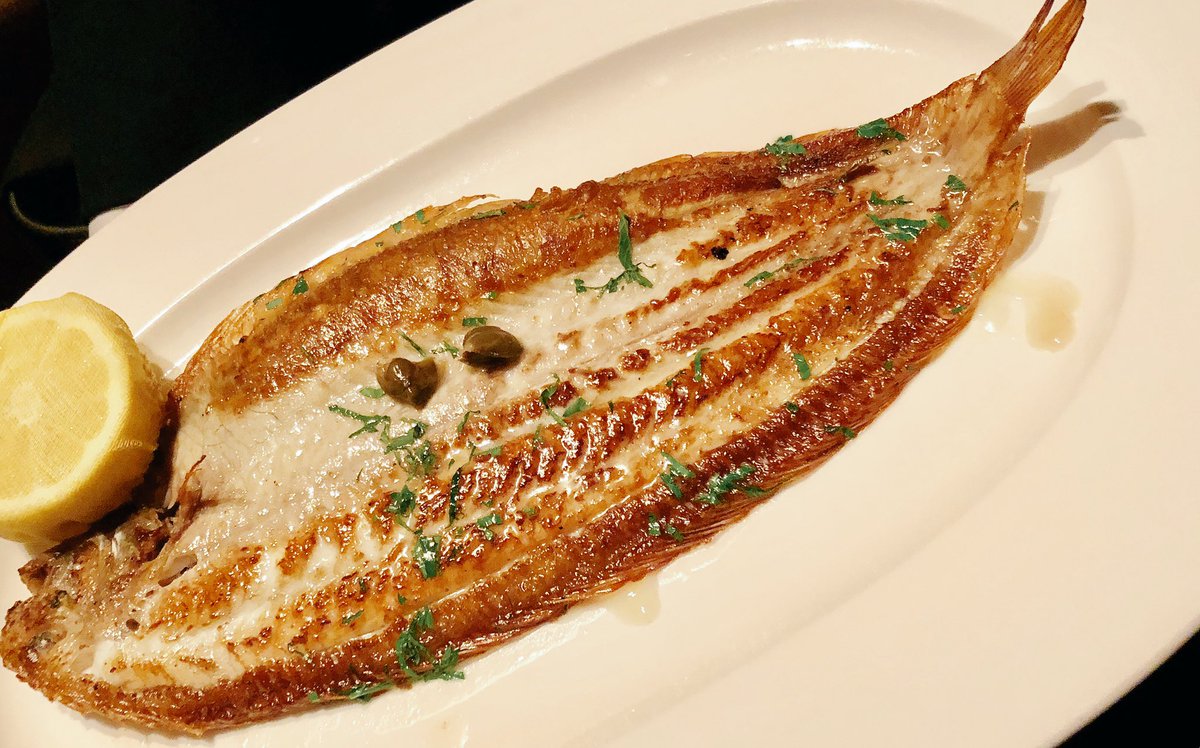
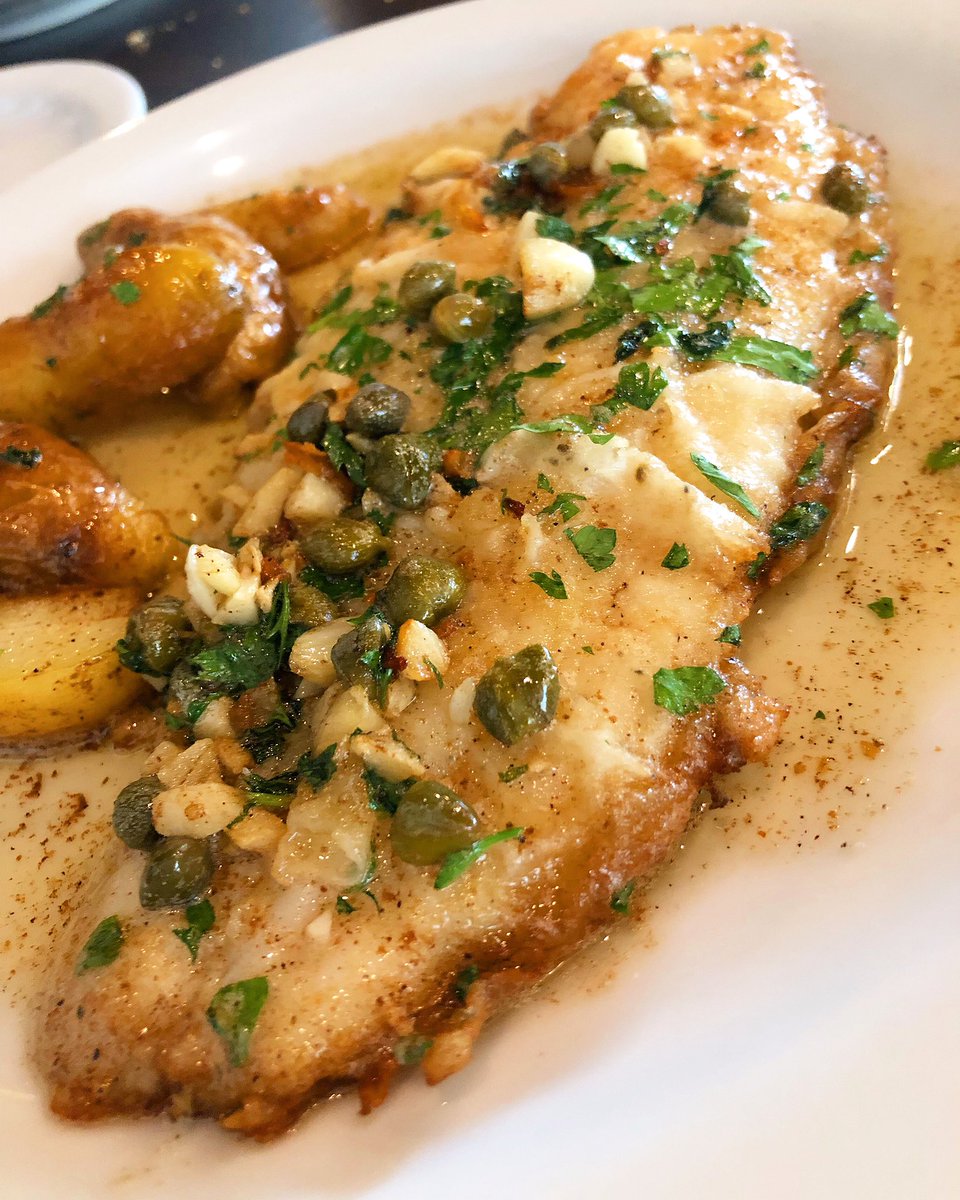
The centerpiece of each meal was a piece of fish. A flat fish to be precise. To my surprise, the frozen Asian “sole” (at the top of the page) was the more satisfying of the two. The “fresh” Dover (or so it was called) sole was horrendous. A stale, fishy, musty-mushy abomination of seafood that only a landlubber sucker could love.

The frozen Asian fish cost $26. The “Dover” sole, $70.

The better fish dish was the culmination of a great meal at a relatively unsung neighborhood restaurant — Oh La La French Bistro. Its counter-part ended what was supposed to be a big deal meal at an “exclusive” Strip restaurant helmed by celebrity chef Michael Symon. (In reality, it’s a branding/management deal using the Symon name. The hotel owns and runs the restaurant.)

Before we address the failure of that fish, let us first sing the praises of Oh La La. Tucked into a corner of a strip mall smack in the middle of Summerlin, Richard Terzaghi’s ode to casual French cooking is a gem among the zircons of west Lake Mead Boulevard.

My contempt for Summerlin is well-known (it being the land of million dollar homes and ten cent taste buds), but there’s no disdain for the faithful French recreations put out by Terzaghi, at lunch and dinner, at very fair prices.

(Straight from Paris to Summerlin)

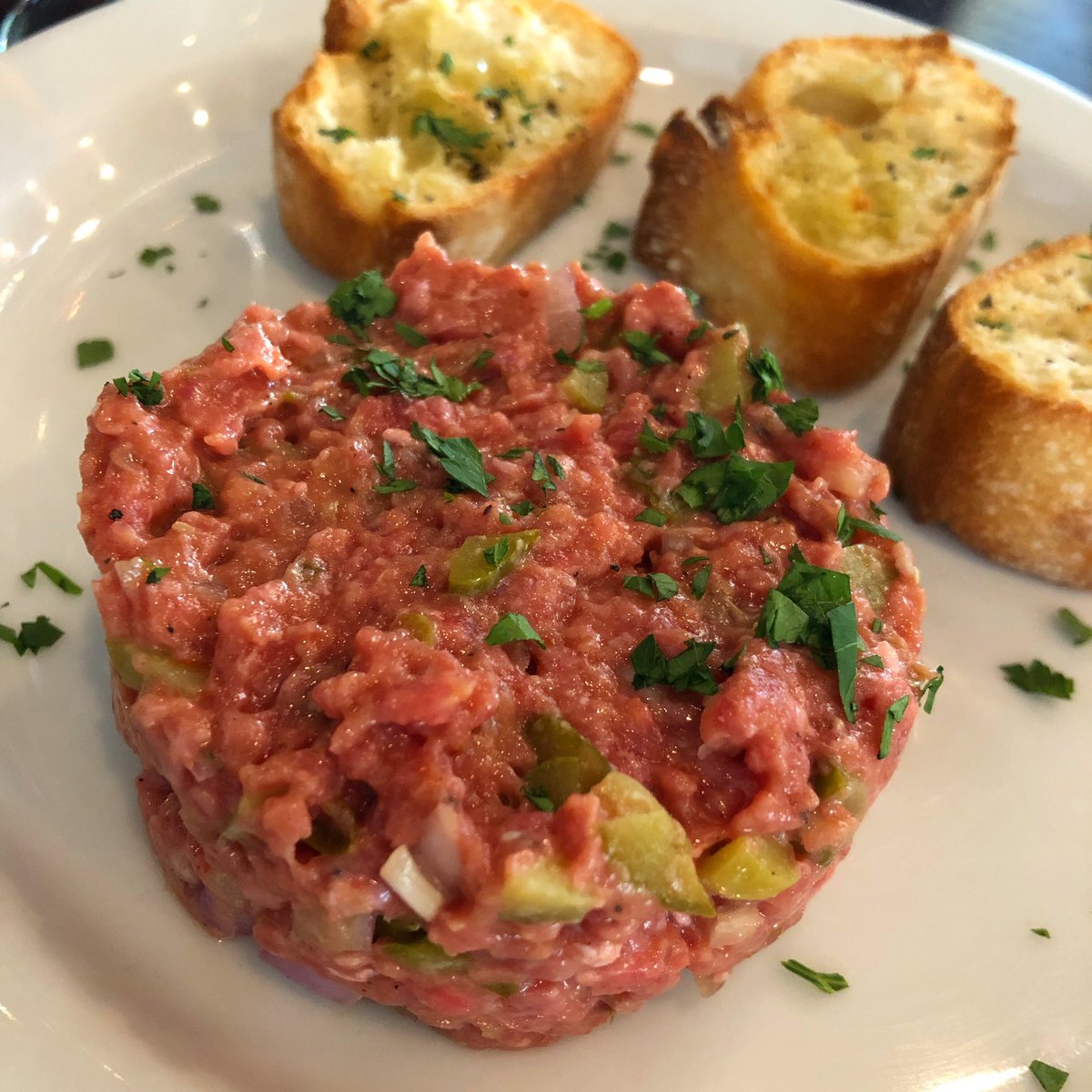
At Oh La La the service is always fast and friendly, the wine list simple, pure and approachable. The bread is good, the foie gras terrine even better. OLL might also have the best steak tartare (above) in town — its combo of gherkins, mustard and onions hits a flavor profile that takes me straight back to Le Train Bleu in the Gare Lyon.

Winners abound all over its menu: frisee salad “La Lyonnaise”, escargot, prawns “risotto” with Israeli couscous, steak frites, mussels, endive salad, great French fries and simple, satisfying desserts, all of them faithful to the homeland without a lot of fuss. And whenever they post a special — be it a seasonal soup or a lamb stew — I always get it and I’m never disappointed.

Contrast this to the “secret” hideaway that is Sara’s — a “curated dining experience” in a “luxurious secret room” where we were told more than once you had to make reservations weeks in advance. The entrance to it is behind a semi-hidden door at the end of the bar at Mabel’s BBQ.  I have no idea where all that “luxurious” curation occurs, but from my vantage point, it looked no fancier than a run-of-the-mill steakhouse. As for the meal being “curated” all I can say is, at this point in my life, when I hear words like that, I start looking for the Vaseline.

(Pro tip: Rather than buy into all the faux exclusivity, skip the secrecy and stay in Mabel’s for some smoked ribs. Your wallet will be heavier, and your tummy a lot happier.)

(Squint real hard and you’ll see the brown butter. Counting the capers is easy.)

The shittiness of the fish wouldn’t have bothered me so much if the rest of the meal at Sara’s had been up to snuff. But the menu was nothing more than one over-priced cliché after the other (caviar, “Truffle Fried Chicken”, lobster salad, duck fat fries, crispy Brussels sprouts, etc.) at least half of which wouldn’t pass muster at the Wynn buffet.

Truffles were MIA in the rudimentary fried chicken, the forlorn caviar presentation looked like it came from a restaurants 101 handbook, and the rubbery lobster salad tasted like it had been tossed with sawdust.

Memories are also vivid of gummy pasta with all the panache of wallpaper paste, and some heavily-breaded, by-the-numbers escargot.

That the joint considers it groovy (or oh-so celeb cheffy) to begin your meal with a giant crispy, smoked beef rib (as an appetizer no less) is also a testament to the “if it’s good for the ‘gram, it’s all good” mentality of this place. Appearances being everything these days, you know.

But when the fish hit the table, I hit the bricks. It may appear appetizing, but looks can be deceiving. It was bred for beauty not substance (that appearance thing again), and calling it simply “fishy” would be an understatement. It was either stale or freezer-burned (or both), and came with zero brown butter and exactly two capers atop it. It wasn’t overcooked but it should have been — a little more heat might’ve killed some of the smell. All this and less for $70…at a supposed “upscale, exclusive” dining enclave in the Palms.

“Who are they fooling with this shit,” was all I could think to myself.

After three straight awful dishes, I had had enough. “This place is terrible!”, I bellowed to all within earshot. I then threw my napkin down, and stormed out — the first time in this century I’ve done so. Being a keen observer of human nature, the solicitous manager sensed my displeasure and followed me outside. He couldn’t have been nicer or more professional, but the damage was done.

What ensued was a polite conversation best summarized thusly:

Me: Does anyone here actually taste this food, or are you just content to rip off tourists who’ll buy anything?

Him: Thank you for your concerns, sir, I’ll pass them along to the kitchen.

At first, I agonized about how to handle this abysmal experience: Give them another try? Rip them a new one on social media? Forget about it altogether?

Then, I remembered why I got into this business. It was for you, dear reader. To help you eat better, spend wiser, blow the trumpet for good places and expose the bad.

Just like good old Grimod.

For twenty-five years I have maintained a personal code that excludes the little guy from my withering gaze — but treats the big boys on the Strip as fair game.

Sara’s is fair game.

You have been warned.

(My meal at Oh La La was comped but we left a huge tip. A foodie friend picked up the tab (whatever it was) at Sara’s.)

OH LA LA FRENCH BISTRO

2120 N. Rampart Blvd. #150

Las Vegas, NV 89128

702.222.3522

https://www.ohlalafrenchbistro.com/

SARA’S

Palms Hotel – Inside Mabel’s BBQ

702.944.5941

https://web.palms.com/saras.html

<<<<<<<<>>>>>>>

* Grimod once faked his own death and threw a funeral party for himself to see who would show up. On another occasion, he dressed up a dead pig as a person and sat it at the head of a table at a fancy banquet he was throwing. His used a mechanical prosthesis to eat and write because, depending upon who you believe, he was either born with deformed hands or (as he liked to explain), pigs chewed off his fingers as a young child.

(The world’s first restaurant guide)


Drinking Pink – The Key to Chiaretto

(Al fresco dining and rosé wines are a match made in heaven aka Italy)
Ed. Note: I’ve been traveling a lot to Italy lately, and swimming in a lot of Italian wines. One revelation has been Italian rosés — which are some of the best bargains around when you want to rosé all day. So follow along below if you’d like to learn something about these surprisingly satisfying summer sippers — wines supremely suited to a sizzling Vegas summer.

 A primer on the wines of the Veneto

Image result for Veneto wine map

If there’s a wine region of Italy that can be said to be unsung, it is probably the Veneto.

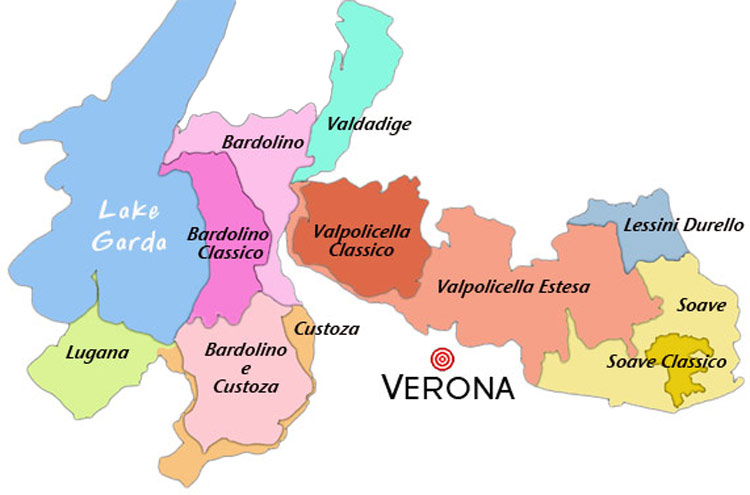
Stretching from Lake Garda in northwestern Italy, to the shores of the Adriatic sea,  this area has long been famous for producing oceans of supermarket Soave and light, gulp-able versions of its slightly weightier red cousins, Bardolino and Valpolicella. Both of the latter are made primarily from the Corvina grape, with various amounts of Rondinella and Molinara tossed in for fragrance or body.

But aside from the region’s most venerated wine: the muscular Amarone (itself something of a late 20th Century phenomenon), these wines have never garnered the respect doled out to varietals in Tuscany or the Piemonte. In many ways, they were victims of the region’s success with its lighter wines — so much mass-produced Soave and red Valpolicella was sold in the 1970s and 1980s, they became generic brands unto themselves, and the better versions of these wines got lost in the flood.

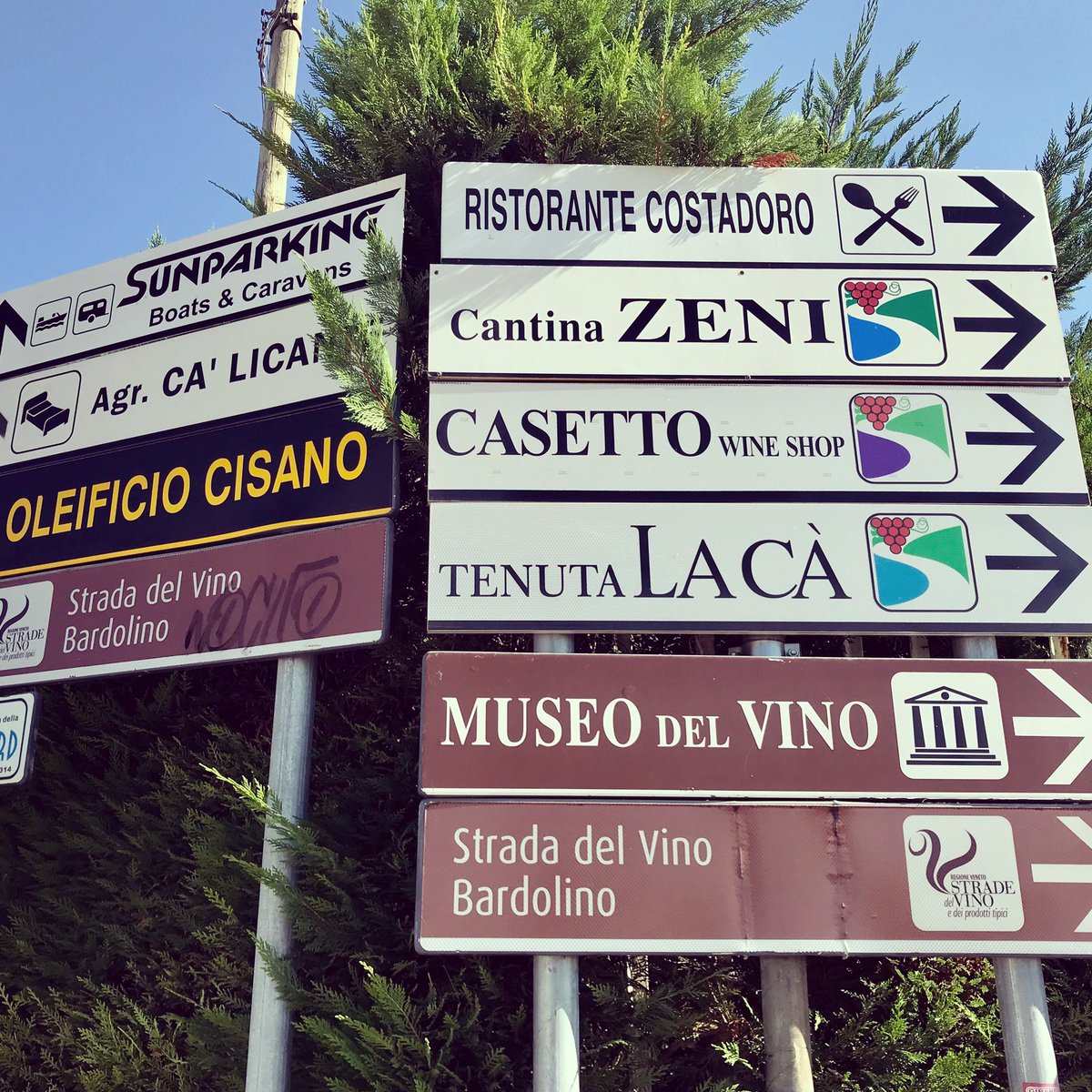
Which is a shame, since a tour of the region recently showed us how much variety there is in a place long overdue to take a bow for what it produces for the world to drink. This trip was not about the much-maligned Soave (or the ever popular Pinot Grigio, also made in the Veneto), but rather, it was concerned with Corvina — the grape that is the backbone of all the region’s reds and blush wines. Our travels took us from the town of Bardolino, along the coast of Lake Garda, and then to wineries in both the Bardolino and Valpolicella — wine countries, where the DOC (Denominazione di Origine Controllata) designation has been granted (not without controversy) to wines ranging from the palest pink to the thickest, most mouth-coating red.

The smokey, thick-skinned Corvina grape makes everything from those unctuous Amarone to light and refreshing Chiaretto (key-ar-et-toh). In between there are the crisp, cherry-bright Bardolinos, and Valpolicella — wines ranging in intensity from a simple pizza parlor drink to “ripasso” wines of startling complexity.

To decipher how so many styles can be made from so obscure a grape, we buckled into a wine tour that traversed the commune of Bardolino, and then plunged deep into the heart of the Veneto.

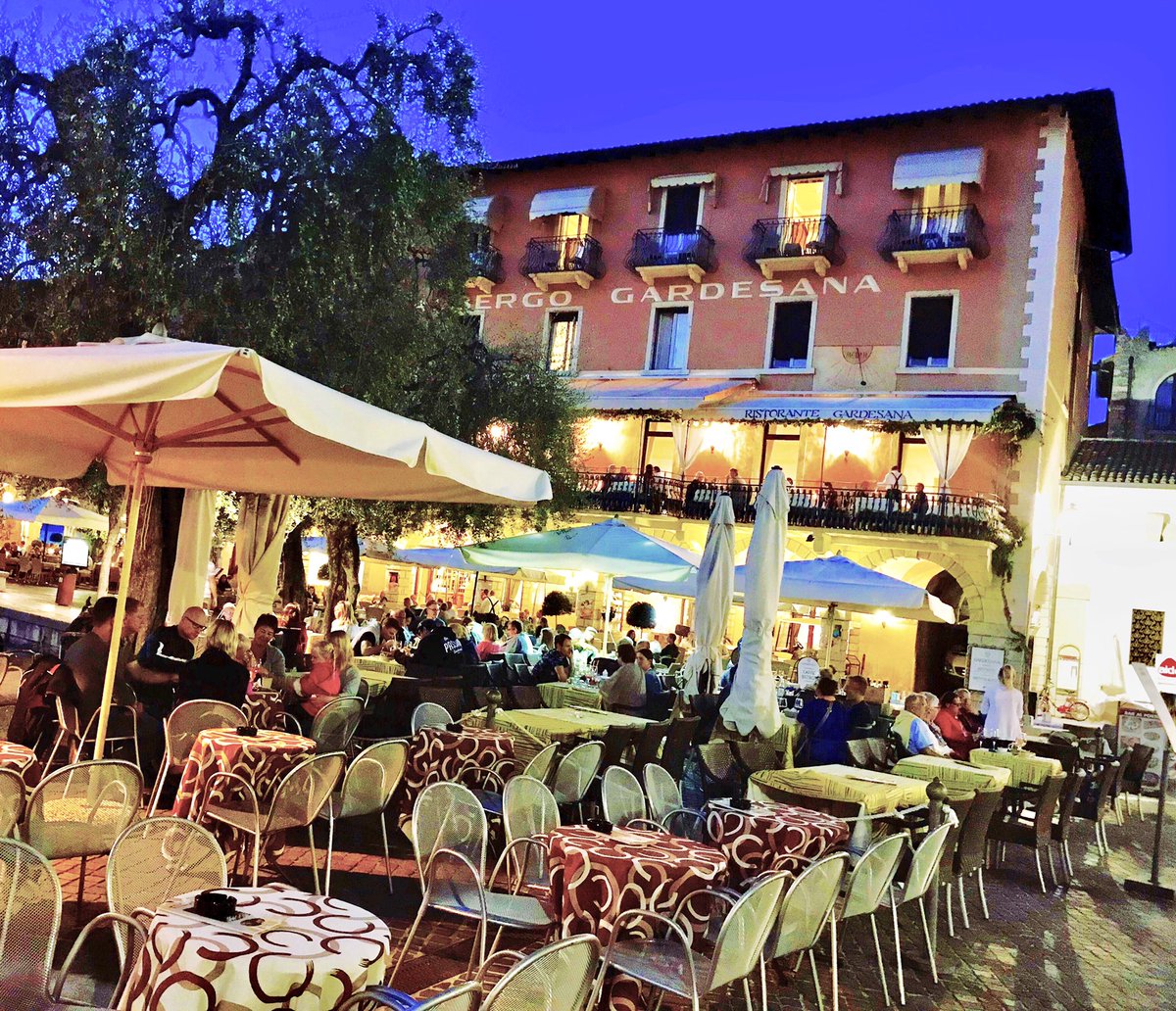
We began on the shores of Lake Garda, in the picture postcard town of Torri Del Benaco (pictured at the top of the page). There, in one day, at least two dozen rosato (rosé) wines were tasted — but we powered through with the help of both the wine makers themselves, and experts like Elizabeth Gabay MW (pictured below), whose recently published book Rosé – Understanding the Pink Wine revolution helps to explain the “rosé all day” trend that has revived interest in pale wines for a younger generation of drinkers.

A Whiter Shade of Pale

Image may contain: drink

Chiaretto di Bardolino (or simply Chiaretto), as it is locally known, is a (generally) paler rosé produced on those Lake Garda shores. Chiaro means “light or pale” in Italian, and it was one of the first appellations in Italy to be awarded the DOC denomination (in 1968) in recognition of the wine’s historic tradition. For the longest time, it was thought of as a simple quaffing wine, but a new generation of Italian winemakers — who have taken note of the rosé revolution going on around the world — are trying to upgrade its image by creating wines with more aromatic and floral notes.

Freshness and citrus fruits are what comes through with Chiaretto, along with a whiffs of minerality, salinity, and herbaceousness. It may not have the depth of the storied rosés of Bandol and Tavel, but what it lacks in their complexity, it makes up for in bright drinkability, not to mention extreme food-friendliness. It’s hard to imagine a better summertime wine, and at price usually well under $20/bottle, it is hard to imagine a better bargain as well.

Here are some notable Chiaretto you should be sipping poolside this summer. Some are available in the United States, while others are looking for distribution here. Either way, these tasting notes will give you an idea what to expect at some very friendly price points:

Santi Infinito Rosé 2017

Bright aromatic notes of ripe strawberries and cherries. Very pale pink caused by short contact with the grape skins, but lively and fresh on the palate, making it a perfect match with seafood and salads. $12 retail.

https://i1.wp.com/italianwinecentral.com/wp-content/uploads/Le-Fraghe-Rod%C3%B2n-Bardolino-Chiaretto.png?ssl=1

Le Fraghe 2017 Rodon Bardolino Chiaretto

A tasty, almost salty minerality comes through at first, followed by fragrant red berry aromas and a hint of spice. Ideal with salmon, it shows lots of crispness, finesse and energy, and a hint of bitter herbs, rather than fruit forward, but still quite a mouthful for $16.

Albino Piona 2017 Bardolino Chiaretto

Pale, dry, and light on the palate with a strong mineral nose, this is a classic quaffing Chiaretto of the sort you see accompanying pizzas in trattorias all around Lake Garda. $15 retail.

Image result for Poggio delle Grazie 2017 Bardolino Chiaretto DOC

Poggio delle Grazie 2017 Bardolino Chiaretto DOC

Another classic Chiaretto (80% Corvina and 20% Molinara blend), this one retails for around $10 if you can find it. Bracing, but rounder and softer in the mouth than many of its rivals, with a hint of salt on the front palate – a perfect aperitif to sip with antipasti. Around $15.

Monte Zovo 2017 Bardolino Chiaretto

Very indicative of the style they shoot for in these Italian blush wines: crisp, pale, austere and very dry, it presents whiffs of white flowers and is not for those who demanding a lot of sappy, feminine fruitiness in their glass. Around $10.

Monte del Frà 2017 Bardolino Chiaretto DOC

Cool fermentation in stainless steel tanks helps to preserve the aromas and gives it freshness and brightness. A blend of 65% Corvina, 30% Rondinella, and 5% Molinara lends this wine a vivid cherry blossom pink hue with hints of red raspberries and currants on the nose. A juicier, fruitier Chiaretto, with lots of youthful acidity, makes this a perfect summertime refresher that’s begging to be paired with prosciutto. All for about $14/bottle.

Villa Calicantus Chiar’ Otto Vino Rosato 2017

Winemaker Daneile Delaini uses organic, biodynamic methods to produce an array of wines from his hand-picked 6 hectares in the hills above Bardolino. He ages his reserve Chiaretto in wood vats which allows it to develop a complexity his competitors can only dream about. A mineral-rich nose leads to bright red fruits, with a mildly tart finish.  Sleek, elegant, and balanced, with beautiful length. An amazing wine for under $20/bottle. It’s too bad you can’t buy it in the United States. Yet.

Image result for Tinazzi Ca' de' Rocchi Bardolino Chiaretto DOP Campo delle Rosé 2017

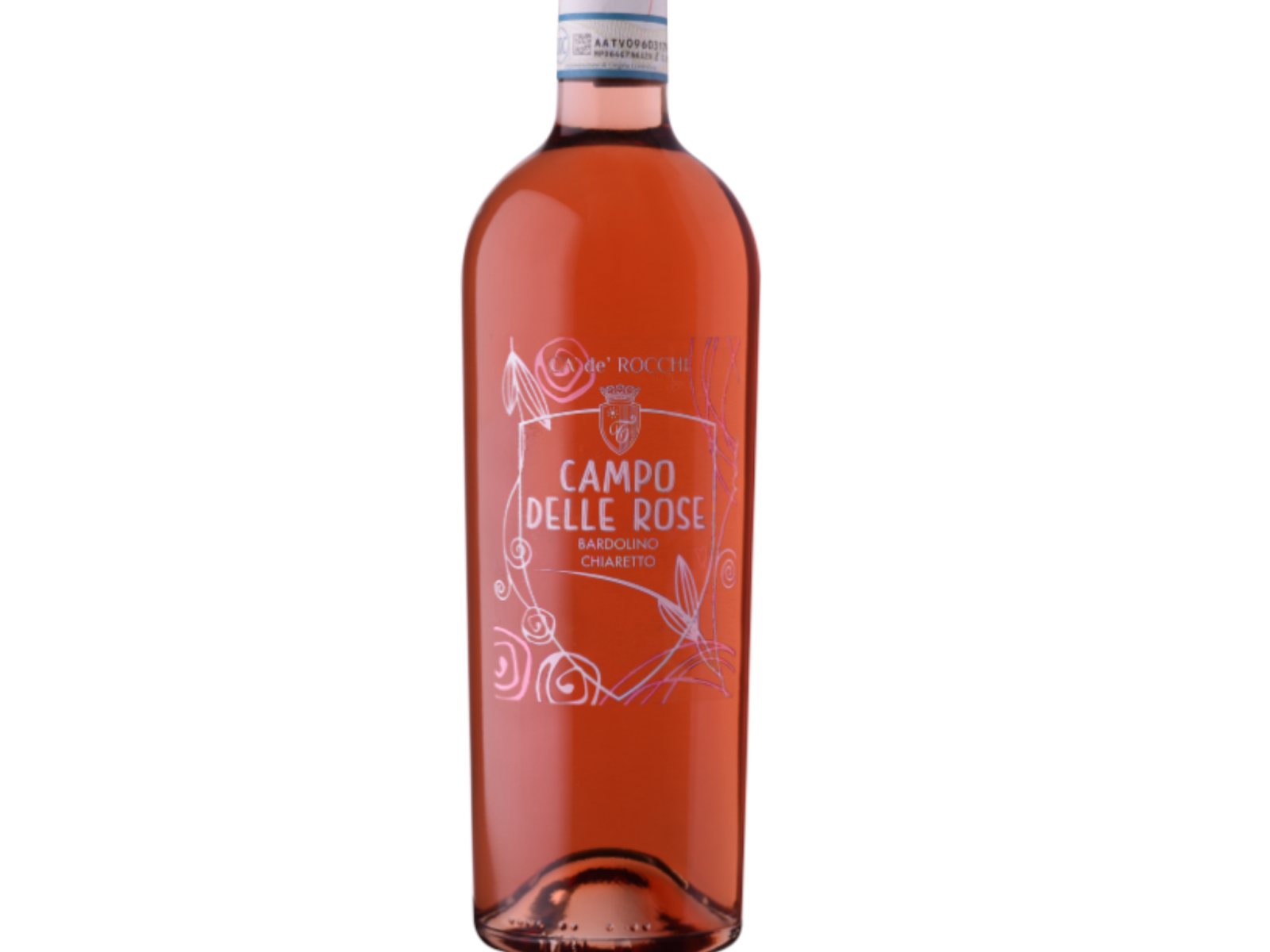
Tinazzi Ca’ de’ Rocchi Bardolino Chiaretto DOP Campo delle Rosé 2017

The name means “Field of Roses.” Pearly-pink and deeper colored than most Chiaretto, its visuals indicated it would be a bigger, richer rosato than most, and the color didn’t lie. A wine full of cherry and raspberry aromas, with a longer finish than many of its rivals. Along with Calicantus, definitely the Chiaretto of the trip. It retails for around $20/bottle, and its salmon-colored cousin —  I Serengni (named for the round stones in the vineyard) — was even more opulent for around $10 more.

Image may contain: sky, cloud, text, outdoor and nature

Guerrieri Rizzardi Chiaretto DOP Classico 2017

G R is a large operation — the polar opposite of Villa Calicantus, Monte Zovo, and many of these family-owned wineries. It dates back to the 16th Century and is the product of two ancient Veronese wine producers coming to together in 1914 to produce their first joint vintage. Production is over 750,000 bottles of wine a year, ranging from Chiaretto spumante to Amarone della Valpolicella DOCG. (The Calcarole 2011 Amarone, its most recent release, is a knockout worth searching for.) The winery and tasting rooms are within walking distance of downtown Bardolino, making a visit here mandatory on any wine tour of the region. Its Chiaretto is emblematic of the style: spicy, herbal, restrained nose, finishing dry but not astringent. Like all of these Chiaretto, it is eminently drinkable and matches well with almost any seafood pasta you can think of — which is quite a bargain for ten bucks a bottle.

I have to admit that when I began this expedition, I had no idea what to expect from these wines. Italian rosé may not be the first wines to spring to mind when you think of drinking pink, but they may be the best bargain in blush wines available on the market right now. They are clean and refreshing drink, nothing to really ponder, but a lot of satisfaction in the glass, and something I’d much rather sip than some insipid Soave.

Image may contain: 2 people, including John Curtas, people smiling(This was the last time on the trip I was even remotely sober.)