There Was a Chef

Image

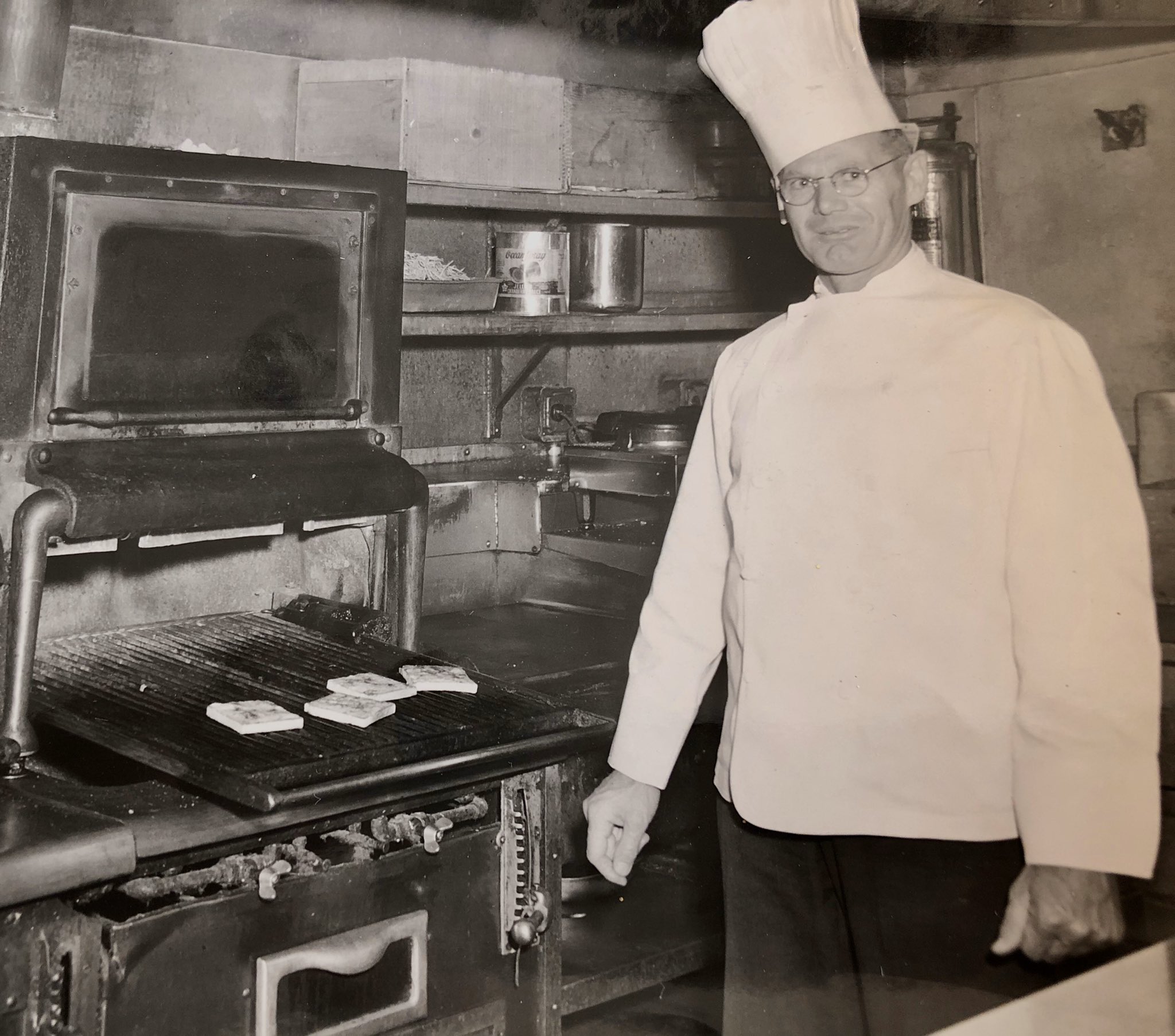
There was a chef who once lived in Las Vegas.

By happenstance, I came into all of this chef’s possessions. All he had in the world when he died, as a very old man, back in the early 1990s.

From these I eked out the barest outline of his career.

German he was, at a time when German lots of chefs were.

Or maybe he was Swiss, as several postcards came to him from Reigoldswil, Switzerland. Only four cards, survived him, all in German, all of them showing the same, sad, sepia-toned building in a faraway hamlet.

Regardless, he as either German or Swiss or Swiss-German at a time when lots of chefs came from there.

He lived and worked here long before anyone thought celebrity and chef belonged in the same sentence…much less the same description.

When he lived and worked in Las Vegas, no one cared who the chef was. The only people who knew a chef’s name was their family and their employer.
Image

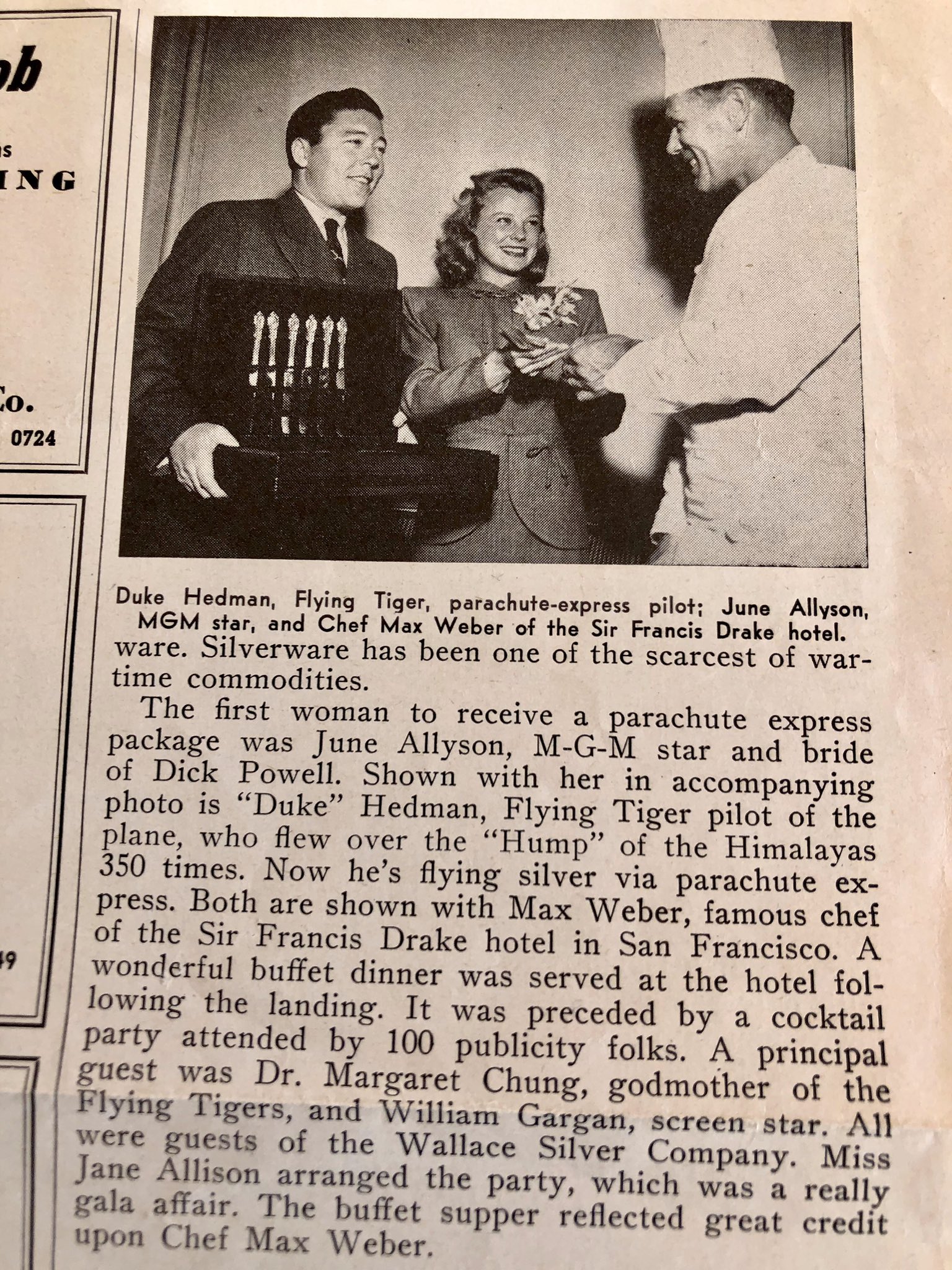
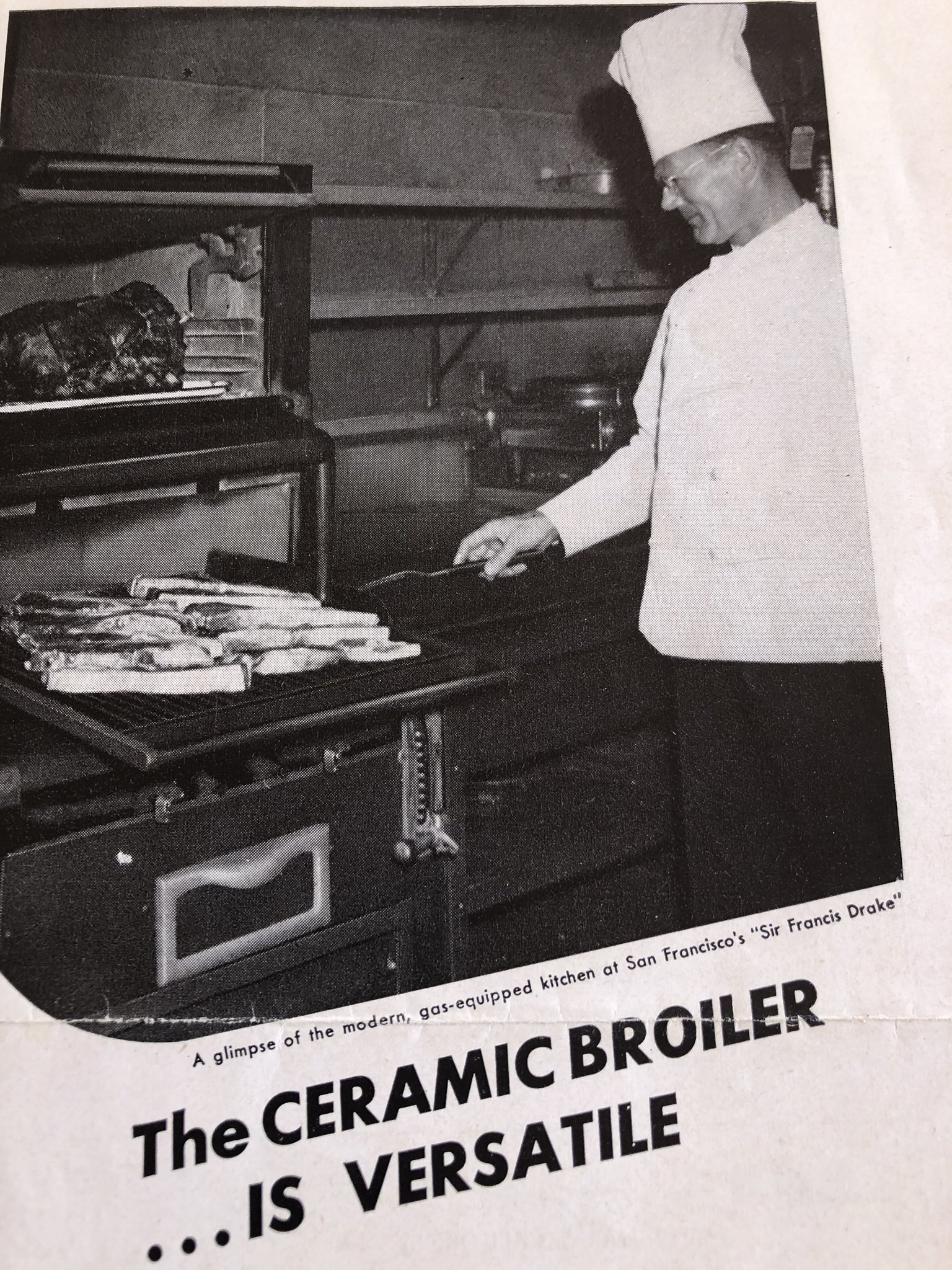
How he came to Las Vegas is anyone’s guess, but from pictures it appears he first landed in Philadelphia as a young man, and then went to San Francisco, where, by 1946, he was being described as a “famous chef of the Sir Francis Drake Hotel.” His “fame” allowed him to appear in a advertisement for a gas-fueled ceramic broiler sponsored by The Pacific Coast Gas Association.

He was very proud of this grainy, b/w photo in the corner of a west coast magazine few probably ever read. Proud enough to keep the cut-out page with him his entire life.

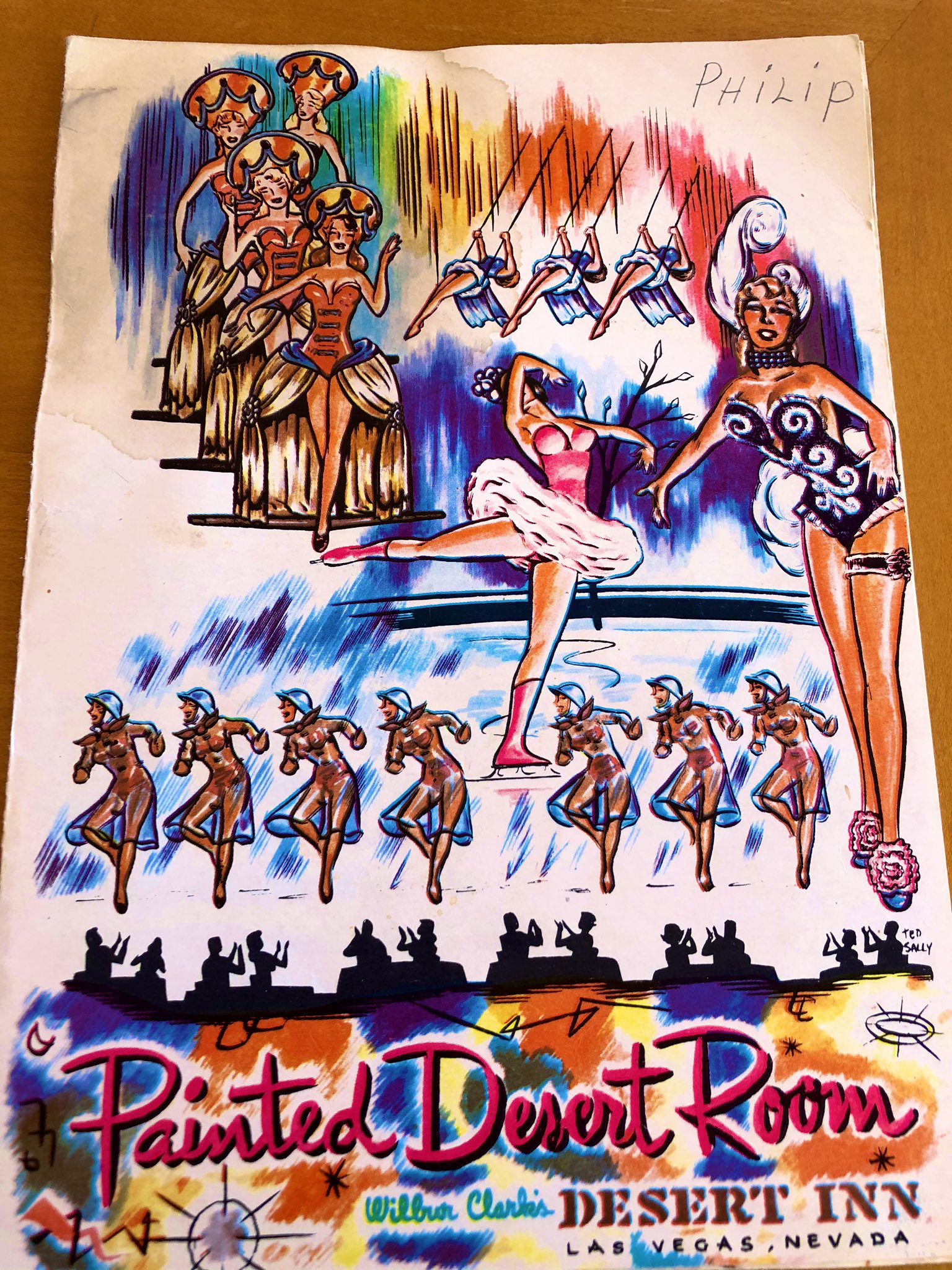
For whatever reason (money? a girl? health?), our “famous chef” wound up in Vegas in the 1950s (like a lot of my relatives), where he worked at the Last Frontier and then the El Rancho Vegas, before moving on to the Desert Inn and the Flamingo.

He ended up being a room service chef at the Flamingo in the 1960s. This feels like quite a drop from being a famous chef in San Francisco, but I think he was proud of being the room service chef at the Flamingo.
Image

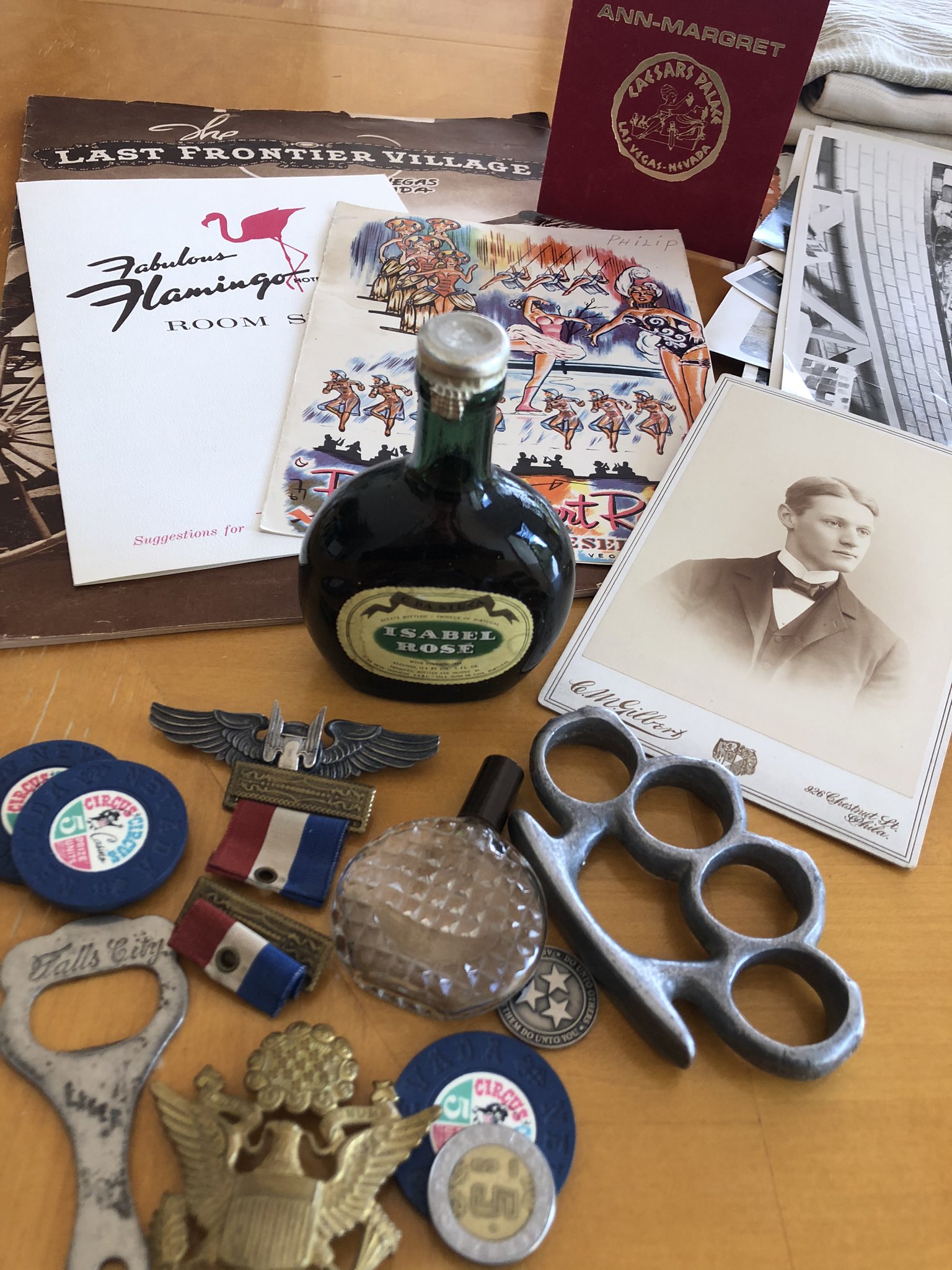
If the 8X10 glossies are any clue, he was a big fan of some movie stars — Ann Sothern, Dorothy “Dottie” Lamour, Gloria DeHaven — lights as dim as the memory of Swiss-German chefs who once came to this desert to run our kitchens and make food for hungry gamblers in the middle of the last century.

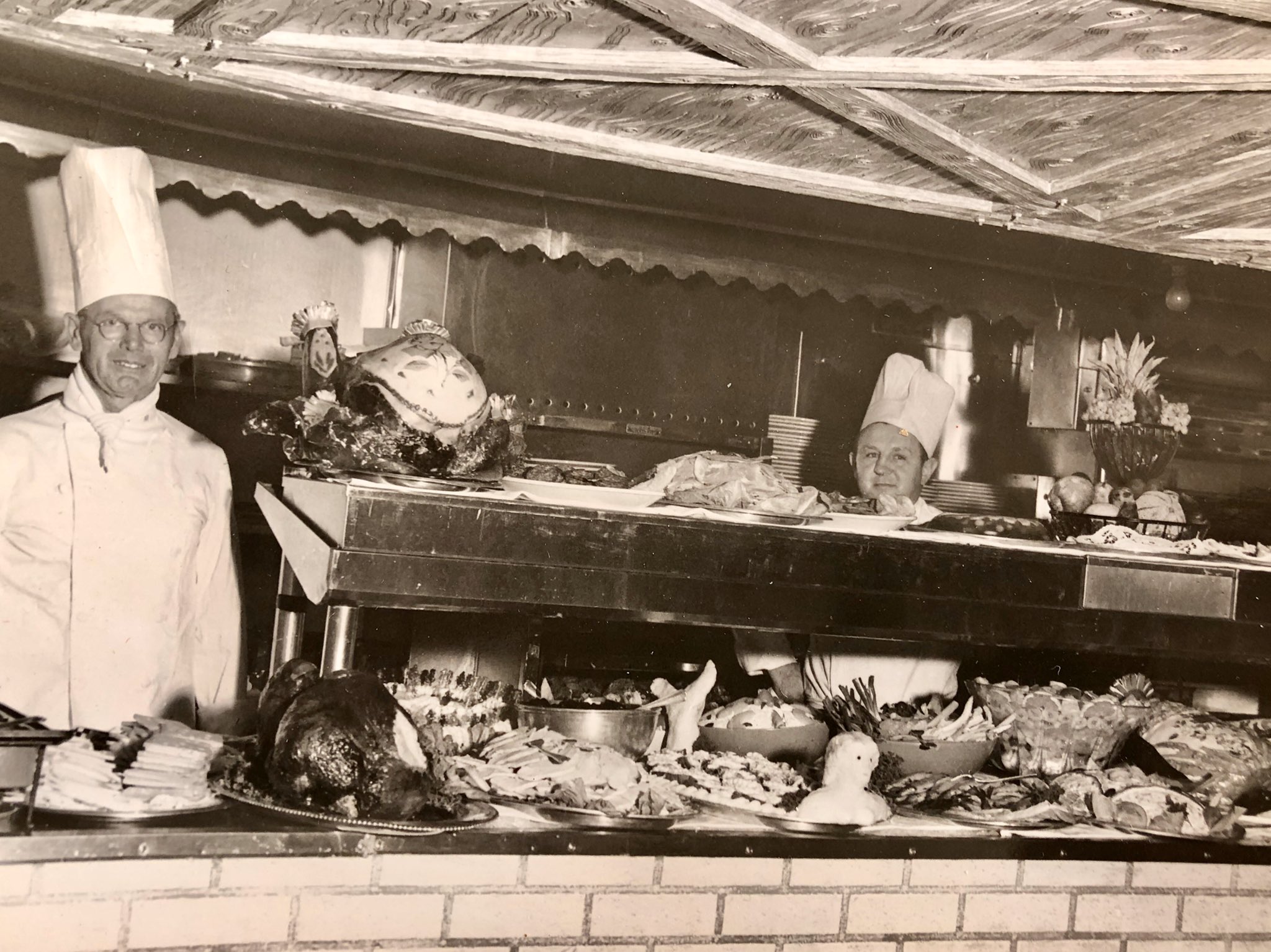
All he had when he died were those clippings, postcards, a snuff bottle, brass knuckles(?), some menus, and picture of himself as a very young man, and a few more of him as a working chef standing beside a wall of food he helped to create.

There were also two small, identical pins sporting narrow ribbons of bleu-blanc-rouge — no doubt some small honor accorded to him for mastering something French — he was proud enough of those to keep them with him his entire life.
Image

That’s it; that was his life. Or all that is left of it.

Nothing is especially sad about these things, but they emit a profound sadness all their own. So few scraps. Such little evidence of a life — pieces of paper, pictures, and a handful of trinkets for a fellow who spent his entire adult life in professional kitchens — who learned a trade and traveled an ocean, and then a continent, to ply a trade when there was nothing star-studded about it, just hard work.

Work that started in Europe, then advanced to a fancy hotel in a major city, and ended in the banquet rooms and coffee shops of a desert casino. The work is what gave his life meaning, I think, and perhaps what gave it joy, I hope.

Max Weber was our chef’s name.

He never married, nor had any kids.

His last years were spent in bed, in the middle of a room, in a small house in Las Vegas, being cared for by the family of a woman he had worked with. They were all he had.

At the end of his life, all of his possessions could fit in the bottom of shoe box.
Image

Does anyone remember him? Probably not. Now only me, not for the work he did, but for what he represents: a life spent feeding other people for a paycheck, because that is what he was good at and was trained to do. There was no glory in it then, and what little there was, Max tasted if only for a moment.

And then the vitality of fame fleeted, and Max had to get back to work.

Chefs like Max were the culinary backbone of Las Vegas — the spine and blood and sinews of hundreds, thousands of bent bodies, frazzled nerves and tired hands who fed tourists well, and kept them coming to Las Vegas again and again, until what you were eating mattered just as much as what you won. They built this town as surely as any game of chance, but no one knew their names then and no one cared.

But Max cared. You can tell from his shoe-box that he cared.

And he had his memories. Of posing with movie stars, and of long groaning tables filled with heroic proteins, miles of steam, architectural ice, and trenches of vegetables. Of midnight buffets and ceramic stoves he stood at at and advertisements with his picture in them. Of a little town in Switzerland he escaped, and a desert town where he landed. Where he ended up making sandwiches for people who knew nothing of this famous San Francisco chef who was somebody once — a man who traveled so far to feed so many….until at last the flame on the stove flickered no more.
Image


Wine is Hard, GARAGISTE Makes It Easy

Image(I’ll have what she’s having)

It used to be so simple. Learn a few grapes, a couple of countries, carry a vintage chart around with you, and sound like an expert.

Back in the Stone Age, that’s all you needed to do.

And by “Stone Age” I mean about 15-20 years ago.

40 years ago (about the time I started getting into wine), it was all about France….with a little California thrown in. Remember the Judgment of Paris? I do; I even remember the original Time magazine article about it. The whole episode rated about 300 words on a back page of the ‘zine — barely a blurb about some California upstarts (Chateau Montelena and Stag’s Leap Wine Cellars) beating the Frogs at their own game.

Up until then, if you wanted to “know” wine as a consumer, you needed to know Bordeaux. Memorizing the 1855 Classification was essential, and woe to the poseur who couldn’t tell his troisieme cru from a Premier Grand Cru Classé.

There were sub-parts and sub-parts to the sub-parts of these classifications, but by and large, it was all about France. California started flexing its muscles in the early 1980s (bolstered in part by the growing legend of that 1976 Paris competition), but California was always easy: Cabernet Sauvignon, Chardonnay and that was it.

Back then, Italy was atlas esoterica; Spain, the undiscovered country. Germany, Australia and Portugal? Strictly for the nerdiest of wine nerds. Chile, Greece, Hungary, Argentina, Mexico, Canada, China? Fuggidabadit.

Big, fruity Cabs were what counted in Cali, along with massive, over-oaked Chards. All you had to do was know your producers — few wineries were trumpeting their specific vineyards  — and after a couple of trips to Napa, you could strut around like some imperious Brit, expounding on the merits of the Rutherford Bench, or the superiority of Sonoma fruit.

Was it all bullshit? Of course it was all bullshit. Practically everything about wine is bullshit. Getting past the bullshit (so you can enjoy what’s in the glass) is half the fun.

These days it’s less about antiquated, overblown French marketing ploys and more about the beverage. Like the internet, the world of wine has expanded our horizons while shrinking the earth. Good wine is everywhere, and now being made from grapes no one had ever heard of in the last half of the 20th Century.

Wine is hard now. Very hard. As in, having to learn a dozen languages (plus topography) hard.

The trick is making sense of it. The secret is you don’t have to. All you have to do is know your wine bar.

Image

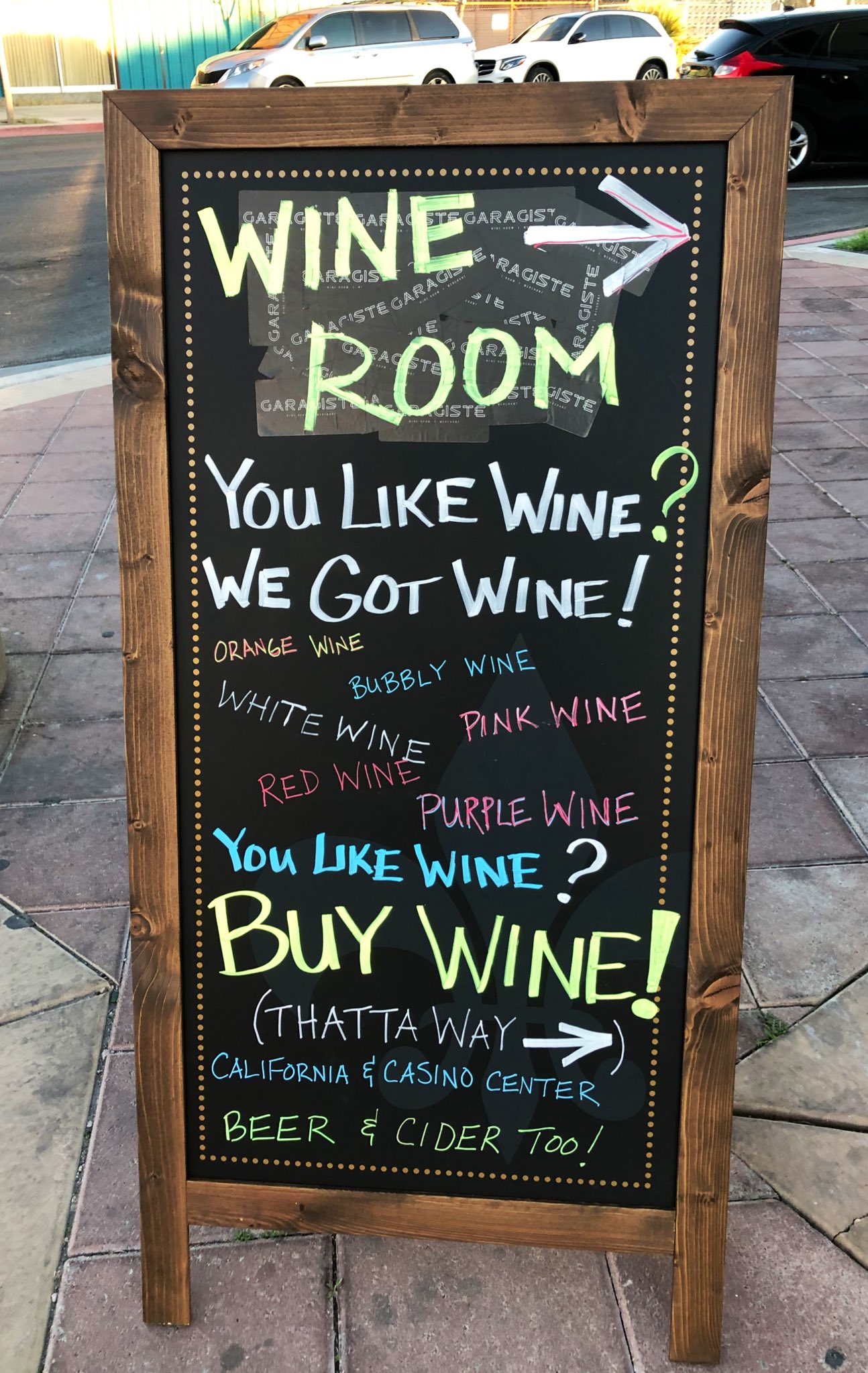
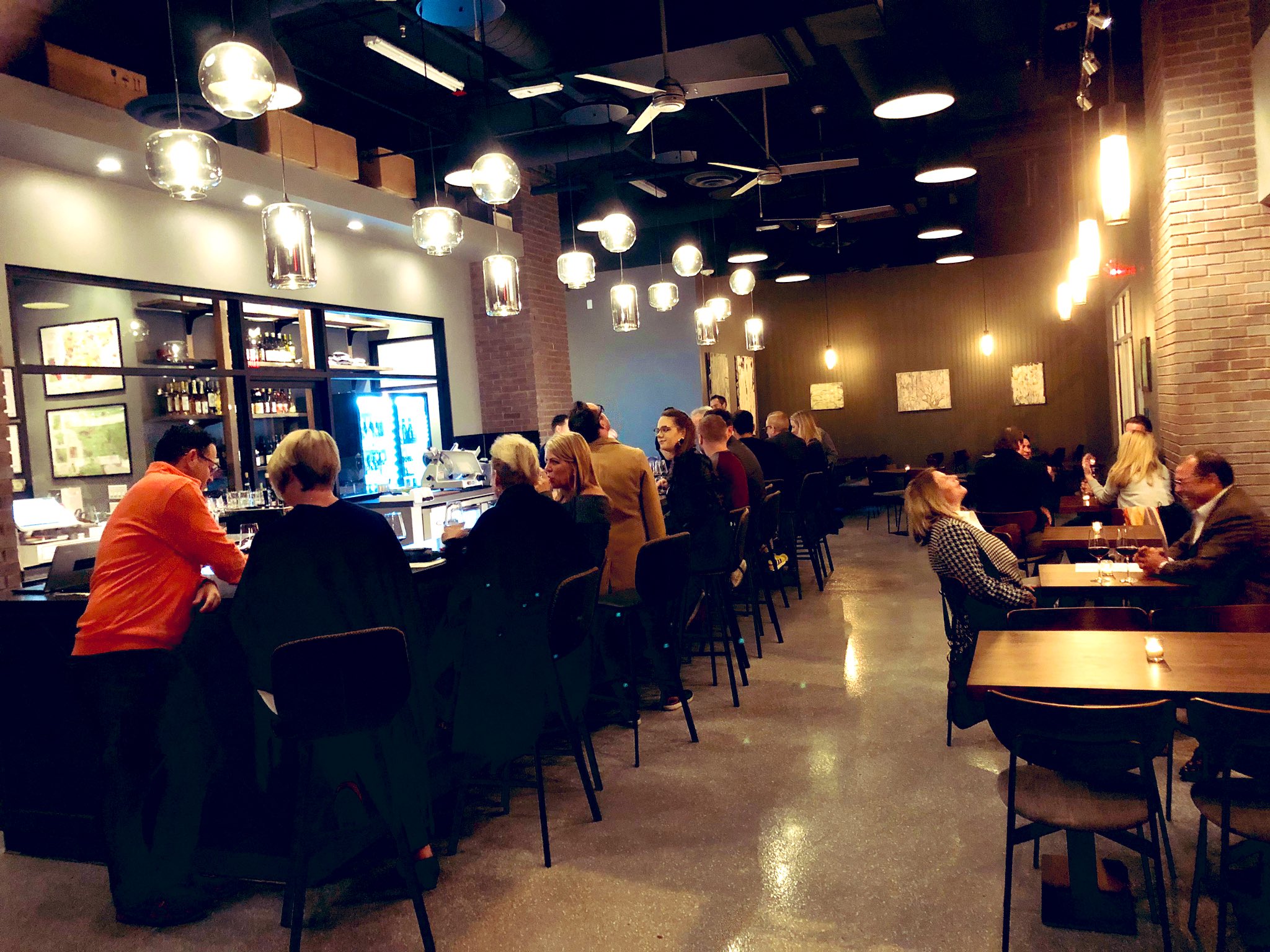
GARAGISTE opened late last year and almost immediately became an industry hangout — a place where the cool kids, not the rich kids, drink wine. It eschews the easy pickings of “name brand” wines (famous Burgundies, big hitter cabs, overpriced Bordeaux) for an ever-changing selection of new-fangled bottles from producers you’ve probably never heard of.  (For those unfamiliar with the term, “garagiste” refers to small, Right Bank producers who became known in the 1990s for making cult wines that aren’t worth the prices people pay for them.)

To be sure, you can still pick up some hefty Barolos, big Burgundies, or righteous Rhones here, but the specialties of the house are lip-smacking wines at reasonable prices that are so good you don’t care about their snob appeal.

This poses a serious conundrum for, let’s say, 90% of the fine wine drinkers in the world, who only drink wines based upon reputation. Or even worse, buy bottles based on the “score” some hack writer in some advertising rag (read: most wine journals) gave it.

You’re not going to hear a lot of “The Spectator gave this a ’94′” at Garagiste; nor will you see a lot of label whores showing off their good taste. Instead, you’ll find people who like wine because it tastes good, not by how impressive they think it is.

Las Vegas is late to this party (no surprise there) as these kinds of wine bars have been all the rage in Paris for over a decade. Just last weekend we stumbled upon Mignon in downtown Los Angeles, and it fit the same mold: passionate owners, reasonable prices, exquisite, obscure wines in an unpretentious setting. Exactly the opposite of the snobbery so often (rightfully) attached to wine drinking.

No one is talking scores here. Owners Eric Prato and Mario Enriquez are more interested in describing to you what’s in the glass, and turning you on to unfamiliar bottles, producers, and grapes.

They also do the natural wine/biodynamic-thing, but aren’t obnoxious about it. Both will tell you that some natural wines have a funky, less-polished, rough-around-the-edges taste to them that may not be to some people’s liking. You will get fair warning and also a taste before you have to commit to a whole glass.

You will also be getting an education here unlike any available at any other wine bar in town. Having two gifted sommeliers on hand most evenings to guide you through the pours is something other wine-drinking locations (what few we have) can only dream about. (Some joints around town are “wine bars” in the same way that any restaurant with a steak on the menu is a steakhouse.)

To be sure, there are things I don’t like about Garagiste. The setting is a bit cold, more industrial than cozy. Noise levels are up there — perhaps not at military jet-afterburner levels, but conversation-impeding just the same. (Enhancing conversation should be a wine bar’s second main purpose.) Some cushy chairs and strategically-placed sound baffles would go a long way. The nibbles are little more than a single (good) cheese platter with excellent bread from Esther’s Kitchen across the street, and at busy times, the owners and staff can be over-matched. (I’m actually ecstatic when the place is packed, and some crunchy grissini at the bar would also go a long way when you can’t get the staff’s attention.)

The plus side is that you’re in a wine bar, so relax, pilgrim. You’re not there to see how fast you can catch a buzz.

Also, patrons have quickly embraced options to the limited food offerings…by bringing their own! Prato and Enriquez are totally fine with you inhaling a burrito from Casa Don Juan (down the street) next to a sexy syrah, or pairing some Pad See Eiw from DE Thai Kitchen (around the corner) with a sassy Juliénas. Want a big-ass steak with your Chateau Cantermele? No problem, just get one to-go from Esther’s and eat it on the premises.

Image

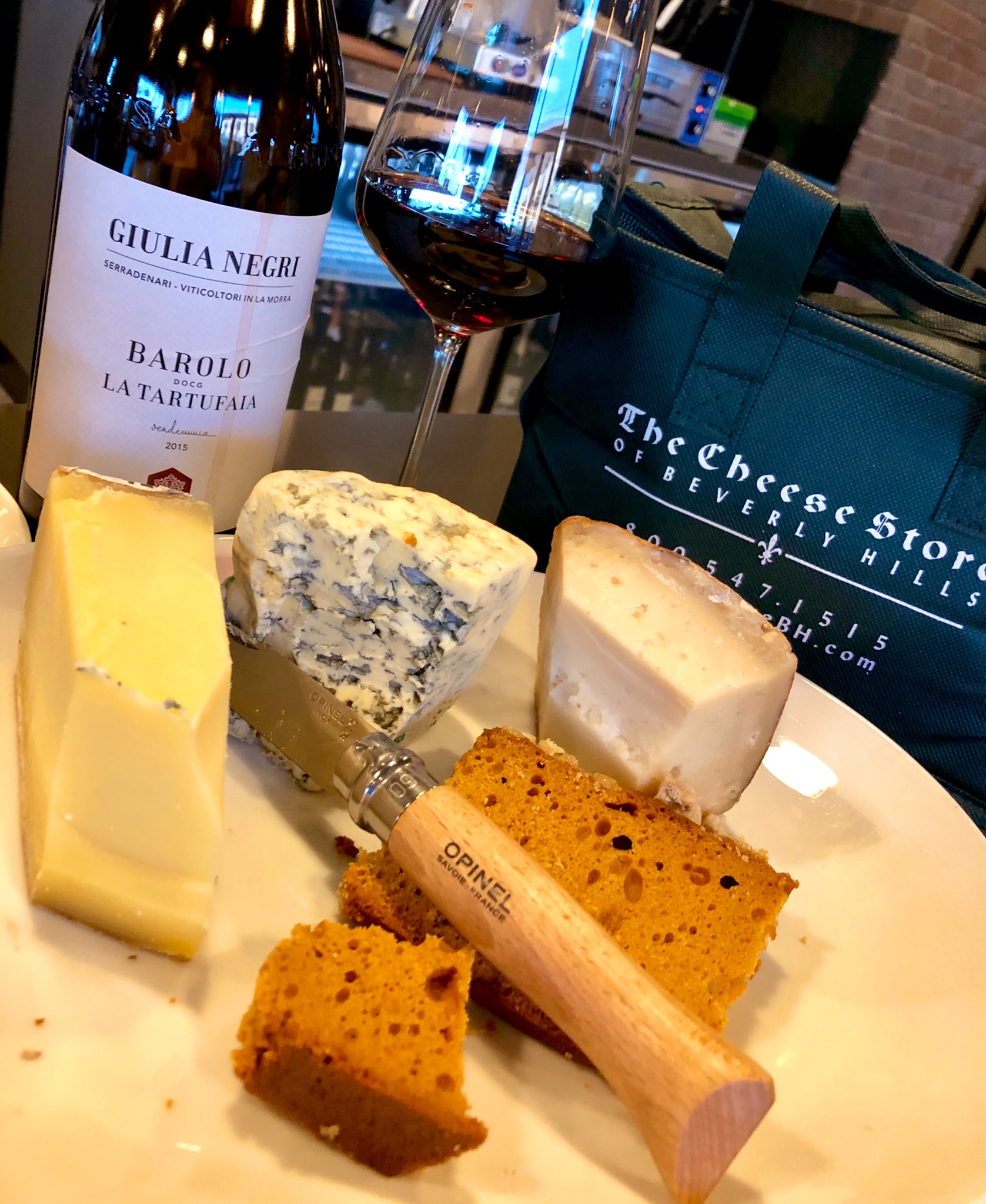
Being something of a cheesehead, I’ve taken to bringing my own platters of Fourme d’Ambert, Comté, Pecorino, and Cabot’s Cloth-Bound Cheddar to enjoy with whatever cheese-wine pairing suits my fancy that day.

Another issue (more like a curiosity) is the way the bottles for sale are priced. Garagiste is both a bar and a retail store. The list you’re given is also what’s available for sale. Bottles to take home are priced at half what they cost if you drink them there. This makes the prices seem like a steal if you take one to-go, and a bit pricey if you opt to pop a cork on the premises. Still, even with this in-house mark-up, everything is at least half of what you’d pay for the same juice on the Strip.

And what you’re paying for is unique indeed. Interesting bottles, ever-changing wines by the glass, low prices, knowledgeable patrons, friendly owners, and a feeling as if you’re at the epicenter of a Las Vegas wine renaissance.

I’ve been saying for years that the craft beer has become ridiculous, and Millennials will eventually age out of all the cocktail folderol. It looks like it’s happening and Garagiste is ground zero for how it’s happening in Las Vegas.

Being someone who has waited 30 F*CKING YEARS,  for a place to drink good wine downtown, it couldn’t have happened a moment too soon.

Skoal!

GARAGISTE WINE ROOM/MERCHANT

197 E. California Ave. #140

Las Vegas, NV 89104

702.954.3658

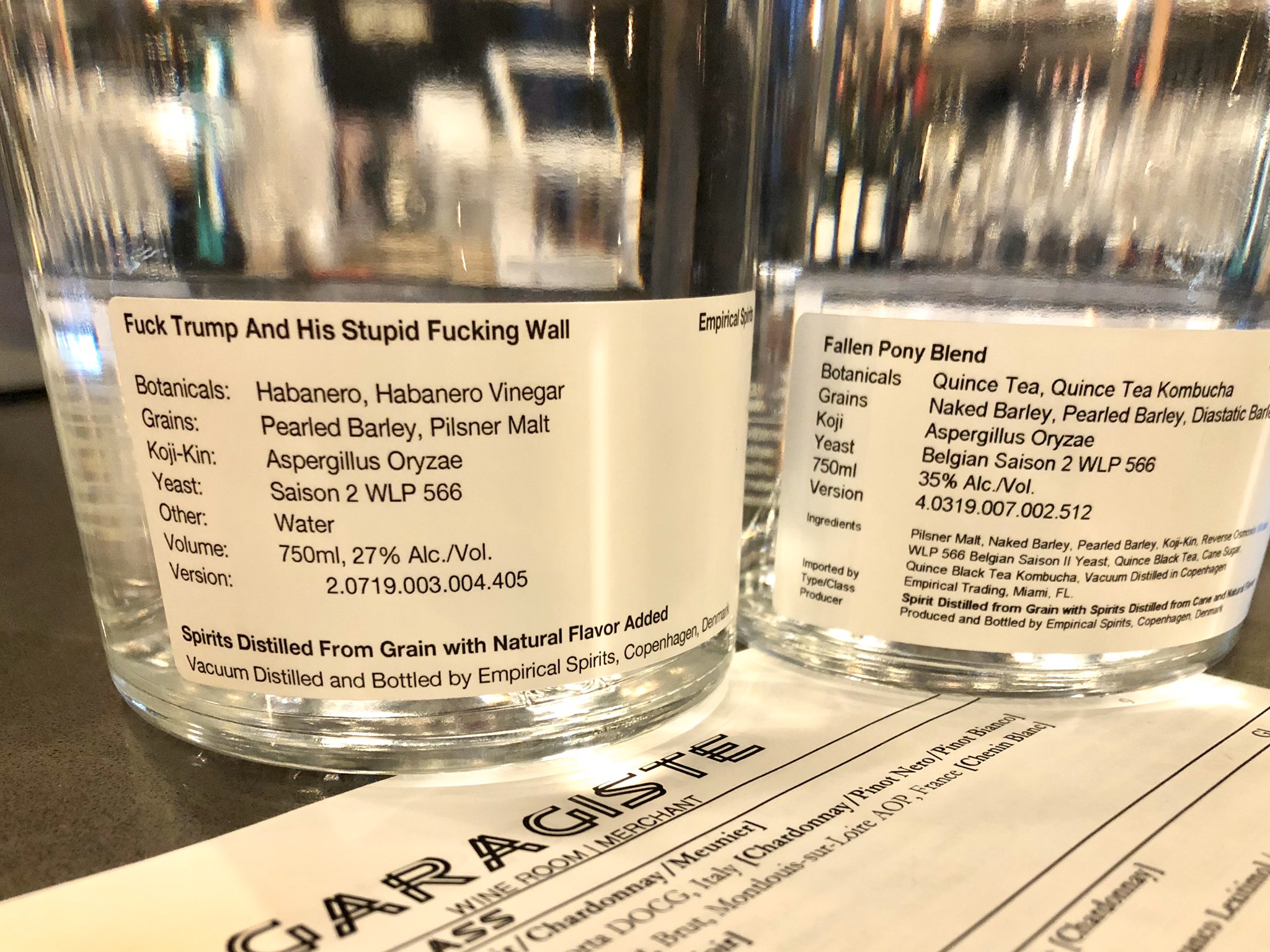
Image(Weird-ass spirits in a wine bar? Yes!)


EATING LAS VEGAS 2020 – A Review and an Announcement

Image(Snobby, uppity, opinionated, and not objective!)

From CaffeineFiend at Amazon.com:

Simply put: Don’t waste your time on this book. You’re not going to find it a useful resource…let alone an objective resource! The author is uppity, snobby and very opinionated.

Filled with excessive profanity, “Eating Las Vegas” is the author’s highly subjective views favoring high end restaurants. To him, buffets are like eating out of the garbage. He hates people who go to Vegas for conferences or work, aka what he calls “asses with money”. He hates the casual Sin City tourist like men in cargo shorts and women in yoga pants worn “usually on people with asses to big to be wearing them.” Seriously, would you take advice from this clown?

There’s a reason why he’s divorced and enjoys eating out alone.

While I know eating is very subjective and to each to his/her own, but this silly, arrogant clod has no credibility with me. No help.

You’re better off looking at a Fodor’s or Unofficial Guides to Vegas for very insightful, credible and well-written advice from objective and professional authors.

Guilty as charged.

tfd106 GIF by Tacoma FD

Except for the excessive profanity part. To the best of our recollection, we drop the F-bomb once, and throw the S-H-I-T word around a couple of times.

And except for the whole Fodor’s, Unofficial Guides-thing….which are guidebooks thrown together by free-lancers who hardly ever step foot in the places they list.

Other than that, this bloke has us pegged harder than Donald Trump with a porn star.

Thank you for buying and reading, CaffeineFiend!

Announcement:

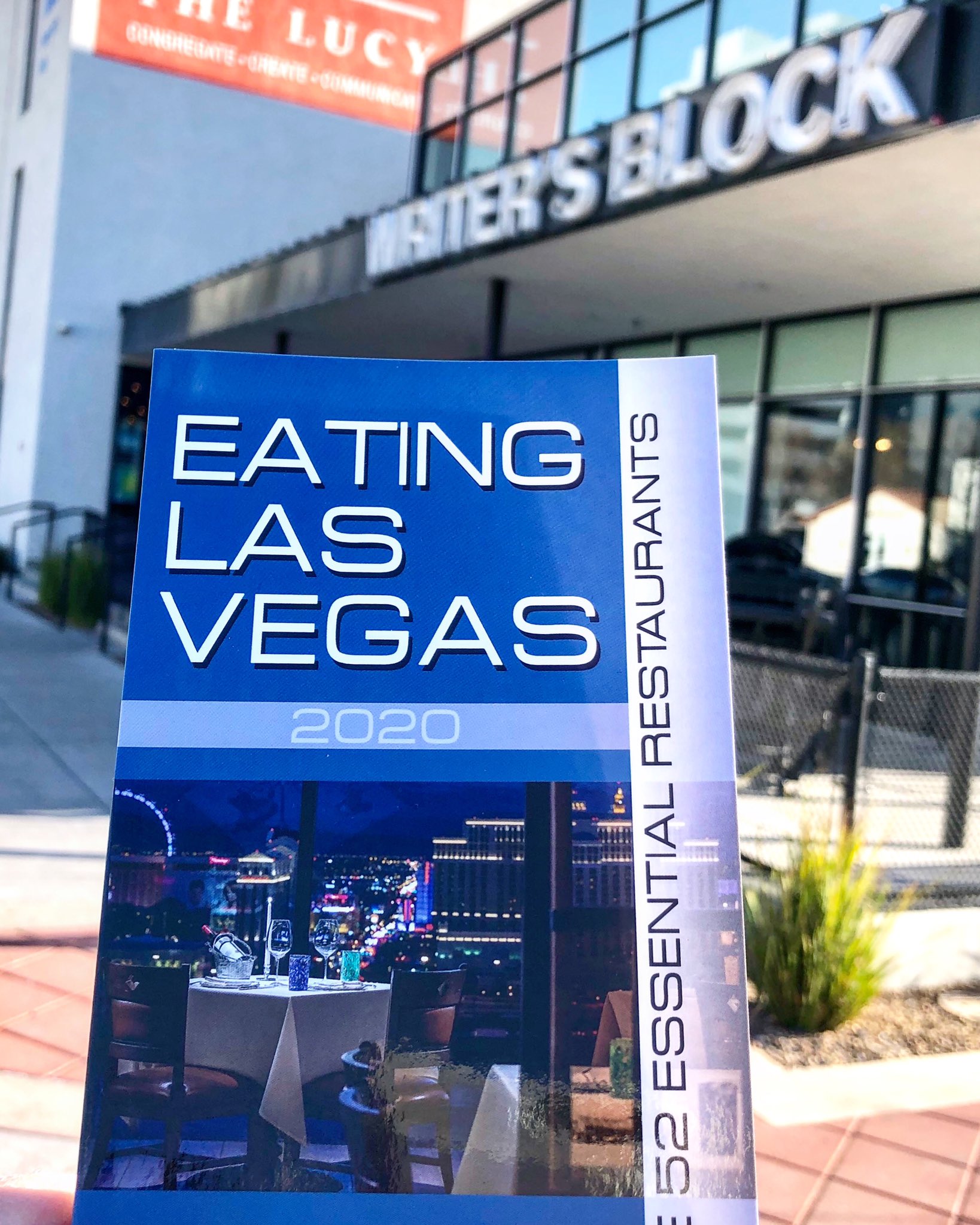
A week from this Thursday, February 27 at 6:00 pm, we will be hosting a book-signing/discussion group at The Writer’s Block, 519 S. 6th St., LV, NV 89101, 702.550.6399.

The discussion topic will be “The Future of Las Vegas Dining” – and a panel discussion (led by yours truly of course) will held with participants Kim Foster, Eric Gladstone and James Trees….as well as among a host of other food and beverage professionals who will be in attendance with plenty of opinions of their own.

Refreshments will be served.

And by “refreshments will be served” we mean good pizza and Prosecco.

Admission (and refreshments) are free…but we’ll appreciate it if you buy a book….or at least bring one you’ve bought for autographing.