Father’s Day…is for Feasting!

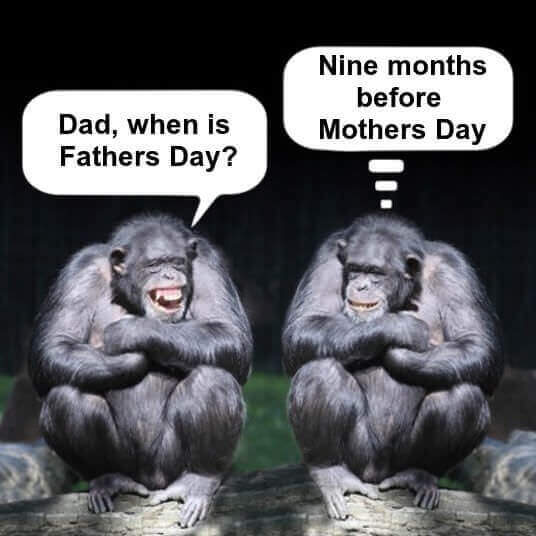
Image result for Father's Day jokes

A maudlin, insincere printed card…means nothing except that you’re too lazy to write to the woman [or man] who has done more for you than anyone else in the world. Any mother would rather have a line of the worst scribble from her son or daughter than any fancy greeting card. – Anna Jarvis on Mother’s Day

Even when my dad was alive, neither of us was into the whole “Father’s Day” thing.

I have two sons, neither of whom is much into the whole “Father’s Day” thing, either.

My family has always considered the whole Mother’s Day thing fairly ridiculous, too.

Face it: If you need a special day of the year to appreciate your parents, then I feel sorry for you…and your parents.

Unlike Mother’s Day, which is wholly a 20th century American invention (completely disavowed by its inventor, Anna Jarvis, btw), Father’s Day goes back to the Middle Ages. (Perhaps in those less scientific times, men needed a day of the year to take stock of all the seed they had sown. Or maybe, it was just one more acknowledgment of society’s patriarchal dominance, as if anyone needed reminding that cocks and balls controlled things in 1557.)

Mother’s Day got corrupted by the floral industry, greeting card manufacturers, and later, restaurants. It remains an absurdity of our culture fueled by guilt and dime store sentimentality.

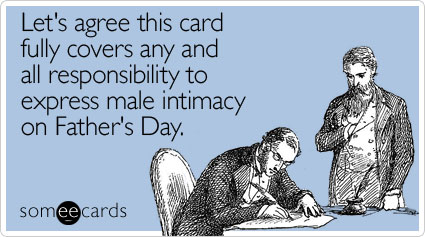
Related image

Father’s Day, thankfully, doesn’t keep Hallmark in business. Ugly ties, golf gear, and preserved horse turds are more its thing.

Dad’s Day has something else going for it, too: it’s a fine day to go out to eat.

On Mom’s special day, everyone and their brother is falling all over themselves to take “Mom” out to eat. This tradition started presumably because “Mom” was slaving away at the stove the other 364 days of the year. (How many moms slave away at a stove these days?)

Giving mom a day off from kitchen duty was the whole point behind taking her out to eat one day a year; now it’s as obsolete as June Cleaver baking cookies in her pearls.

It’s precisely because everyone goes out to eat on Mother’s Day, that it’s the worst day of the year to do so. Kitchens are stressed to the max, menus are dumbed-down, and service is invariably atrocious. Anyone who goes out to eat on Mother’s Day is a fool. If your mom (or your family) insists, do yourselves a favor: take her out to eat some other day. Problem solved.

Father’s Day is just the opposite. It’s business as usual for restaurants, because, presumably, no one is trying to give every friggin’ dad in American a day off from their (non-existent) kitchen chores. Father’s Day is all about bonhomie and thanking pops for having sex with mom and sticking around after having done so.

So do dad a favor this Sunday: take him out to eat at a real, manly man restaurant where he can indulge all his dad impulses and appetites, and all of you will feel better, not worse, for the experience.

To help you with this pleasant chore, I’ll make some suggestions, as I did last week on News 3 Las Vegas. Here I am in all my book-shilling, pants-bulging glory:

And here is a longer list of ideas where you should take dear old dad, if you want to show him how much you love him. If you don’t love him, take him to a buffet.

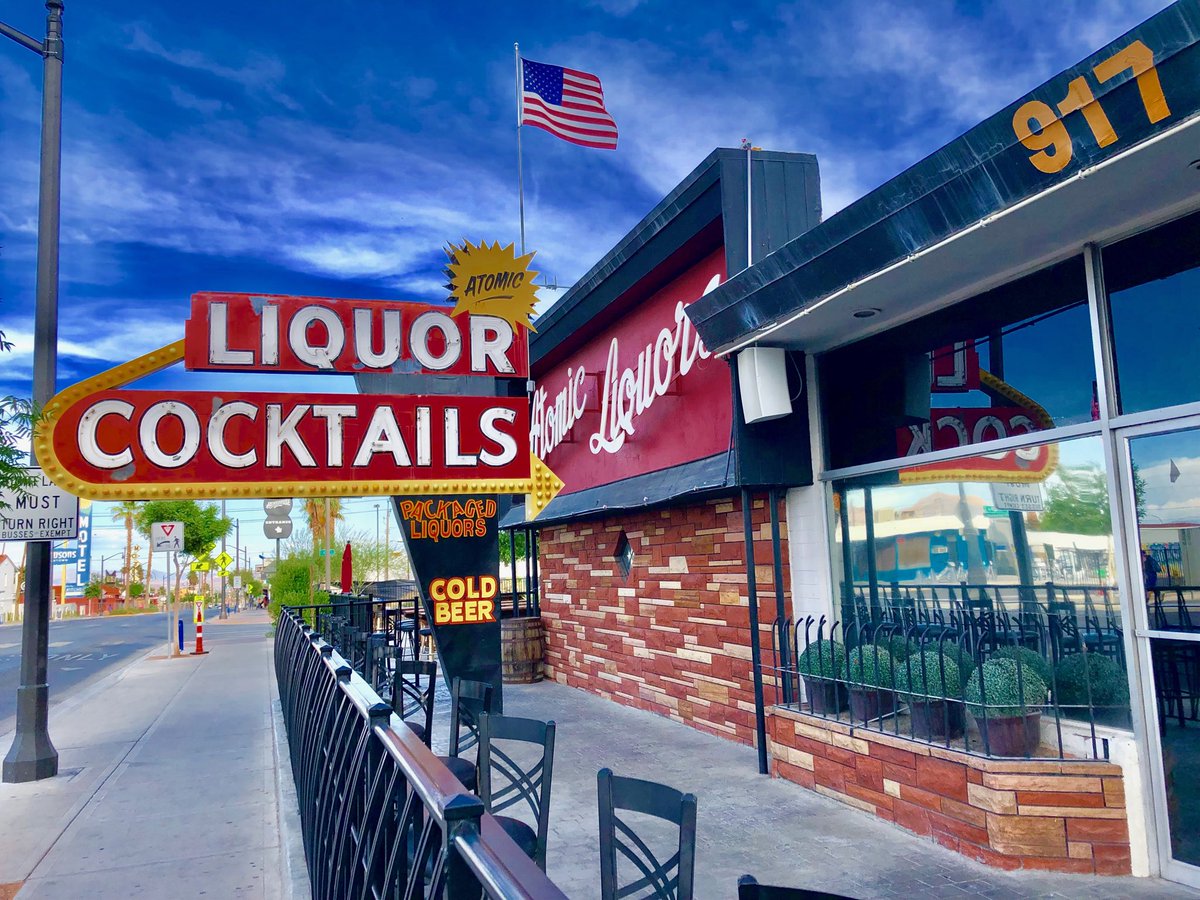
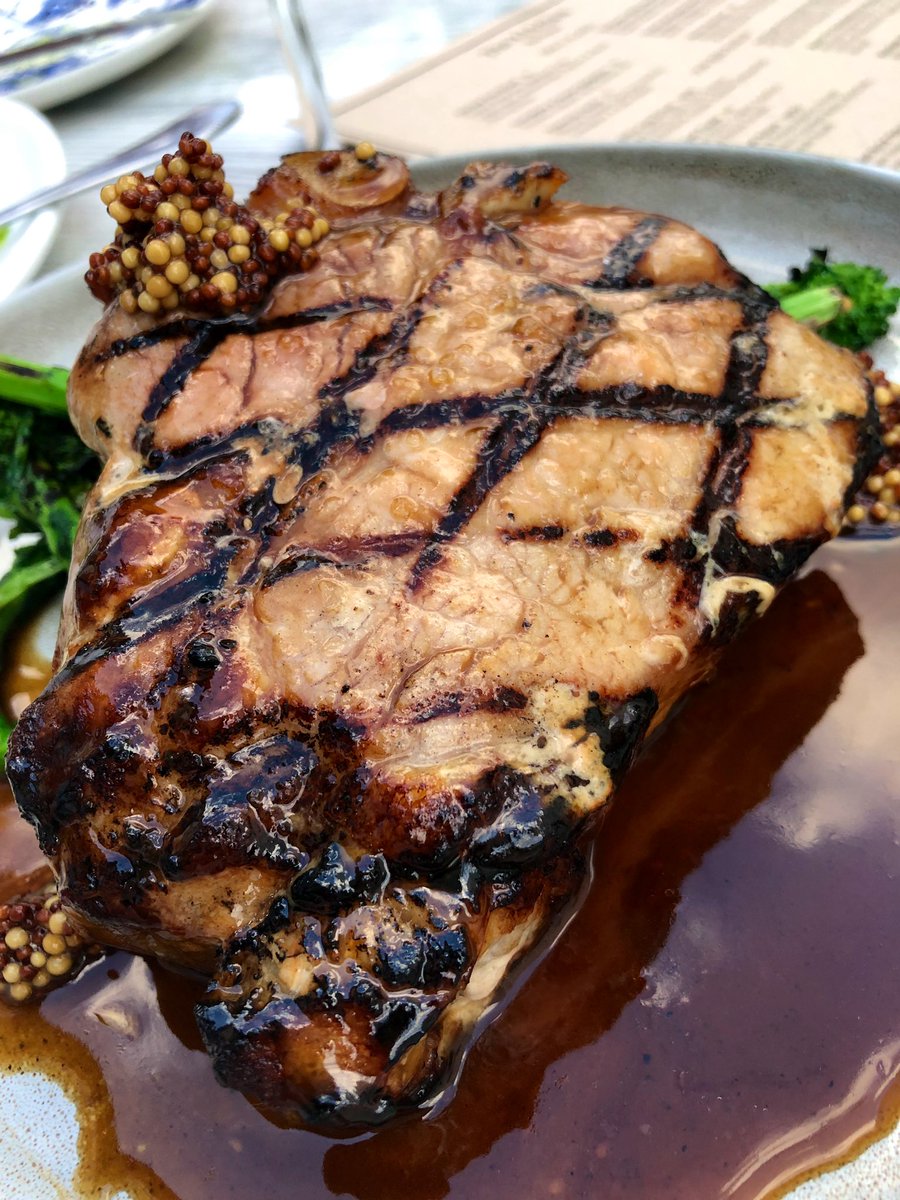
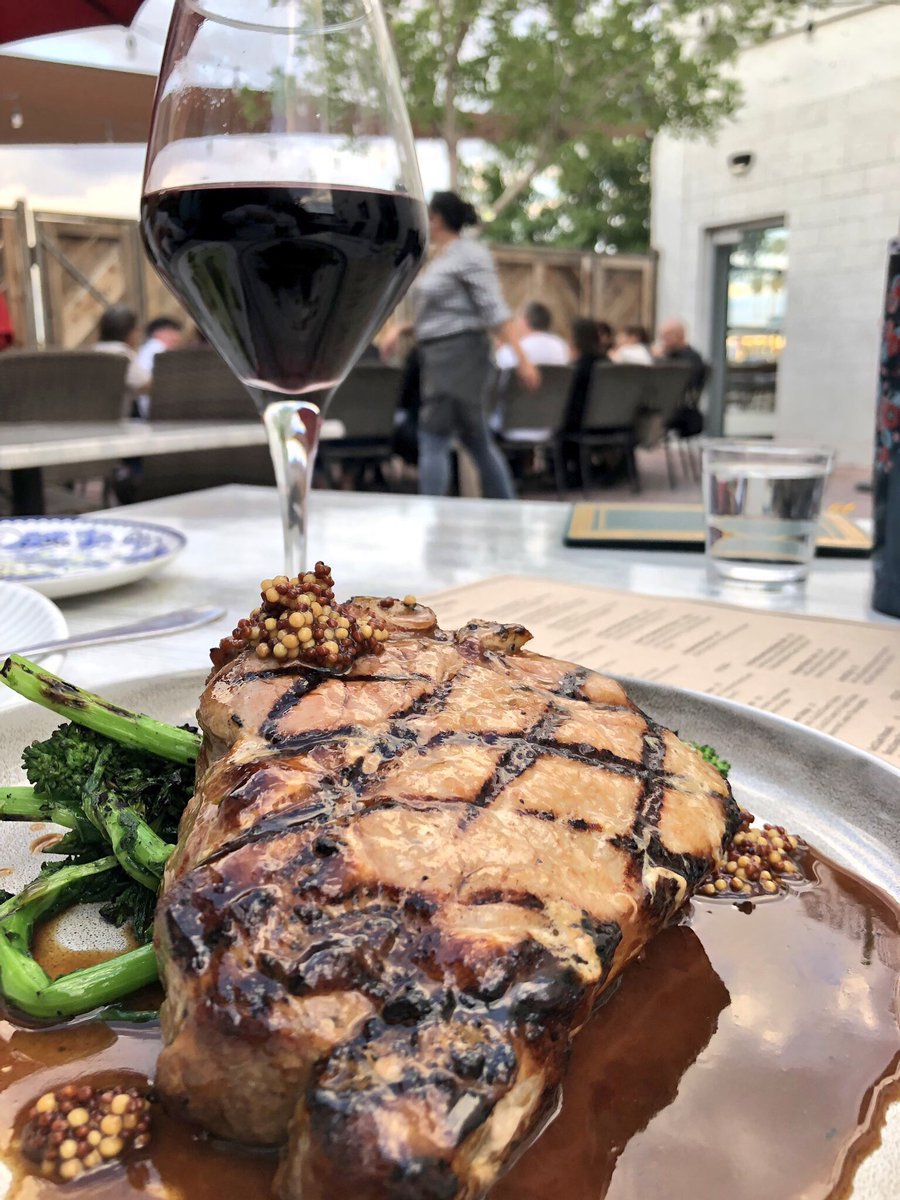
(Rum-brined pork chop at Kitchen at Atomic)
Foodie Dad: The Kitchen at Atomic

Pizza Dad: Pizzeria Monzú

Dad’s Day Brunch: HEXX Las Vegas

Vegetarian Dad: Shiraz Las Vegas

Burger Lovin’/Beer Swillin’ Dad: BBD’s Las Vegas – Beers Burgers Desserts

OTHER RECOMMENDATIONS (that didn’t make it into the TV segment, obviously, due to time constraints):

Barbecue Dad: SIN CITY SMOKERS or Mabel’s BBQ LV

Taco Dad: Santos Guisados Tacos & Beer or Bajamar Seafood & Tacos

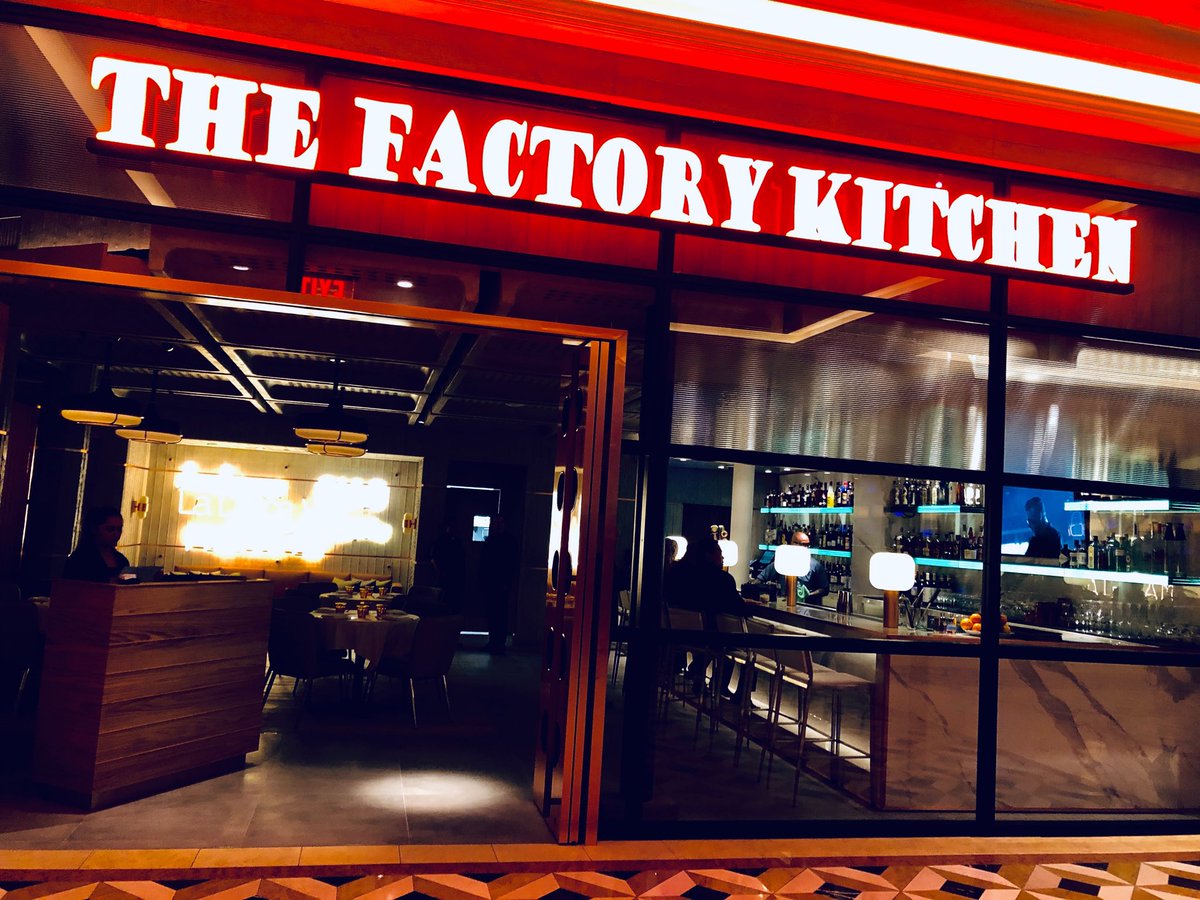
Pasta Dad: The Factory Kitchen or Esther’s Kitchen

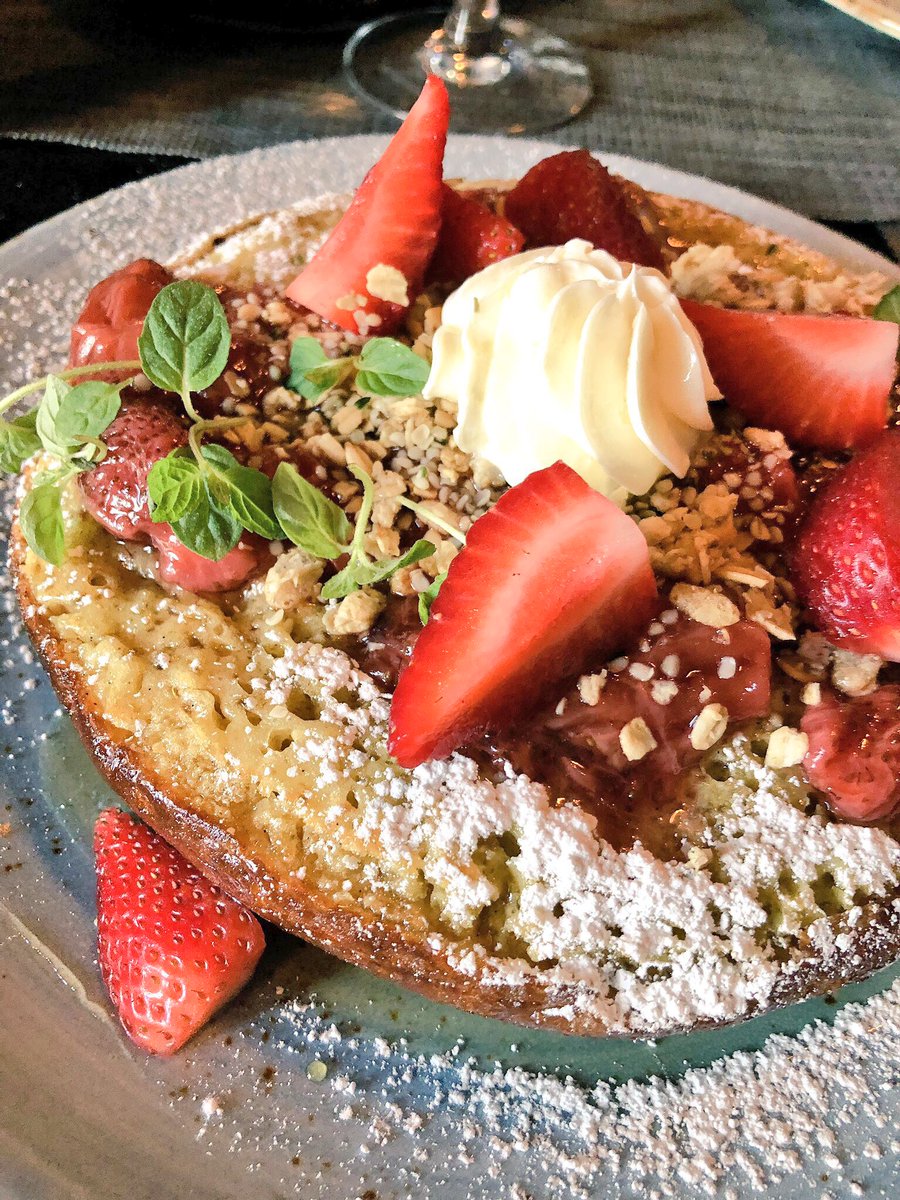
(Nordic waffles? Ja! At Saga Pastry.)

Viking Dad: Saga Pastry + Sandwich

Greek God Dad: Elia Authentic Greek Taverna

Frito Bandito Dad: Serrano’s Mexican Restaurant

D-Day Dad: Ohlala French Bistro or Eatt Gourmet Bistro or Partage

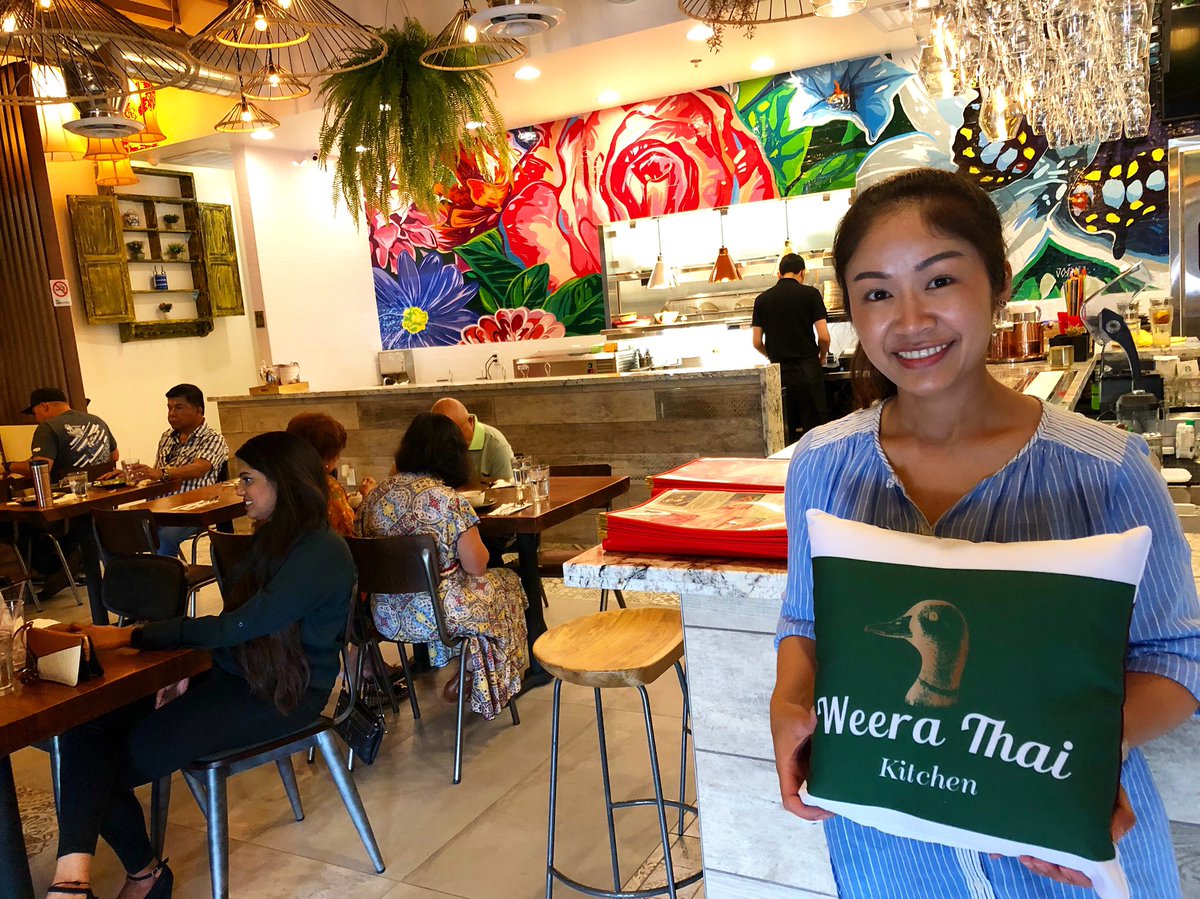
Fit to be Thai’d Dad: Lamaii or Weera Thai Kitchen

Price is No Object Dad: Vetri Cucina LV

José Andrés Fan Dad: Jaleo or Bazaar Meat by Jose Andres at SLS Las Vegas

Wino Dad: MordeoLV or Marche’ Bacchus French Bistro & Wine Shop

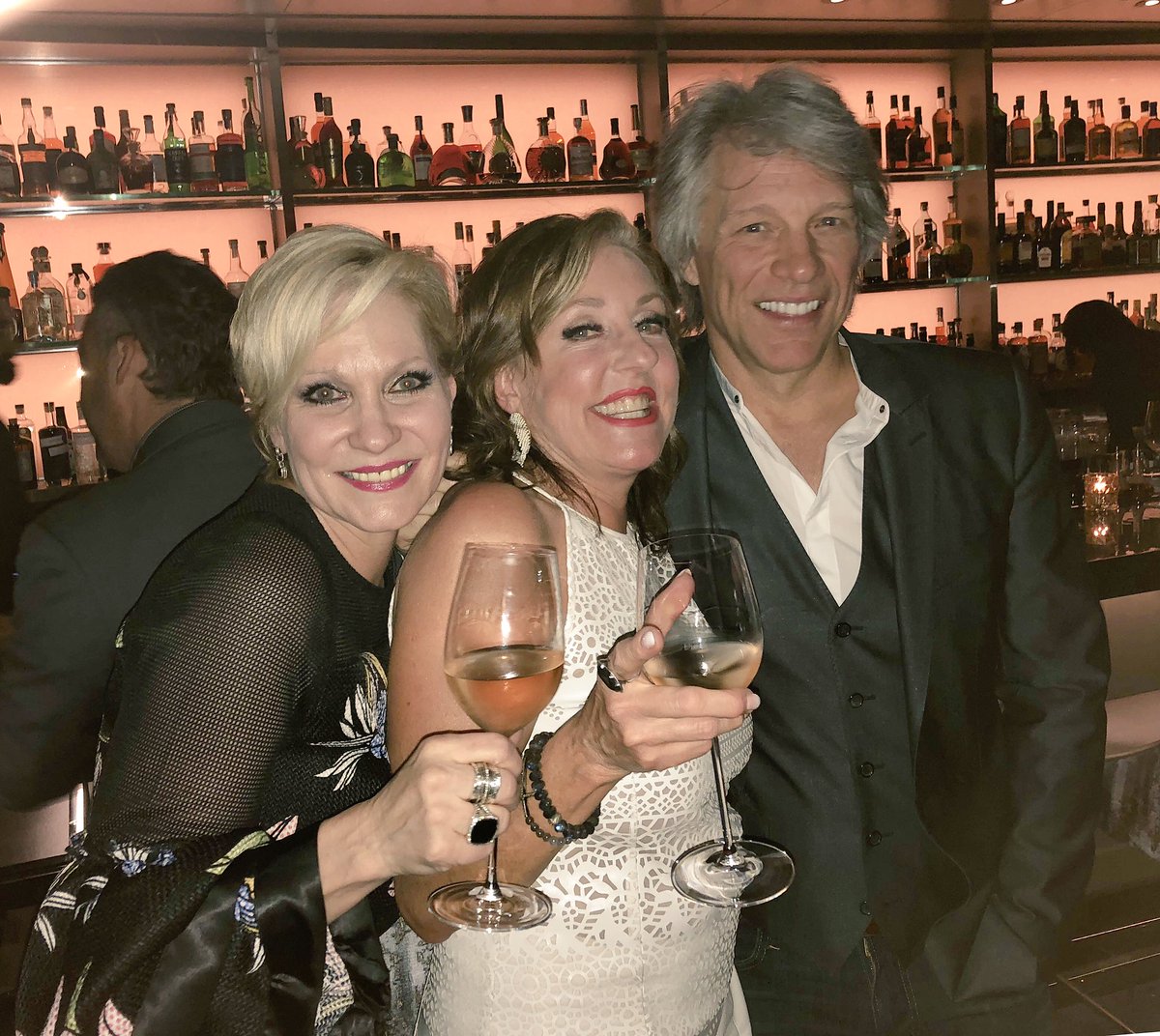
(Jon BonJovi totally approves of taking your dad to Mr. Coco for a cocktail)
Cocktail Dad: Mr.Coco LV

Cocktail Dad (Reggae/Dreadlocks/Rum Swillin’ Version): Jammyland

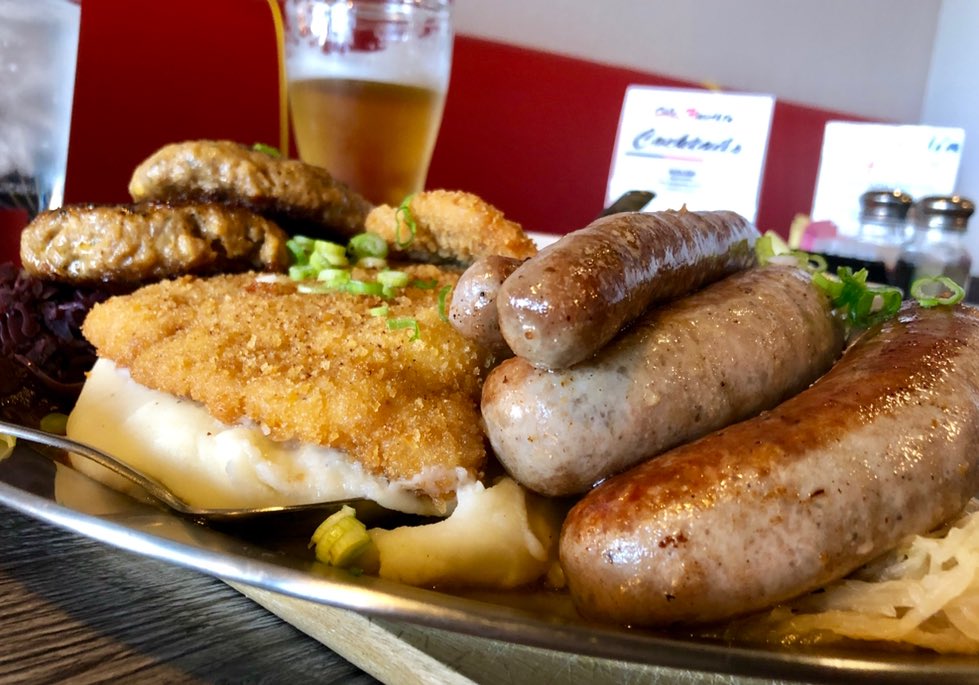
(Café Berlin is the wurst place you can take your father)
Wurst Dad: Café Berlin

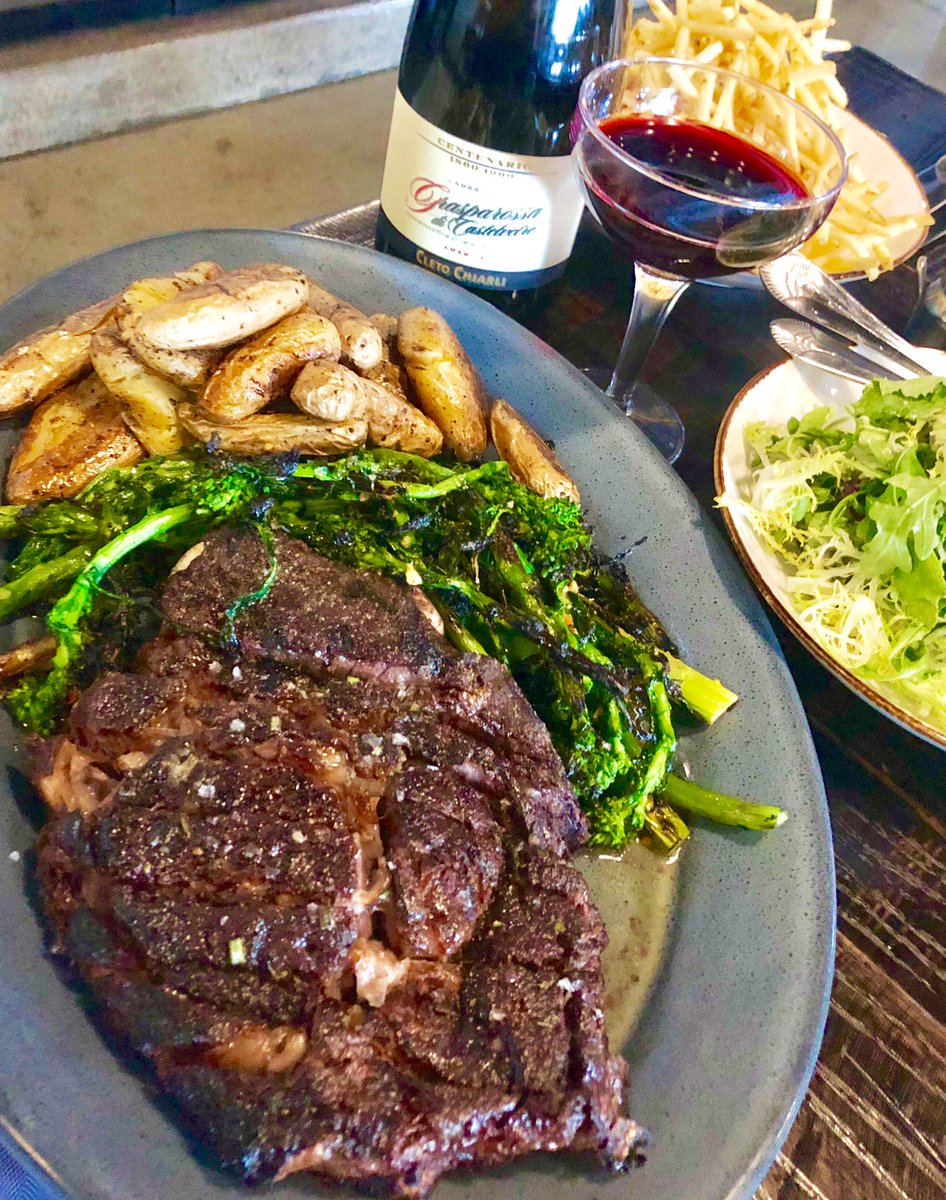
Steak Lovin’ Dad: Manzo At Eataly Las Vegas

Sushi Dad (Purist): Yui EdomaeSushi or Kabuto

Sushi Roll Dad: Soho Japanese Restaurant or Sushi Hiroyoshi

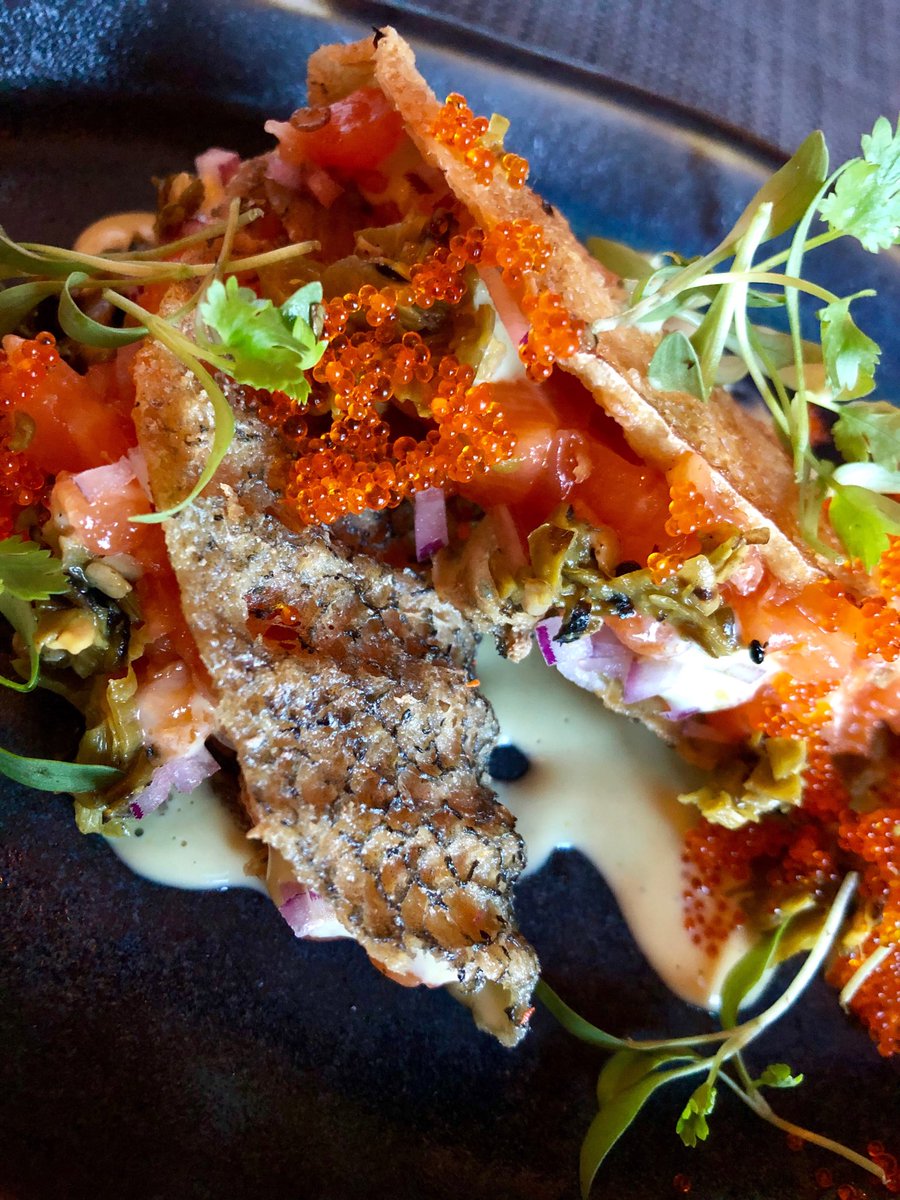
(Salmon skin tacos at The Black Sheep)

Fusion Food Dad: Japañeiro or The Black Sheep

Dim Sum Dad: New Asian Bbq or Ping Pang Pong The Chinese Kitchen

Dessert Dad: Sweets Raku

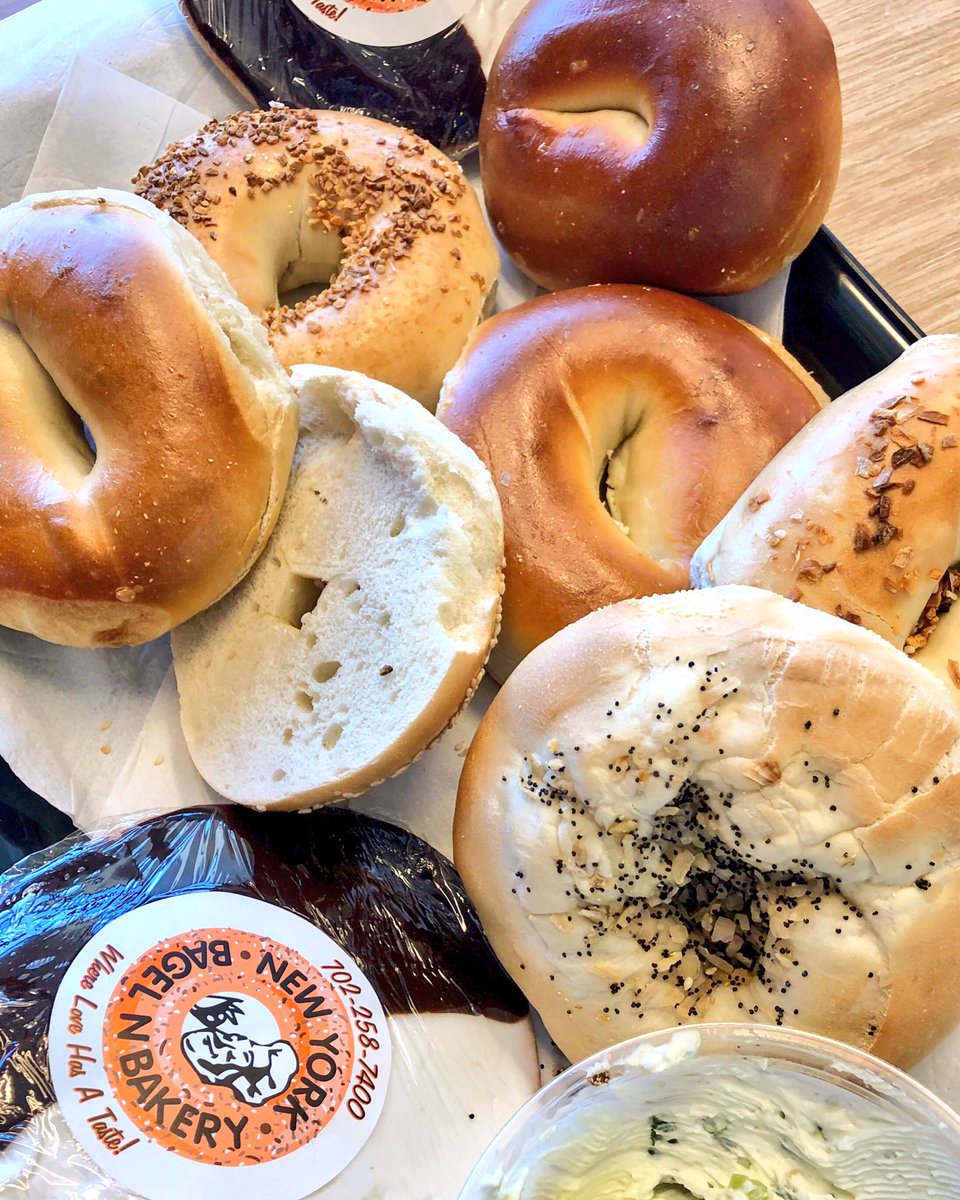
Yarmulke Dad: New York Bagel and Bakery

Happy Father’s Day to all you motherf*ckers out there!

THE BLACK SHEEP

Image may contain: 1 person, food

Jamie Tran is no bigger than a goi cuon. Her restaurant isn’t that large, either (50 seats), but between the two of them, these pocket dynamos are pioneering neighborhood dining in a big way.

The Black Sheep‘s modest dimensions belie its ambitions. Within you’ll find a small bar towards the back and a loyal following of local foodies who have turned this unassuming storefront (in another soulless shopping mall, natch) into a a mecca for a unique blend of Asia-meets-American eats.

The restaurant is named after Tran’s familial nickname, but meeting her, you’ll have a hard time wondering where that reputation came from. Tran is as bubbly as a glass of Prosecco, with a smile as wide as one of her luscious, cross-cultural pancakes. She can talk your ear off about food, family, or the fun she has running this restaurant, and the enthusiasm she brings to the conversation can be tasted on the plate. That a female chef this young has made such a big splash on our local restaurant scene is no small feat.

(Honey, toast me some hot chicken)

Calling her food all over the map is an understatement. But this is one time the term “fusion food” fits. Tran takes salmon skins (at the top of the page) and turns them into tacos; perfumes her duck confit with lemongrass; and punctuates Indonesian corn fritters with mango salsa. There’s not a metaphor she doesn’t like to mix, which may first strike you as odd, but after a bite or two, as you’ll be calling it spot-on delicious in a “I never thought of that” sort of way.

Dishes as diverse as duck prosciutto salad, Thai basil shrimp ceviche, and “hot chicken”  on honey toast all come at you from multiple directions, but once in the mouth, they all make sense. Tran is playing with her food, to be sure, but she’s equally at home sautéing vegan Vietnamese noodles, deep-frying a whole trout, and braising a lamb belly…after spicing very French flageolet with the scents of Vietnam.

(Picky palates prefer puffy pancakes)

If that’s not enough to pique your palate, then there’s her brunch — a meal most of us epicureans love to hate. The most confusing of meals (booze for breakfast? dessert for lunch?) is usually caloric and boring beyond words. Somehow, in the Tran oeuvre, it achieves angles of interest — from the ordinary to the oblique — that will keep you fascinated.

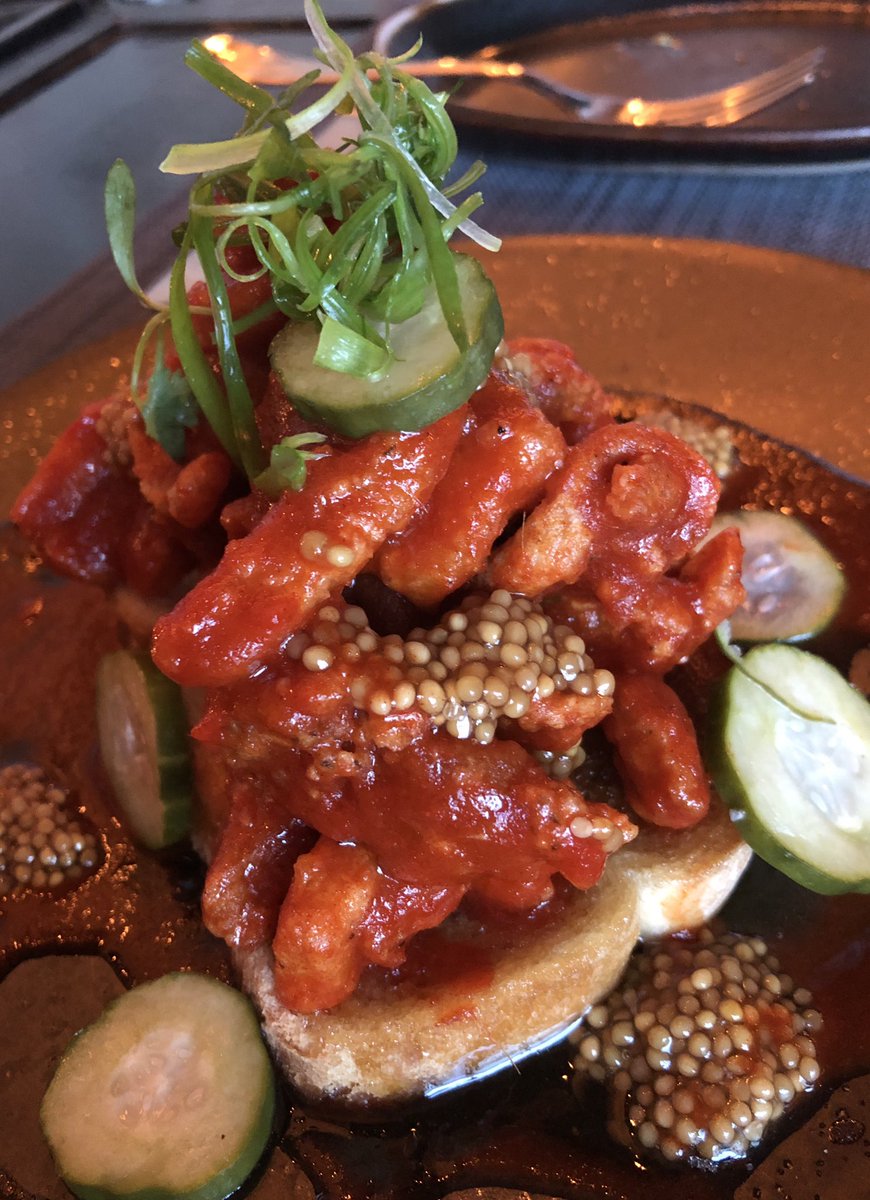
The ordinary starts with old reliables like challah French toast and chicken and waffles, which quickly announce themselves as anything but old hat standards. The eggy-yet-light toast gets a brandy syrup bath, eggs Benedict lie over meltingly-rich, soft ropes of lemongrass short ribs, and Tran’s hot chicken goes full kaarage — managing a sweethotsoftcrunch from chicken set off by mustard seeds, fermented cabbage, and sriracha.

You can also go with traditional steak and eggs here (Creekstone Farms beef being topped and a fried egg), or a perfect soufflé pancake (above), or watch Tran indulge her heritage with deep-fried Vietnamese Imperial rolls, given a boost with better ingredients (Duroc pork, briny shrimp) than you’ll ever find in a same old same old pho parlor.

Image may contain: food(Bao before me)

If there’s a signature dish on the menu, it’s probably the hot chicken, but the crackling Imperial rolls, and bao sliders (above) — made with housemade pork sausage — give it a run for your money.

The sausage gets its kick from fish sauce, the sliders cover all the flavor bases with their adornment of oozing quail egg, crispy shallots, and jalapeño-spiked aioli. You won’t find a more soothing mini-bite anywhere in Vegas.

They do serious cocktails here, too (doesn’t everyone these days?), but bargain-hunting oenophiles know the wine list is the real libation star. Owner Andy Hooper is obviously on a mission to bring good bottles at affordable prices to his ‘hood, which explains Veuve Cliquot champagne at $95, and Gaja ‘Promis’ for $90 — marked up at double the wholesale price, not triple the retail, like they do eight miles to the east. By-the-glass offerings all hover in the $10 range, and there’s even a selection of funky amaros for Italophiles who are into that sort of thing (like yours truly).

Image may contain: food(Mexican-Vietnamese is a thing? Who knew?)

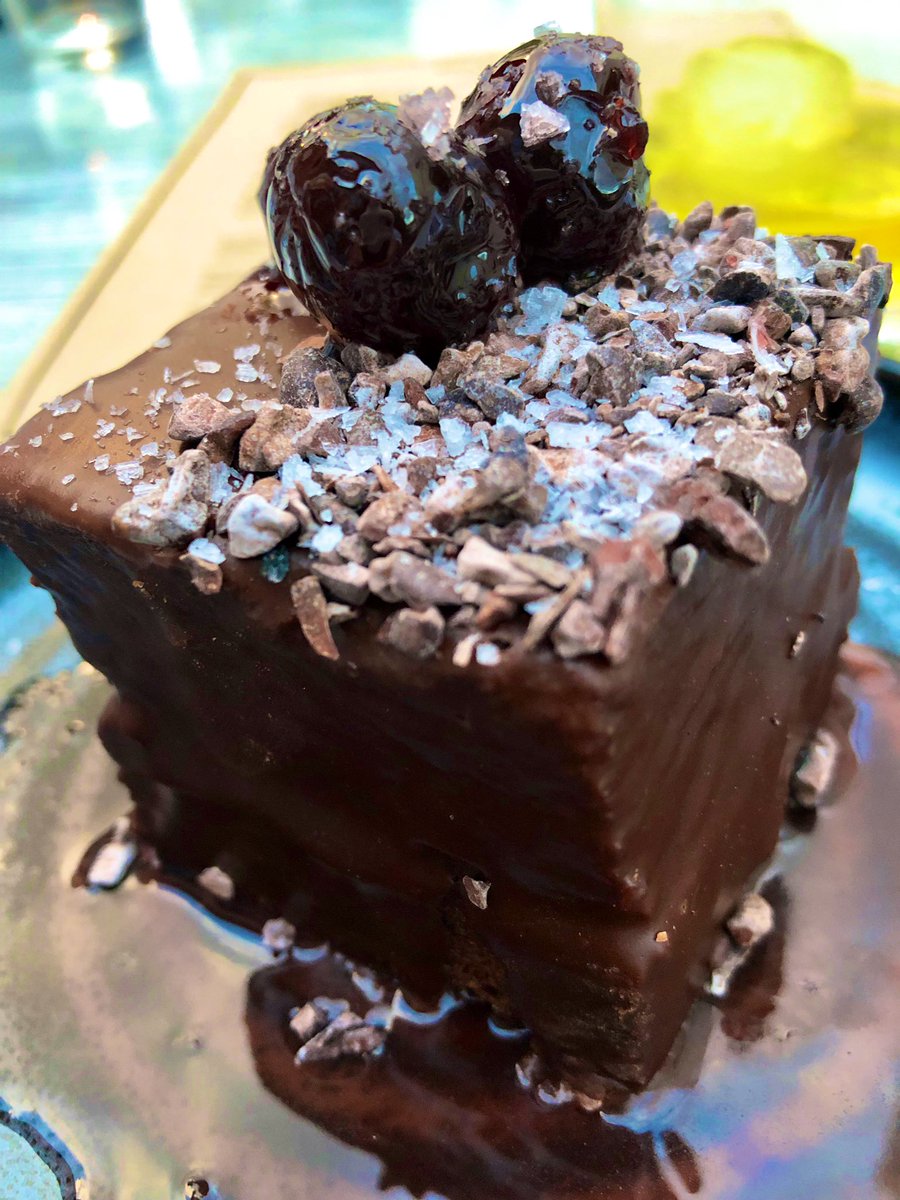
Tran does double duty as pastry chef in a tiny kitchen that used to be a sandwich shop, so desserts tend to be limited in number. When she’s doing it, the chocolate tres leches cake (above, beneath a bird’s nest of chocolate thatch)  is not to be missed, nor should you pass on her macarons, cheesecake or persimmon bread pudding.

The Black Sheep calls itself a “New American Kitchen,” but it’s not like any American kitchen you’ve ever been in, or Vietnamese one, for that matter. What it is is American food filtered through the sensibilities of an Asian American who is equally at home blending the two cultures on a plate. In doing so, Jamie Tran is paying homage to both cuisines, and inventing a new vocabulary of restaurant food. She’s not the only chef doing it (Khai Vu at Mordeo and Kevin Chong at Japañeiro also spring to mind), but she’s one of the few doing it in Las Vegas. (No one on the Strip has the gumption or the chops to try to duplicate these highly personal brands of hybrid deliciousness.)

The Black Sheep is much more revolutionary than people realize. It is the direction in which all American food is headed. We are a deeply cross-pollinated society and our cuisine should reflect that. More and more it does, and chefs like Jamie Tran are leading the way.

Image may contain: 1 person, smiling, sitting and indoor
(Starters run $6-$12, with mains in the $15-$30 range. Two people can dine very well here with a good bottle of wine or a few drinks for well under $150 — half that if you share a couple of dishes. Brunch is a steal for cooking this good.)

THE BLACK SHEEP

8680 W. Warm Springs Road

Las Vegas, NV 89148

702.954.3998

TATSUJIN X

Anyone who knows me knows I’m nuts about Japanese food. I was crazy about it for years (decades really) before I actually went to Japan.

For me, going to Japan was like having sex for the first time — something I thought about, read about, and fantasized about before it really happened. Then, once I went, I realized what I’d been missing. And like a love-struck teenager, all I could do was fantasize about doing it again.

It was in Tokyo when I realized that eating Japanese food in America was really nothing more than foreplay — most Japanese food here being but a teasing, pornographic representation of the real thing. The real deal envelopes you, transports you, titillates the senses and pleases the palate in ways that get lost once the recipes travel across the Pacific. (A country obsessed with fresh fish and umami will do that to you.)

But as with many things edible and Asian, things have improved immeasurably over the last decade. Our finest Japanese places — Kabuto, Yui Edomae Sushi, Raku, Kaiseki Yuzu, Monta, et al — do a fine job of recreating the food of their homeland. Thanks to an influx of dedicated chefs (and the wonders of air freight), faithful re-creations of noodle parlors and intimate sushi bars are now in our backyard. The fact that many of them are tucked away in odd locations only adds to their verisimilitude.

(A good rule of thumb when looking for the genuine article in Japanese food is to look for any Japanese word in the title of the restaurant. ( Korean-owned “Japanese” restaurants usually just slap the word “sushi” up there, knowing everyone will come for their California rolls.) Any nebulous Nippon nomenclature generally is a good sign, even if it tells you nothing. Because when it comes to most things Japanese, the more obscure something is, the better. )

And it doesn’t get much more obscure than Tatsujin X.

(Poetry on a teppan)

Stuck in the middle of an old strip mall in the shadow of the Palms Hotel, Tatsujin X (the name means “master”) is the most recent addition to our expanding catalogue of authentic Asian eats, and might be the last word in nondescript eateries. Only the noren cloth awning out front gives you a hint that something strange and wonderful lies within. As in Japan, the signage tells you nothing but the name.

Those in the know will discern its name to denote the teppanyaki cooking of Japan — the flat, steel griddle (teppan) upon which various foodstuffs are grilled, broiled or pan-fried (yaki). Call it a teppan or plancha or good old frying pan, what you get is food prepared on a hot, smooth metal surface upon which a dexterous chef can work wonders.

The showier aspects of this food gave rise to the post-WWII Japanese steak house craze, where knives got thrown and food got flamed, all to the oohs and ahhs of prom dates everywhere. But crowd-pleasing this place is not.  Tatsujin is to your average “Japanese steakhouse” what Jiro Dreams of Sushi is to Beer Fest.

Think of Tatsujin as Benihana with a PhD.

What Grand Chef Yoshinori Nakazawa aims for at this bare-spare 13 seat counter is not the applause of wet-behind-the-ears teens or well-lubricated tourists. He is shooting for appreciation on a deeper level: the sort of gratitude bestowed by black belt epicureans who know the right stuff when they taste it. And what they taste is an 8-course meal like nothing in Vegas.

You have to go to a Shinjuku alleyway to find food this good, starting with a “chef’s choice” platter (above) of a crispy sawagani crab  flanked by a bright salmon tartare, spicy edamame beans, a soy salad and meltingly tender strips of barely-grilled rib eye. All of it sets you up for a well-paced courses to come, from a sparkling wakame (seaweed) salad, to a dashimaki-tamago omelette gently wrapped around strands of king crab and oozing sea urchin. If there’s a bigger umami-bomb in town than this egg concoction, I’ve yet to find it.

(‘erster innards – yum)

As you’re swooning from the seafood omelette with its cross-hatching of mayo and sweet ponzu sauce, you’ll notice the seafood star of the show: a Brobdingnagian oyster the size of a filet mignon. It is designed to intimidate the most ardent ‘erster eater (me), and it does.

These five-year old beauts come from Washington State, and are not meant to be slurped, but instead, they are meant to be grilled and sliced…the better to see and taste all that fleshy bivalve muscle and those oyster innards. (There’s no way around it: what you see and eat are the oyster’s intestines. The good news is the only thing they’re filled with is algae and other microscopic sea veggies.)

Before you get to that big boy, however, you’ll first be served a hot, oily broth containing big, meaty chunks of clams. One of my dining companions called it a clammy bagna cauda, which pretty much summed it up. Both of these sweet bivalves will have seafood lovers in hog heaven. Less adventuresome types should take their favorite intrepid foodie friend along to share what they can’t handle.

From there you’ll move on to simple, teppan-grilled vegetables which act as an intermezzo to the proteins.

(Strip-san meet Rib eye-san)

Three steaks are offered (fillet, rib eye, strip), with a forth of imported Japanese wagyu for a $35 surcharge). Sea bass (excellent), salmon (good) are a bone thrown to non-meat eaters. Both are perfectly fine pieces of fish, well-handled and cooked, but they sort of miss the point of the joint. The steaks are the stars here, and they are lightly seasoned and gently cooked as perfectly as beef can be. There’s no denying the melt-in-your-mouth appeal of the expensive wagyu, but my Japanese friends profess to like the denser, beefy quality of the American “Kobe” better. Either way, the cuts are seared to a level of subtle succulence you don’t achieve with the pyrotechnics of charcoal grilling.

(American rib eye)

There probably should be a chicken option too, but as soon as Nakazawa starts trying to please everyone, this place will lose the vibe that makes it so special. The specialness comes from remaining true to the single set, coursed-out meals that defines many small restaurants in the Land of the Rising Sun. Japan is not a “something for everyone” culture — not eating-wise anyway. Restaurants do what they do well, and you’re expected to value them for their individual styles of cooking, not demand that you want something “your way.” This is going to be a challenge for Tatsujin as it moves forward.

However you like it, there’s no way to improve upon the final savory course. Choose either a thick, pork-filled okonomi-yaki pancake (above), or garlic rice. Both will have you dropping your chopsticks in awe. The pancake, served with waving katsuobushi (bonito) flakes dancing atop it, would almost be a meal unto itself somewhere else, and the garlic rice is a testament to great food coming in deceptively simple packages. It’s not much to look at, but soothing-sweet-nutty garlic permeates every bite of the sushi-quality grains. This is a grown-up rice dish for connoisseurs of starch.

Desserts are three in number and very Japanese. If you’re very Japanese, you will love them. If you’re not, stick to the ice cream.

To recap: Tatsujin is basically a fixed-price, fixed-meal steakhouse. (In Asia they call these fixed-course meals “sets.”) You pay one price (from $50-$70) and you receive eight dishes, four of which give you some choice (salad, protein, and whether you want the pancake or the rice, and dessert). It is not a menu for picky eaters; nor is it a place to take someone who demands to know whether they will “like something” before they order it. The whole idea behind teppanyaki restaurants is to sit down, enjoy the show and let the chefs work their magic.

Sitting at the bar watching the chefs work, I felt like I did in January, 2008, at the early days of Raku. Then, I was watching the birth of a new kind of restaurant — one that plugged into a new, sophisticated zeitgeist of budding internet gastronauts learning about Japanese food. Will Tatsujin be the next Raku (albeit with a much more limited palette)? Or will it be another Omae (remember it?) — a genre-bending, ultimately unsuccessful attempt to broaden Las Vegas’s Japanese food cred?

Only time will tell, but we are a much more knowledgeable food community now than we were ten years ago. Our Japanese food scene has also increased exponentially since then. The time would seem to be right for us to embrace this sort of cooking in this sort of restaurant. Tatsujin is now our most unique Japanese restaurant and steakhouse, and it is certainly the closest you can get to Tokyo without flying there.

(The prices above do not include beverages, but as of this writing only water, tea and some soft drinks are offered. You can BYOB but they ask that you tactfully hand your covered bottles to the staff upon entering, and they will pour your (beer, sake, wine) from the kitchen into ceramic cups as you request. For the quality of the meat and the cooking and the show, and all the attendant dishes, this place has to be considered the best steak deal in town. One of our meals was comped, the other, with the Japanese wagyu surcharge, came to $225/two, including a $50 tip.)

TATSUJIN X

4439 W. Flamingo Road

Las Vegas, NV 89103

702.771.8955