The Covid Diaries – Vol. 8 – The Shape of Things to Come

robot serving GIF by The Venture Brothers

Day 31, Wednesday, April 15, – What’s Next?

Assuming any are around a month from now, restaurants surviving this coronapocalypse will face a strange new world of less customers. freaked out diners, intense public health scrutiny, and a depleted workforce.

All this while trying to resurrect their economic lifelines and deal with supply chains in ruins.

When it comes to Las Vegas, there’s really two conversations to have here: one about off-Strip dining scene (You remember it don’t you? The scene that was starting to boom over the past three years?), and the Strip, with its hundreds of food outlets serving (primarily) our tourist economy.

For purpose of these predictions, let us concentrate (mostly) on trends which will affect both.

There are no crystal balls at work here, and some of these are beyond obvious, but they bear reminding to brace yourself for the brave new world in eating out that’s right around the corner.

And for the record, it would please us no end if we are proved totally wrong on all of them. Well, almost all of them.

Fewer Diners

Everything’s about to shrink: customer base, restaurant seating, booze consumption, and profits. Those people you see dancing in the streets? Bankruptcy lawyers.

Shorter Menus

Every menu in America that isn’t a Chick-Fil-A has just been cut in half. Many will stay that way. Shorter menus are great for many reasons, but mainly because you can spend less time ordering and more time worrying about that cough from four tables away.

Close tables

Cheek-by-jowl jostling with strangers over a plate of steak frites has gone from good to gauche. Huge Strip restaurants will reduce capacity (e.g. 300 seat places (like Mon Ami Gabi) will suddenly find themselves with a third less tables. Tiny neighborhood joints will feel the pressure too. Guess which ones will be hurt the most?  A fifty seat mom and pop cracker box can’t make a profit if it’s cut in half. No word yet from the epidemiologists on the disease-catching horrors lurking in back-to-back booths.

Buffets

MGM to temporarily close Vegas buffets as virus precaution

Put a fork in them, they’re done. Deader than Julius Caesar. Forget about sanitary masks and table-spacing — after this world-wide freakout, no one’s going to want to stand in line with hundreds of strangers while waiting to eat….much less handle a serving spoon that’s been touched by fifty filthy kids.

Opposing view: Death by calories will not dissuade these eager over-eaters from their orgies of excess. Buffets and Covid19 have a lot in common: both are vaccine-proof and impervious to common sense — always ready to stealthily reinsert themselves into our defenseless body politic as soon as our sneeze guards are down. The same credulous fraidycats  who bought the coronavirus scare wholesale will be only too eager to resume shoveling AYCE into their pie holes, as soon as some authority figure says it’s “okay”. Catching a virus may have terrified them in the short-term, but government can stand only so long between a man and his third dessert.

Loud and Crowded Goes Kaput

A corollary to “close tables” above. Three-deep bars and people screaming to be heard will be seen as toxic. In well-spaced, too-quiet places, expect people to start yelling across tables just for old time’s sake. Baby Boomers, mostly.

Communal tables

No one will want to dine next to strangers anymore. From now on, people will let public health doctors tell them how they should sit and socialize —  in the same way we let dentists tell us what food to chew, and gynecologists dictate who we should sleep with.

Smaller Plates

Here’s one we’re on the fence about.  Will portions shrink to reflect tougher times? Or will the good old “blue plate special/meat and three” make a comeback? In other words, will gutsy food replace preciousness? One thing’s for sure though, there will no longer be restaurants centered around…

Share Plates

Shared plates (and/or everyone picking off a central platter) will NOT be a theme of most menus coming out of this. You might as well ask your friends, “Let’s go infect each other over dinner.” Even though it’s not true, you’ll get a lot of “Ewwww” at the very thought. If you want to eat communally, you’ll have to go Chinese. Possibly in a private room. Probably with a bureaucrat standing over your shoulder.

Tweezer Food
Image

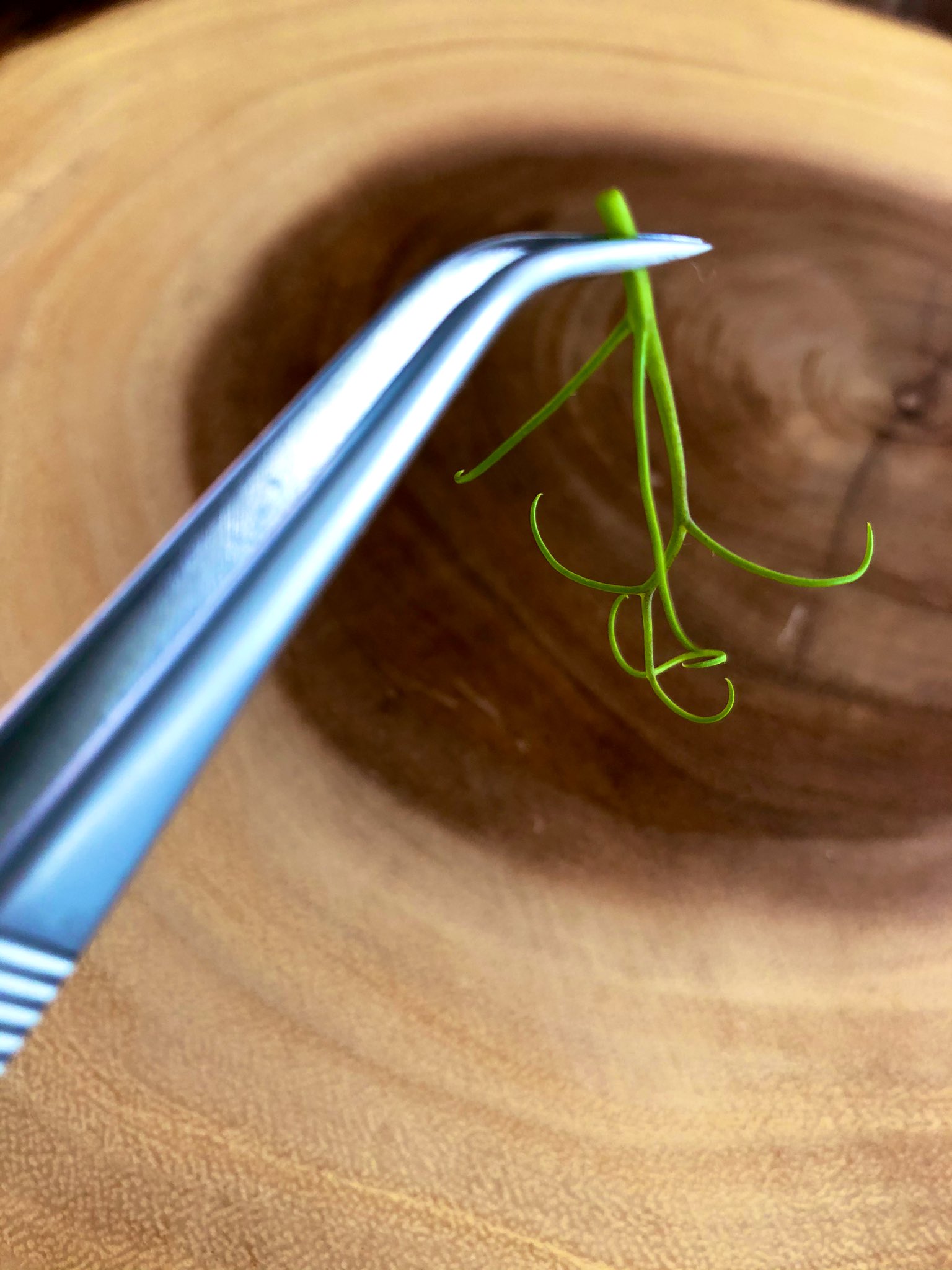
Can’t die a moment too soon. As Julia Child once said (when looking at a nouvelle cuisine creation): “You can just tell someone’s fingers have been all over it.” The absurdity of molecular cuisine will also perish in a sea of silly foam.

Unfeasibly Long Tasting Menus

Once the dust settles, the 1% will start flocking back to destination restaurants. Or will they? Something tells us all the “chef’s vision” malarkey — which has powered the World’s 50 Best for the past decade — will henceforth be seen as decadent. Simple, local cooking with good ingredients will replace three hour slogs through some overpraised, hipster chef’s fever dream.

Linens? Sanitary or Un-?

Personally, many who dine out often long for the days of real cotton napery and tablecloths. We prefer them to wet, slimy, cold, hard surfaces where who-knows-what has been smeared on it. Unfortunately, it’s a cinch the health Gestapo will mandate the constant wiping down of tables, and human comfort and civilized dining will one of the casualties….at least in America. We can’t imagine the old-school, haute cuisine palaces of France serving dinner on bare-bones tables…although some already do. The smart set will bring their own cleaning supplies….because nothing says “night on the town” like handi-wipes and a personalized spray bottle.

Sommeliers

Sad to say, but somms will be an endangered species in this new economy. Wine lists will shrink; prices will come down; and choosing a bottle will be between you and your wine app. This will save you money (on tips), and gallons of self-esteem points by no longer being humiliated because you don’t know the difference between a Malagousia and a Moscofilero. Idiot.

Wine/Bars
Image

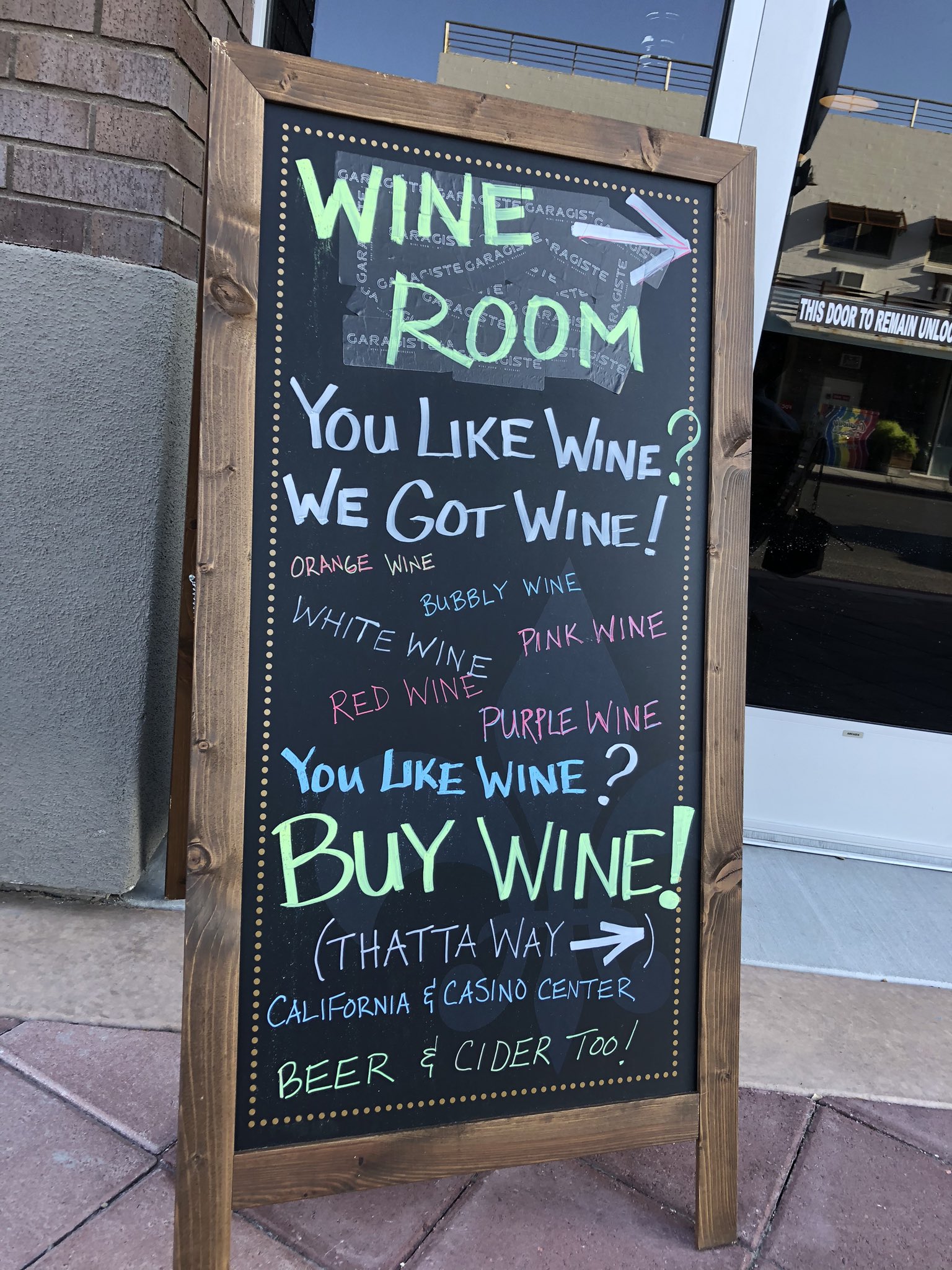
Expect wine in general to take a hit, especially the expensive stuff. Especially in America. The health nuts will try (and fail) to turn bars into fully automated spaces with all the charm of a DMV waiting room.

Celebrity Chefs

Their popularity has been shrinking for a while now. Is anyone dying to go to a Bobby Flay restaurant anymore? Even if Shark in The Palms is pretty good? El Gordo’s shtick will start (start?) looking stagey and superficial in the culture of asceticism to come. Not to mention the idiocy of $$$s being thrown at him/them by clueless casino accountants, just to see a famous name on a door. And because the cache of chefs has shrunk…

Bad Boy Chefs

…are probably a thing of the past, too. Ditto their tattoos…and tatts on waitstaff and barkeeps. In this hyper-hygienic, monochromatic, new world order, anything that smacks of personal expression and pirate rituals will not be a good look when it comes to selling vittles. Imagine a world where everyone looks like Barbie and Ken, right down to the lack of genitals, and you’ll get the idea. Sexy.

Asian food

Specifically Chinese food. Face it: America is racist, and many blame the Chinese government for this debacle. While the blame may be justified, this isn’t fair to Chinese-Americans or Chinese restaurants in America. But fairness has no place in post-Covid society. Once the tail starts wagging the dog, don’t expect the bull to go easy on the China shop.

More Plastic!

The world’s fear of viral infection will make clean freaks out of everyone. And this means more single-use plastic: gloves, Styrofoam, containers, take-home boxes, utensils, etc.. Germaphobes are going to have a field day “protecting” us from cooties….even if it means ruining our long term health and the environment. This is known in public health circles as saving your life by killing everything around you.

Take-out food 

Every operator thinks this whole pick-up/delivery thing is here to stay.  Doesn’t matter that all food tastes better when eaten right after it’s prepared. (The only exceptions are cold sandwiches and burgers…and even fast food burgers suffer from remaining too long in the sack.) Good food doesn’t travel well. Good food needs to be eaten as soon as it’s done. Human beings have known this for thousands of years. But because of this shutdown, restaurants will try in vain to prove otherwise. Eating take-out from a good restaurant is like watching a blockbuster movie on an iPhone.

Automated food prep – robot chefs!
robots cook GIF

To those promoting AI cooking, conveyor belt sushi, automaton waiters, and  computerized everything, this Covid crisis has been manna from heaven. The only thing that will suffer from this automation will be your dignity and good taste.

Home Cooking….

…will NOT have a resurgence, Neither will bread baking. Why? Because cooking is hard and bread baking is even harder. Ain’t nobody got time for that.

Less late night/less bars/less luxury spending

Bottle service > dead. Ginormous nightclubs > toast. Dayclubs > history. Lounge acts and supper clubs (circa 1975) will be replacing them. You heard it here first: Once  Mel Tormé impersonators get rolling, Elvis imitators will seem cheesier than a Velveeta fondue.

Hygiene Obsession

MUCH GREATER EMPHASIS ON HYGIENE – of customers,  restaurants, and their staffs. Will everyone have to be tested before entering? Will your waiter be wearing a mask? Will all of these ruin your enjoyment of eating out by turning restaurants into the equivalent of hospital food being served by prison guards in a boarding school mess hall? Does the Pope wear a beanie?

Coffee and Cocktails Will Conquer
Image

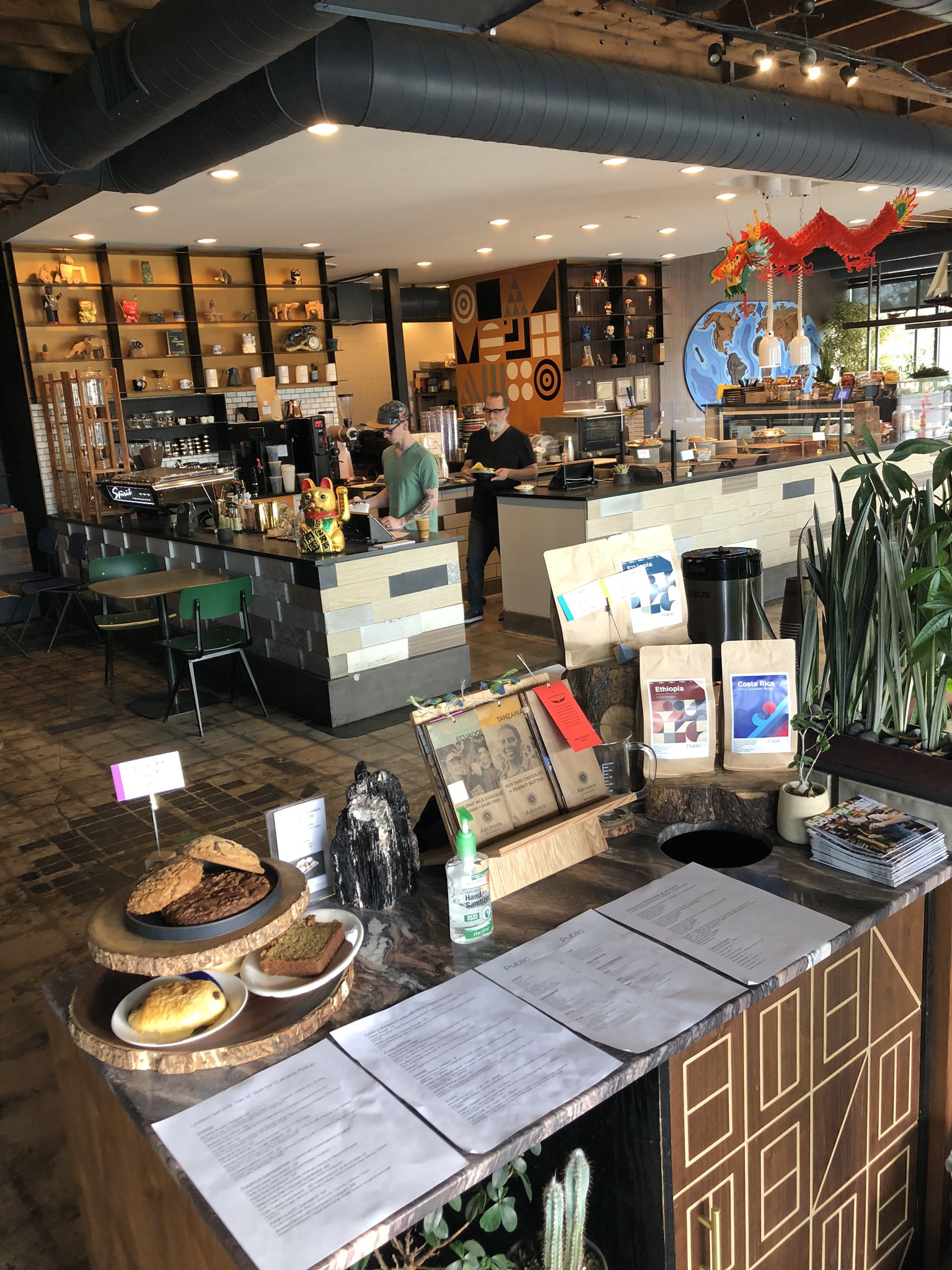
The first businesses to revive after this nonsense subsides will be coffee houses and cocktail bars. They will be the easiest businesses to ramp back up, and will provide a quick, cheerful respite from the misery that has enveloped society. Restaurants, especially mid-tier, independently-owned restaurants will have the hardest time of it. The catchwords will be comfort over creativity. And nothing is more comforting in trying times than a good cocktail…or a cup of coffee.

Critics get Cashiered

Reports of critics’ demise have been greatly exaggerated for over a decade, but this could be the final nail. The last straw. The icing on the funeral potatoes, if you will.

Image(You got what you wanted, restaurants: no more critics! But just think of the cost. Cheers!)


The Covid Diaries – Vol. 7 – Taking Stock

Image(If coronavirus predictions were a stock, you’d sell)
Day 26, Thursday, April 9 – Emotion v. Logic

Most people have succumbed to numbness by now. Which is just the way the government likes it.

The days click by with nothing happening, nowhere to go. We are prisoners in jail cells of our own making.

Don’t expect the birth rates to be up in 9 months. Caged animals don’t have much sex.

The tide is beginning to turn. Slowly, inexorably, the news is focusing more on the economic impact of the shutdown than on the virus itself.

Soon enough, we will hear how much it cost the 99% to save the 1%.

Even now, the trigger words and action verbs  that have been used to describe the coronavirus — “crisis”, “ravaging”, “war”, “devastating”, “battle”, “overwhelming” – are being applied to its aftermath.

Facts and logic are stubborn things. Obdurate and unyielding no matter the torrents of emotion thrown at them.

The facts are, day-by-day, establishing that the threat of the Covid pandemic was blown out of proportion.

Undeniably, though,  extreme, unprecedented harm has been done to the American economy and the lives of the healthy people who make it run.

As Michael Burry puts it so succinctly:

This is a new form of coronavirus that emanated from a country, China, that unfortunately covered it up. That was the original sin. It transmits very easily, and within the first month it was likely all over the world. Very poor testing infrastructure created an information vacuum as cases ramped, ventilator shortages were projected. Politicians panicked and media filled the space with their own ignorance and greed. It was a toxic mix that led to the shutdown of the U.S., and hence much of the world economy.

Politicians weren’t the only ones who panicked. Within about a ten day period last month, the media went from inquisitiveness to healthy skepticism to full bore hysteria. Fanning the flames of fear. Using scoreboards to chart the infection/rate, and basically scaring every American shitless about a virus that was “ravaging” America. (Never forget that the justification for this shutdown claimed 60% of Americans would be infected, and that 3% of those infected would die. Figures that now seem beyond ridiculous.)

Sports coverage and news media share one thing in common: they are all about appealing to emotions. You don’t have to go very far on the internet to see the media doing its greedy, sinister best to keep passions inflamed: “Deaths Soar”, Pandemic Catastrophe”, and “America’s coronacrisis has arrived” headlines are all over the place. Every famous person who dies “from Covid complications” is trumpeted to keep you riveted. No word, ever, of what other medical conditions they were suffering from.

The Atlantic, two weeks ago, predicted:

more than 1 million Americans would succumb to COVID-19 in the next few months. That is about as many people as the country lost in the Civil War, World War I, and World War II—combined.

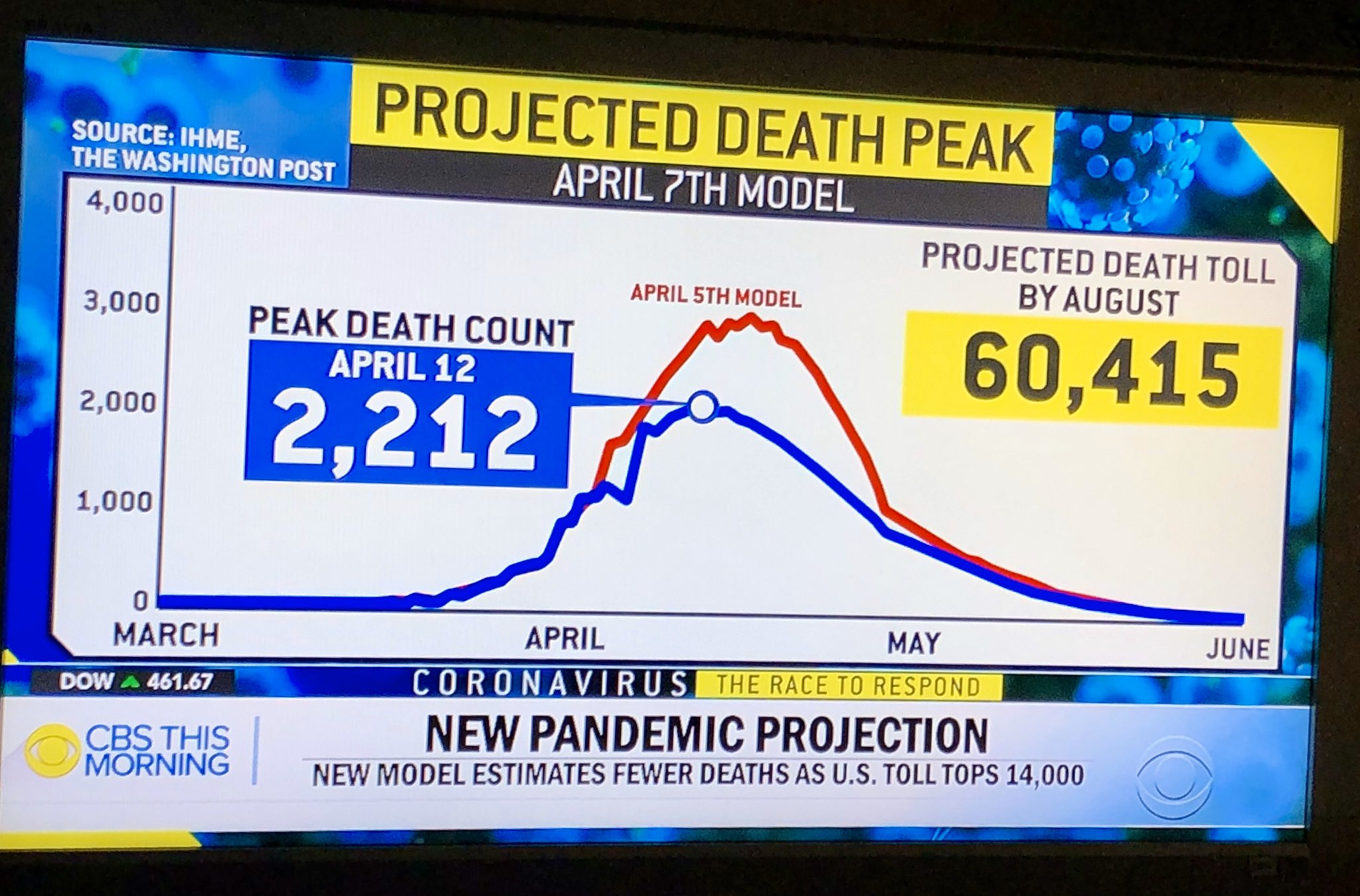
As of today, the US has 385,449 confirmed cases of COVID-19 infection. There have been 12,216 deaths. The prediction (all of which have been wrong so far) is now that approximately 60,000 people will die of this by August. No word from the “experts” about how many of those were already at death’s door.

Making it a contest (a “war” on coronavirus) did the trick. Everyone was either numbed into submission or galvanized into camps — tribalism writ large if you will — with degrees of virulence far outstripping anything the infection could have wrought. On one end you had the hyper-aggressive health Gestapo (liberals, mainly, oh the irony) yelling at people for walking down the street; on the other, there are the homeless, the clueless, and the working poor who didn’t give a shit. (The working poor, BTW, can’t afford to give a shit.)

In between there are the legitimately fearful, the concerned, and the sympathetic. Counterbalancing them are the skeptics and the economists who, when they’re not being shouted down by shutdown defenders, are trying to make sense of  what we’re doing to ourselves.

And then, of course, there are those seeking to make political hay out of this mess, which doesn’t do anyone any good.

A rational, logical argument against the continuation of the shutdown begins with citing facts. Here’s the way the arguments usually go:

When you point out that the confirmed infection rate of 0.12%. Not 12%. 12/100 of 1% — you get told, “it could’ve been far worse.” This is an un-provable assertion. Of course if you lock everyone in a dungeon, lots of bad things won’t happen to them. Only when they’re out of the dungeon can you properly assess the level of danger. In this sense, Sweden is the world’s “control group”, and why it’s treatment model is being looked at so closely.

When you point out a fatality rate of 0.0037%, you are bombarded with, “You need to see the devastation in the hospitals!”. To be clear, that’s 37/10,000 of 1%, of the entire population of America,

And when the worst case figure of 1.7% death rate (of those seriously infected, most of whom were old and sick) is pointed out, you can expect a barrage of, “What if it was your grandpa who was dying?” — always the sucker punch thrown when the reasoning round has been lost.

Also, what you never hear from the public heath pundits is that they have yet to find a cure for the common cold. Good luck finding a vaccine.

Some more simple statistics:

As of today, Sweden has 7,857 confirmed cases of COVID-19 infection. There have been 687 deaths.

The population of Sweden is 10,230,000.

That’s a confirmed infection rate of 0.08%, or 8/100 of 1%.

That’s a fatality rate of 0.01%, or 1/100 of 1%.

Much lower infection rate, higher fatality rate.

Aside from banning meetings of more than 50 people, and the usual hand-washing and cleanliness guidelines/suggestions, Sweden appears to have left their economy untouched. Bars and restaurants continue to operate, as do most businesses.

It all really comes down to a simple debate: Is the cure worse than the disease? And like all good argument, both sides are right….or at least have a plausible case to make.

On the one hand you have the sacrificing of the mental, physical, and financial health of an entire country to forestall the spread of a virus that appears very contagious and fatal to old, sick people.

On the other, you have an appeal to emotion and humanity.  As logically fallacious as the resort to emotionalism is, it is understandable. Viral infections are cruel, invisible beasts who work in the stealthiest of ways. These deaths are tragic. The short term strain on health care systems and professionals (in some areas) has been immense. But Covid has a long way to go before it competes with the Bubonic Plague as a contagion.

There is no winning this argument. Some will argue that the “curve flattening” was worth it. And that being human means no means should be spared to save (or prolong) lives.

But in the end, what will it take to justify the destruction of the American economy? Perhaps nothing. What’s done is done.  Appeals to emotion and a string of speculative “what ifs” were all that counted when this car was being driven off a cliff. Now, it’s in free fall. All we’re doing is trying to figure out how to pick up the pieces of something we didn’t need to destroy in the first place.

When the recriminations come, they will be ugly but immaterial. No one will admit fault; everyone will circle the rationalization wagons.

Who will be accountable? Does it even matter? Once you’ve shot yourself in the foot, why you pulled the trigger becomes irrelevant. Perhaps you’ll learn not to carry a weapon of fear around any more. Probably not. It’s fear that’s keeping you alive, you think to yourself, even after it’s killed everything around you.

The Covid Diaries – Vol. 6 – Saluting Caesar

Image

Day 21, Saturday, April 4 – Salad Sanity

You’re going to need a Caesar salad sometime during this shutdown, so you might as well learn how to make a proper one.

Like all things simple and exquisite, the difference between passable and preeminent is in the particulars.

This will not be your typical recipe. It will be an essay on salad excellence. Read carefully; go slowly. Forget everything you know or think you know about Caesar salads.

This is the only recipe you need. It hews closely to the original but is not note-for-note. When you’re done you will have a thing of beauty that can honestly said to be a real Caesar salad, not the lame imitations you get in 95% of the restaurants in America.

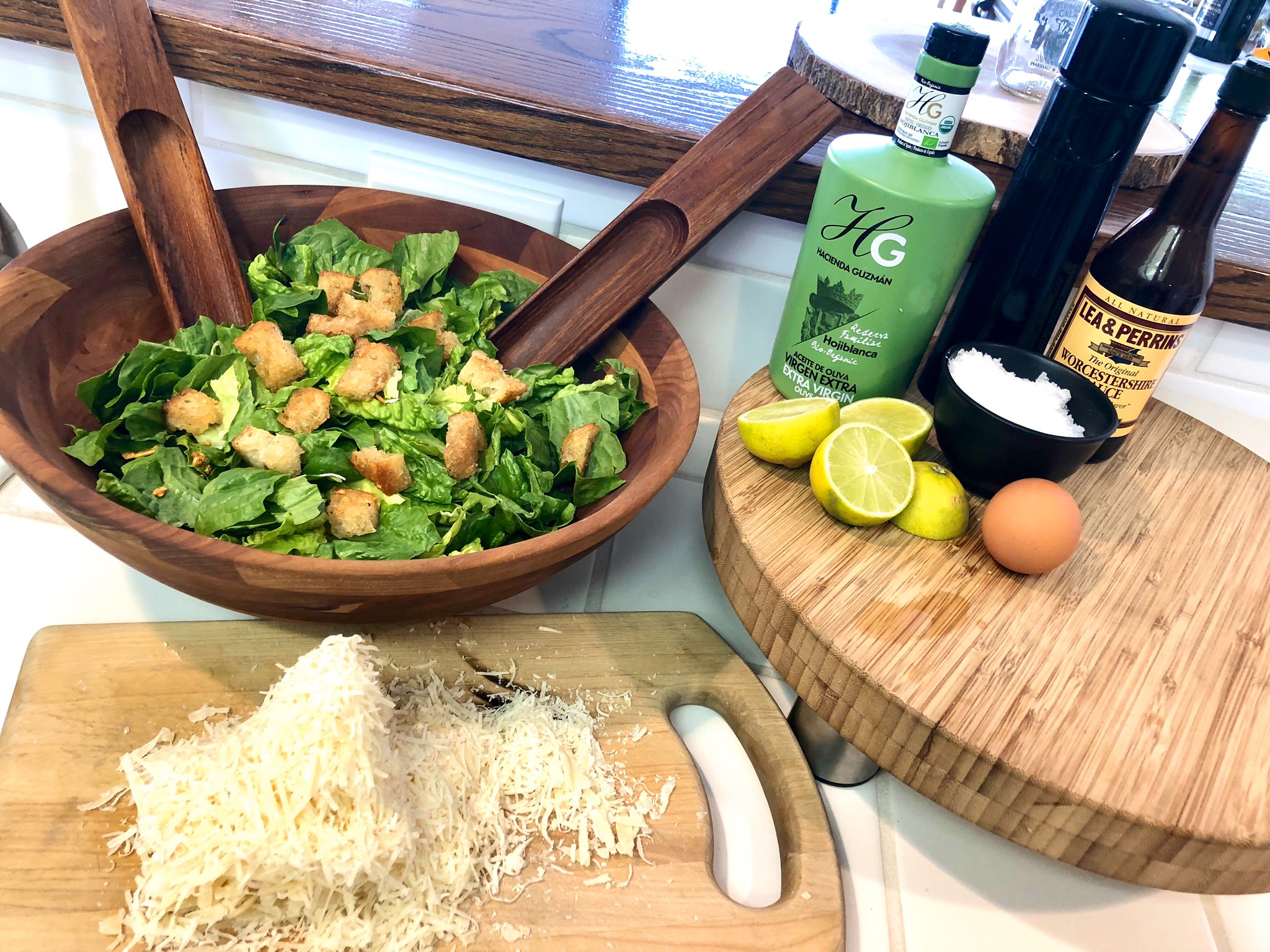
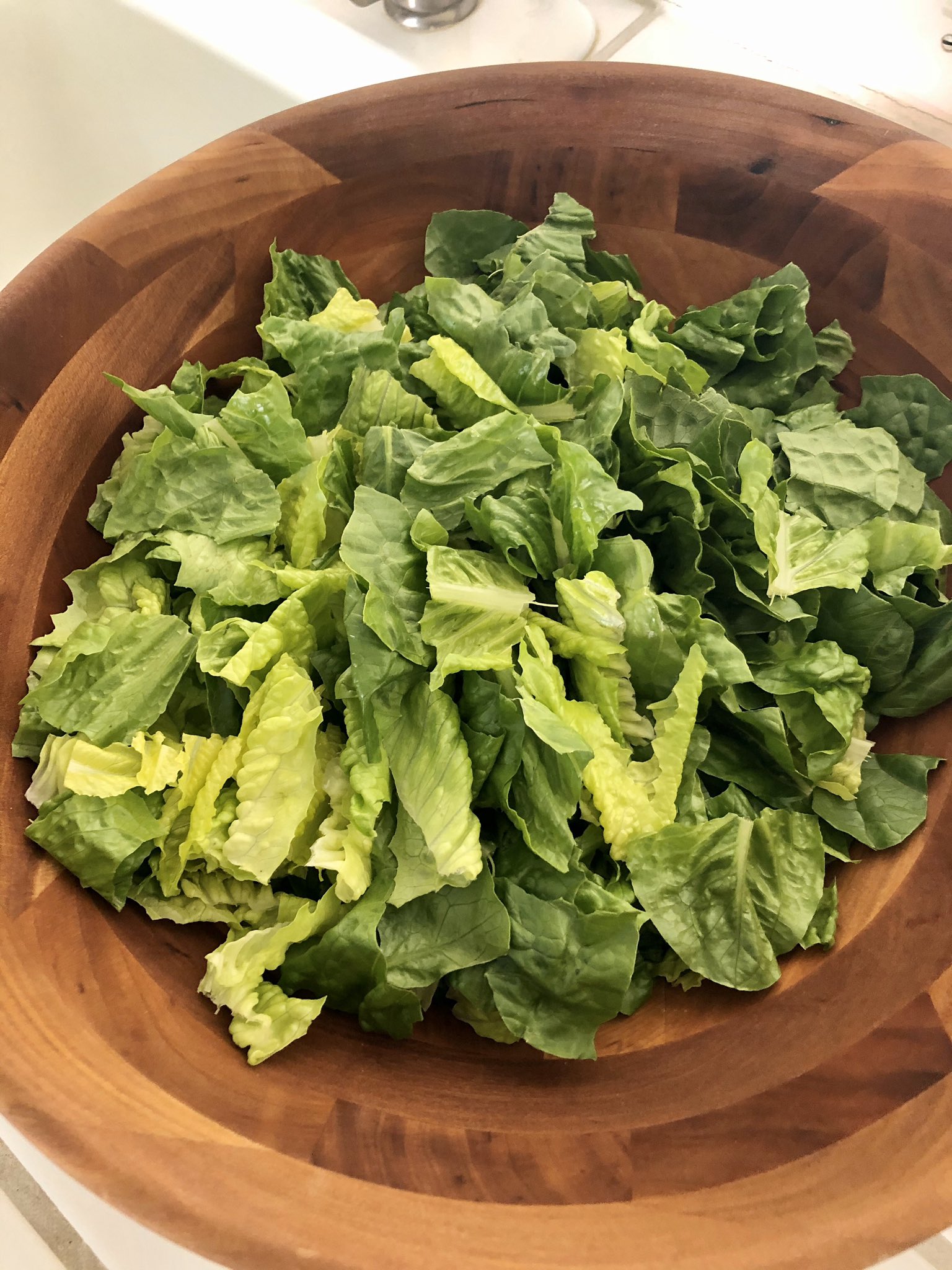
Step 1: Tear two heads of well-washed and dried Romaine lettuce leaves into a large wooden bowl

Image(It’s the wood that makes it good)

The leaves should be torn into large pieces. Anal retentive cooks remove the greens from the ribs, but the crunch of the ribs is really essential. The original Caesar was probably made from the smaller, firmer ribs in the center of the Romaine head. This is what Julia Child used in her “original” recipe in one of her early cookbooks. More recent video from Caesars Hotel in Tijuana show big-ass long flat leaves being used. (The salad in the video looks horrid, btw. More on this later.)

The problems with long flat leaves are too numerous to count. To begin with, they’re a bitch to eat. You have to cut them; dressing flies everywhere; you need a bib to enjoy yourself. Secondly, they eliminate all visual appeal —  it looks like is someone just threw long-ass lettuce leaves on your plate.

Many claim the original salad was made to be eaten with the fingers, hence the huge flat leaves being served today. This assertion doesn’t pass the smell test…unless you’re a lazy restaurateur trying to justify why you’re not bothering to tear lettuce leaves into edible sizes.

42 years of research have led to two conclusions: the “original” may have used much smaller, inner Romaine ribs, but by the 1950s, Alex Cardini (the inventor who named it after his brother Caesar), was telling people to tear the Romaine into large, bite-size pieces — the better to hold the dressing and thus, the piquancy which made the salad famous. Whatever they’re doing at Caesar’s restaurant looks more like cost-cutting than anything else.

The wooden bowl is essential. Don’t even think of using anything else.

If you don’t have a wooden salad bowl, any large one will do. Better too large than too small.

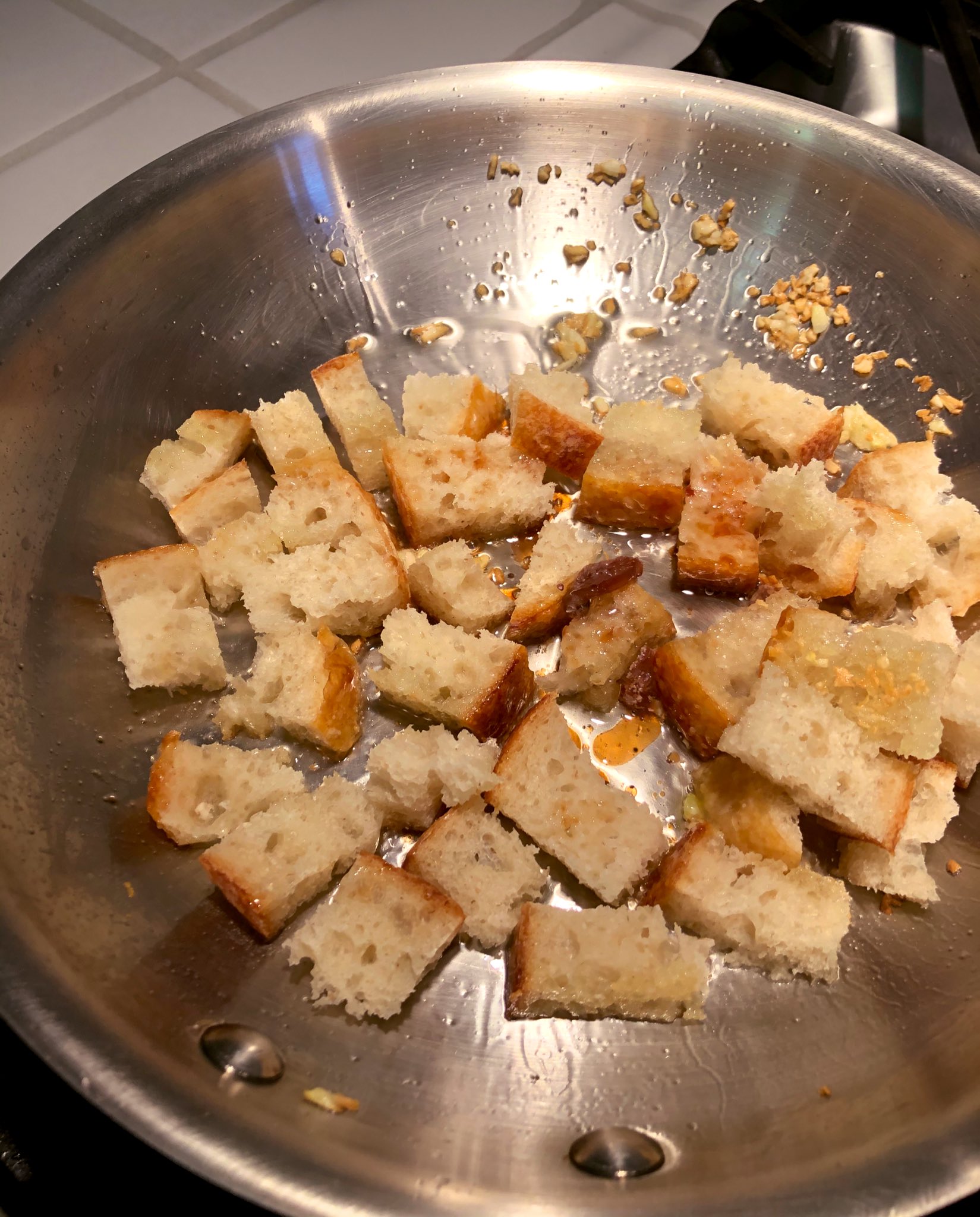
Step 2: Correct Croutons

Image(What does a great salad rest on? A crouton!)
Good croutons are as essential to a good Caesar as a toga or being knifed to death by sixty of your best friends.

There are several ways to make garlic croutons — dip already toasted cubes in garlic oil, fry the bread in garlic oil, or smear the bread with garlic paste, then toast it in the oven — but the horse’s mouth (Alex Cardini) was quoted in a 1976 cookbook (Entertaining With Wine – Ruth Ellen Church), as advocating toasting the large cubes of the bread, then dipping them in garlic oil, then spreading them with either anchovy paste or chopped anchovies. (Note: this is the only time in the “original” Caesar recipe that garlic and anchovies are mentioned.)

This same recipe mentions the croutons should be large, and about 4 per salad serving. It says nothing about just plopping a large slice of French bread on top of awkward-ass lettuce leaves.

To begin: slice some slightly-less-than-fresh French bread. (Good white sandwich bread can also be used.) You want your croutons crispy on the outside, with the barest hint of give and softness within. Hard-as-rock croutons are the sign of an amateur, or worse, store-bought. (Guilty admission: the person typing these words has used store-bought croutons on occasion. For this he is deeply ashamed.)

The croutons should be inch-to-inch-and-a-half rectangles, but don’t despair if they are irregular in shape. The main thing is, they shouldn’t be too small or big thick slices of lame-ass bread thrown on top of the salad.

Finely mince two fat garlic cloves. You do this by first smashing the cloves, then mincing them. Put them in the best, freshest olive oil you can afford (heated on low heat in a pan) for a couple of minutes, but be careful not to let them brown. Here’s where things get tricky. You can now lightly fry the bread in the garlic olive oil over low-moderate heat, but you have to watch it very carefully to make sure the garlic never gets past the barely-brown stage. This takes time and patience. An alternative method is to remove the garlic after it’s done its work perfuming the oil, and then fry the bread over higher heat without fear of burning the garlic. Or you can simply dip your toasted croutons in garlic oil (as noted above) and leave it at that.

Step 3: The Anchovy Question

Alex Cardini said each crouton should be spread with a schmear of anchovy paste. So does his granddaughter. Although she defaults to that big slice nonsense for croutons, and he is quoted as saying they should be smaller cubes or rectangles. However you like your bread-y salad accoutrements, we now agree they should have some anchovy paste on them. Or can we?

John Mariani, in his American Dictionary of Food and Drink says “no anchovies in the original” because Caesar Cardini disliked them (“argued against the inclusion of anchovies”), but that they “evolved” into the salad over time.

James Beard was such an anchovy aficionado he put 24(!) of them chopped into the dressing for a salad for six. Mexican food maven Diana Kennedy interviewed Alex Cardini Sr. (the brother who claimed he invented it) shortly before he died, and adds six of the little suckers to a garlic-anchovy paste to spread on the croutons.

These disputations have all the elements of a long-simmering family feud (akin to who was the Original Famous Ray?) to which you should brook no attempts to sway you to one camp or the other. Anchovies have indeed evolved into the recipe and are part of the salad today, no matter what history seems to argue.

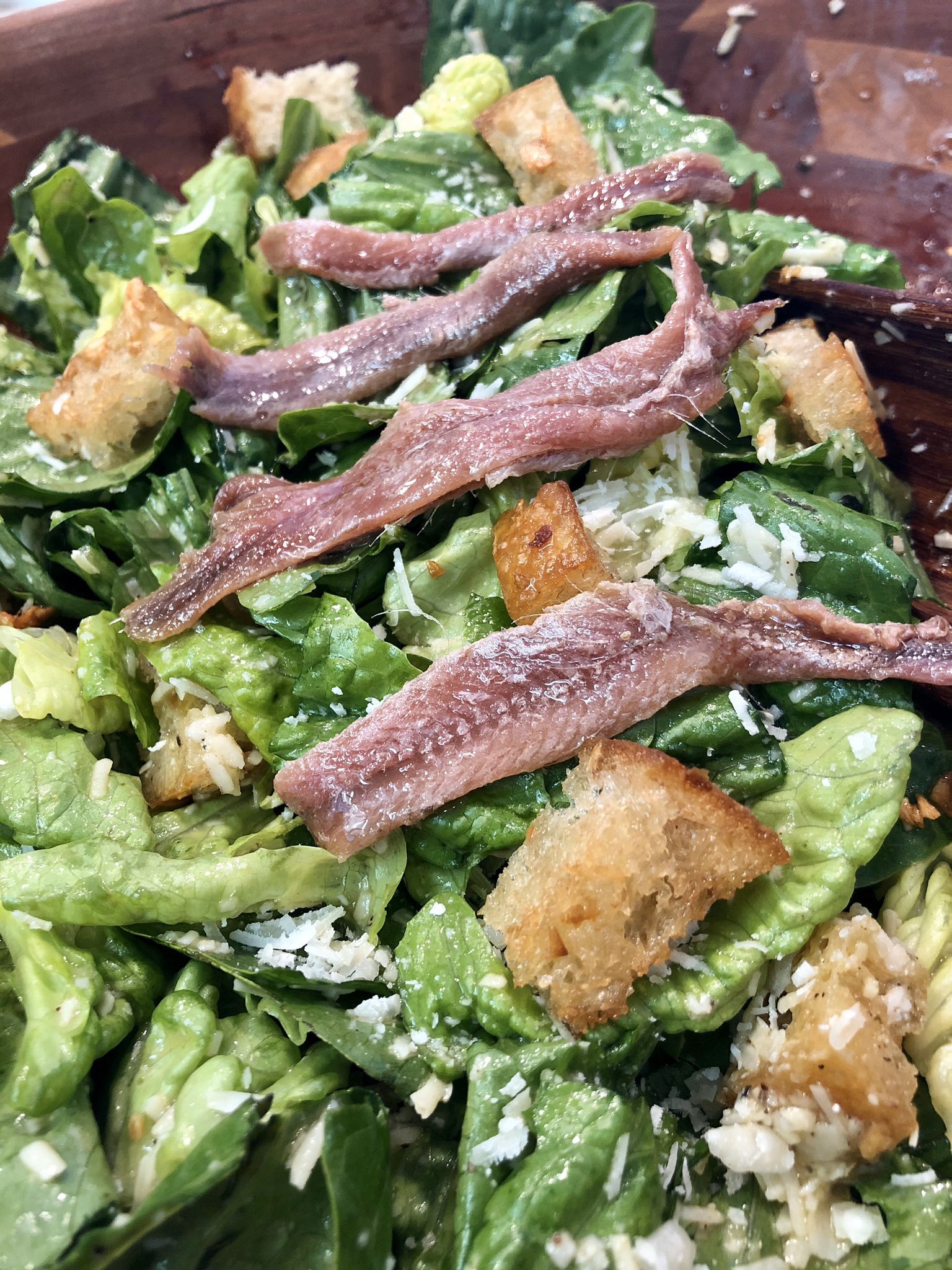
When it comes to your salad, you will want to either do the schmear thing, or mash up a few of them in the bottom of the salad bowl, or do both. Some people like to strew a few on top of the salad. These persons are called enlightened, impeccable epicureans of the highest moral order.

Image(Sofishticated)

Step #4 – Grate Expectations

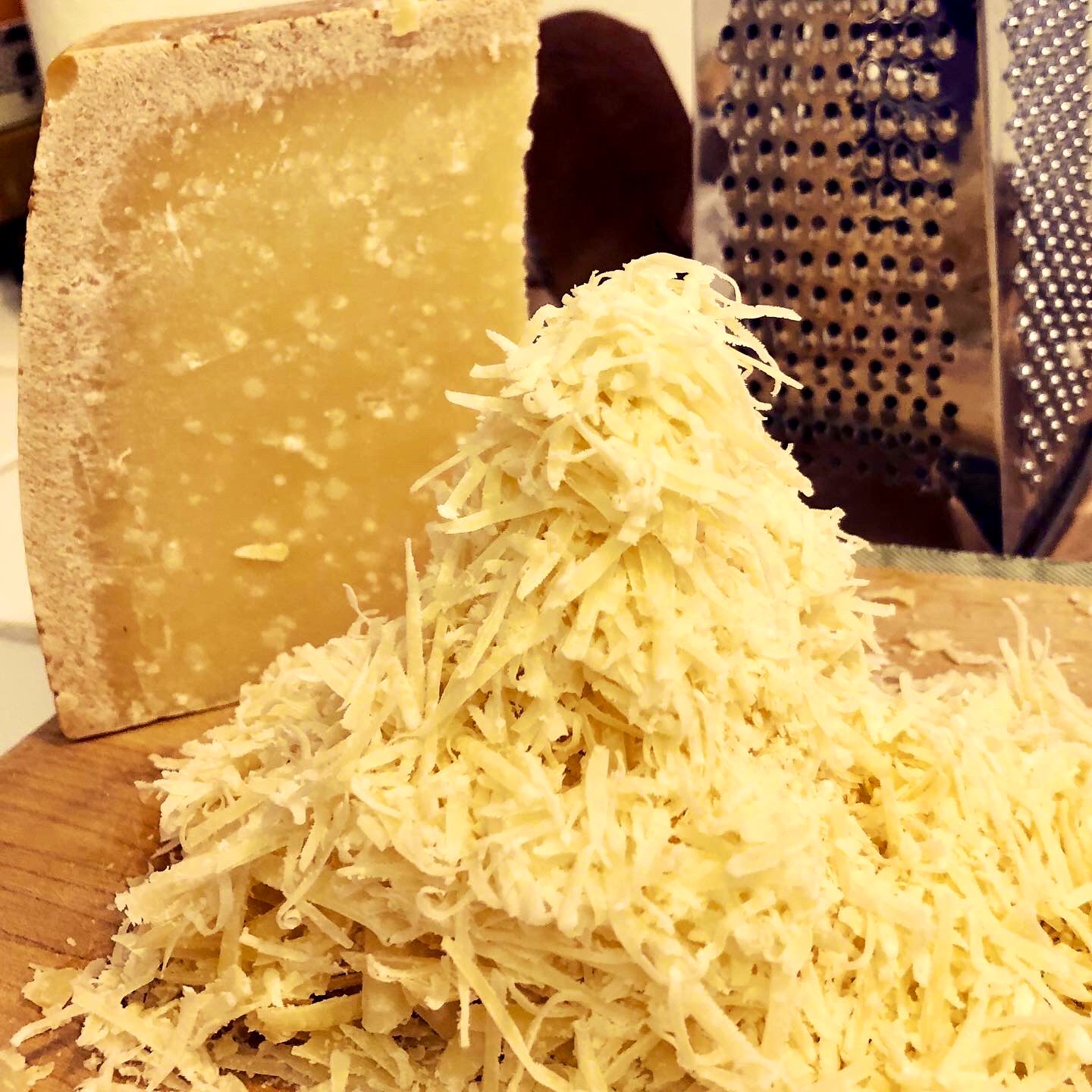
Your cheese should be grated Parmigiano-Reggiano cheese — the most expensive you can afford. You should grate it fresh on a box grater, on the smallest setting. (No microplaning! A Microplane cheese grater is great for some purposes — like grating cheese for melting —  but its wispy strands make cheese taste like air, denuding it of all pungency. If you microplane your cheese, you might as well go get a chicken Caesar at Applebee’s. Okay, not really, but there IS a taste difference, so get a good, old-fashioned box grater.)

Image(All dressed up and ready to dance on your tongue)
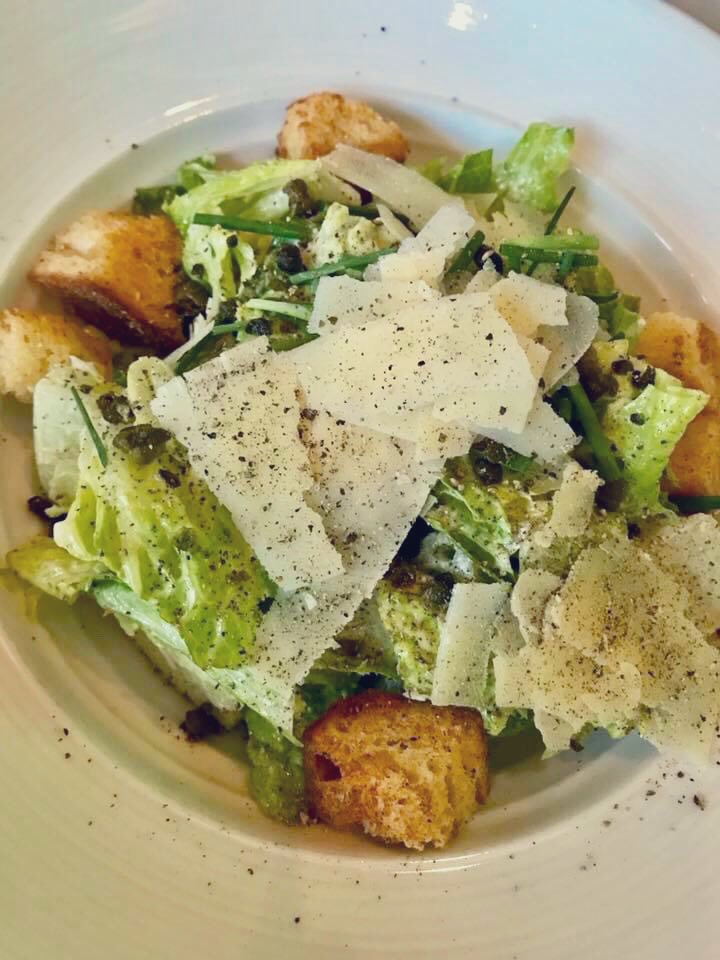
For variety and a little flair, you can also grate your cheese into shards or shingles to dress the top of the salad…because no one, ever, has complained that there was too much Parmesan cheese in a Caesar salad.

Step 5: Dressing Up

Image(Sublime)

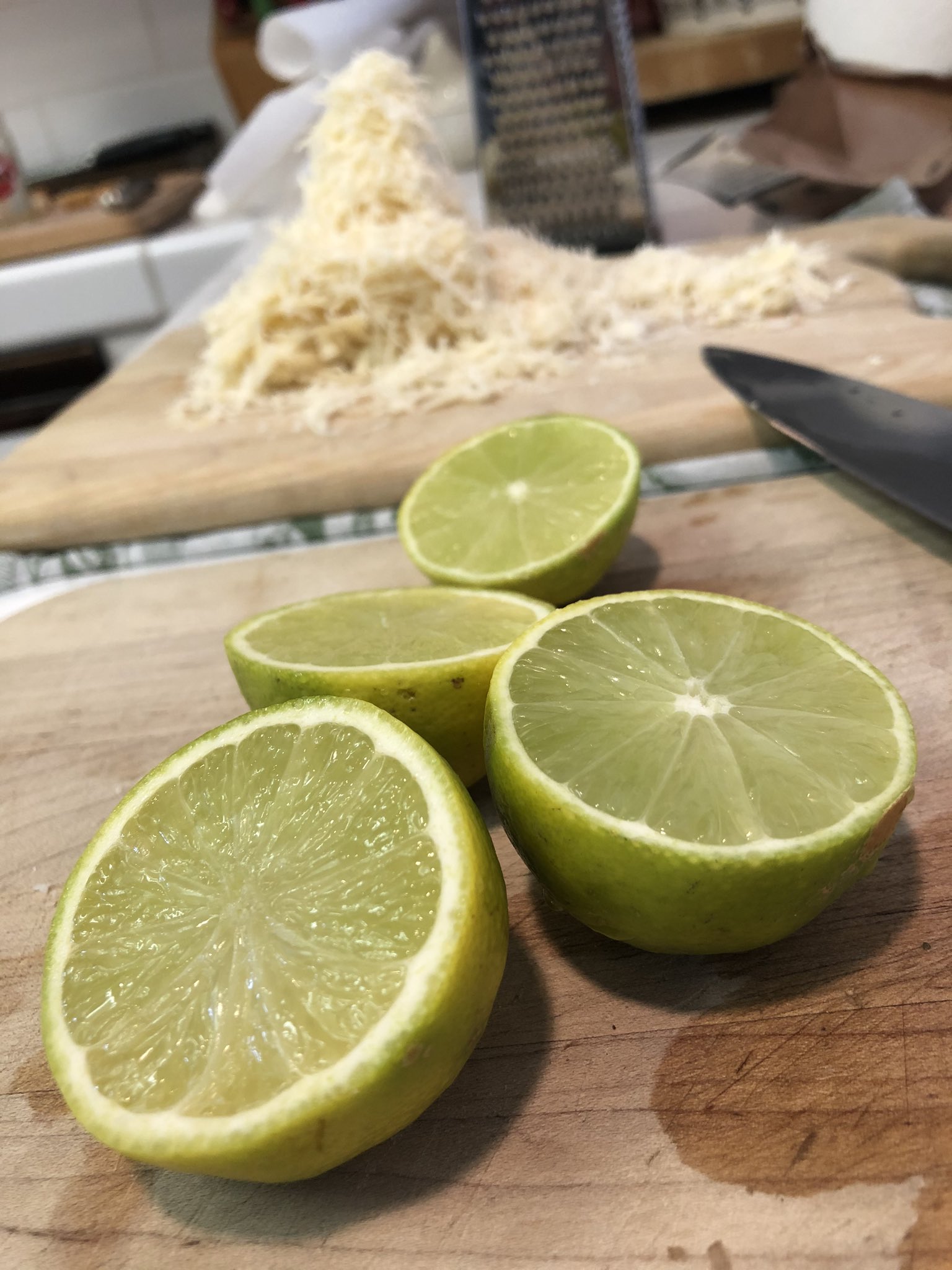
Limes not lemons. But lemons are fine. Great Caesars have pungency and citric bite. Do not skimp on the juice but don’t overdo it. Two juicy fruits should do for a salad for four, but have one in reserve just in case.

Mustard may be used at Caesar’s in Tijuana, but it’s another restaurant shortcut and a no-no . No recipe claiming to be the “original” lists it; it ruins the delicate balance of cheese, oil, acid and pepper, so don’t even think of it. Restaurants use it to ease the emulsion. The same ones who don’t like to tear their lettuce leaves.

Coddle two eggs. Some pugnacious purists claim they should be raw, but any home cook worth their salt knows a short, hot bath makes the yolks stickier, and stickier is what you seek.

Have a bottle of good old Lea & Perrins Worcestershire sauce at hand. A good healthy tablespoon-full adds immensely to the umami.

Be ready to grind on a butt-load of black pepper. And a few sprinkles of salt.

Step 6: Getting Your Salad Tossed

Image(Old Parm is the best Parm, but precious)
Now the fun starts. It’s easier than you think, but attention must be paid.

None of that bottom-of-the-bowl mixing shit here. What you seek is a layering of oil, eggs, juice, cheese and Worcestershire into an ethereal emulsion on the leaves themselves.

Making a big show of creating the dressing in the bottom of the bowl misses the whole point. Only through careful tossing of first the olive oil (to coat the leaves), then the egg (which thickens on the leaves with the oil), followed by the tang of citrus mixing with both of them, the Worcestershire adding a lagniappe of sweet-sour, topped off with top-shelf cheese and pepper sticking to the whole shebang.

It all comes together as you toss each individual ingredient upon the other. And toss you will for a full 30 seconds or so after each addition. The croutons can be thrown in before, during or after all the mixing starts, according to taste. When the cheese hits the thickly coated leaves, something magical takes place….and you can take a bow.

Once these techniques are mastered, never again will you be satisfied with a sub-par Caesar. For all but your salad, you will come to bury not to praise them. For, bear with me, this is an honorable Caesar; you all did love it once, not without cause, and my heart is in the coffin there with what restaurants have done to poor Caesar, and I must make my own till they come back to me.

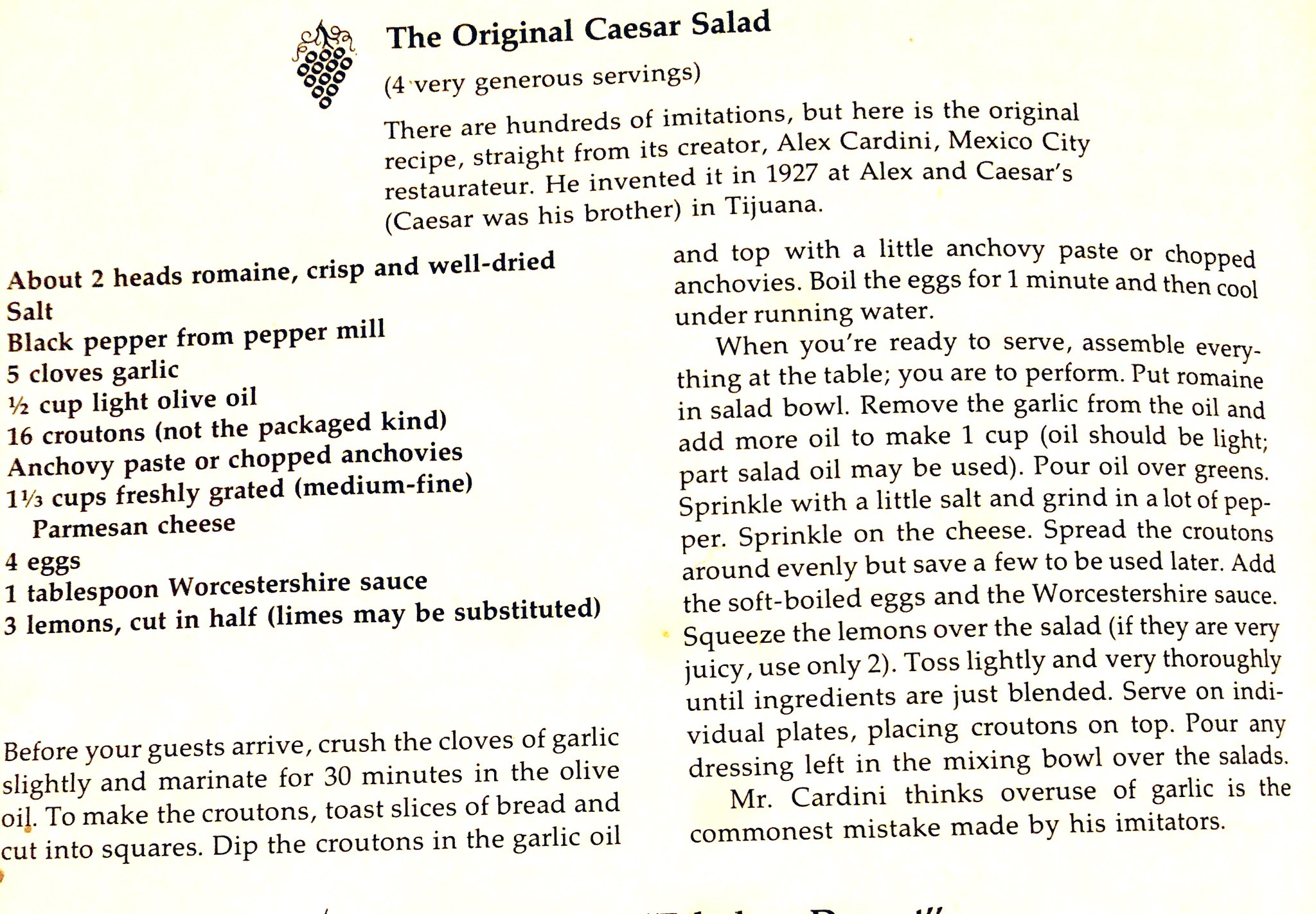
Here is the recipe that started our Caesar salad quest 43 years ago. It’s a bit heavy on the garlic and the eggs (4 eggs for two heads of Romaine is absurd), and a bit light on the croutons, but the bones of a great one are in there:

Image